
When there’s next to no coolant or antifreeze in your car’s system, or it has changed its color to dark brown, it certainly needs replacement to avoid any further problems with overheating. So, let’s get into things and find out how you can put the antifreeze in your vehicle without any complications.
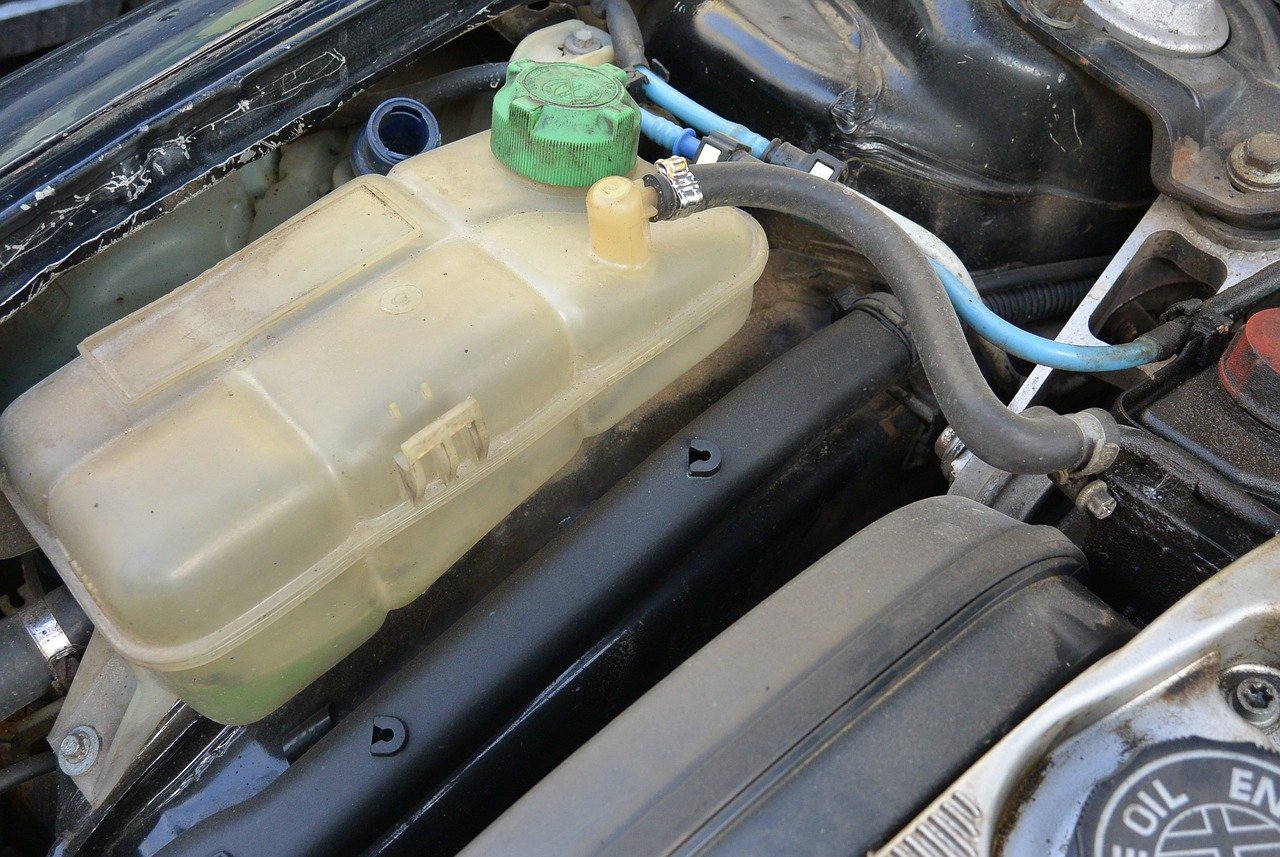
As the name suggests, the main property of this liquid is the ability not to freeze or, to be more precise, not to freeze under low temperatures; -40°F for modern liquid coolant and from -76°F to -85°F for vehicles operating under severe cold. There are many ways to reduce the freezing point of water. Most car antifreeze products contain mono ethylene glycol (MEG), a substance from the polyatomic alcohol class. They have a small amount of cheaper and more environmentally friendly agents, like glycerin.
Apart from the main components, antifreeze contains various additives that reduce the negative impact on aluminum alloys, copper, steel, and rubber. Other additives lower the risk of cavitation and improve heat extraction from hot parts. The most advanced ones help locate antifreeze leaks by making it glow in the ultraviolet.
You top up all vehicles by locating the radiator and removing the cap with the “Engine coolant” label. So, once the engine is running and is warmed up, recheck the antifreeze level and add more liquid coolant until MAX into the reservoir. Do it slowly and carefully, and you will avoid the formation of air pockets.
It would be good to hang a tag with the antifreeze’s name and due date so that next time you don't have to guess by its color which canister to buy in the store.
Types of antifreeze differ from each other not in color but in other, much more critical properties and are divided into four groups:
It depends on the type of coolant, as well as the car manufacturer’s recommendations. Usually, they expect car owners to use the antifreeze given in the owner's manual, i.e., the one for which the engine’s cooling system is designed.
When appropriately used, antifreeze should be changed every one or two years. Or immediately if the fluid in the expansion chamber has become brownish-rust, indicating engine corrosion.
Hybrid antifreeze is more durable; usually, you should top up every three to four years. Carboxylate antifreeze lasts even longer, for five years or more, if your vehicle's service life allows it.
The lobrid antifreeze is the longest-lasting one. Some carmakers even claim that it doesn’t need to be changed until the engine reaches the end of its service life.
Generally, it’s not that difficult to change your antifreeze or top-up from time to time. Just check out the car manual, or if you’re knowledgeable about your vehicle, pick the correct antifreeze from the get-go and simply pour it into the reservoir. Also, don’t forget to check the fluid itself from time to time to make sure it’s not dirty and can be used for engine cooling.


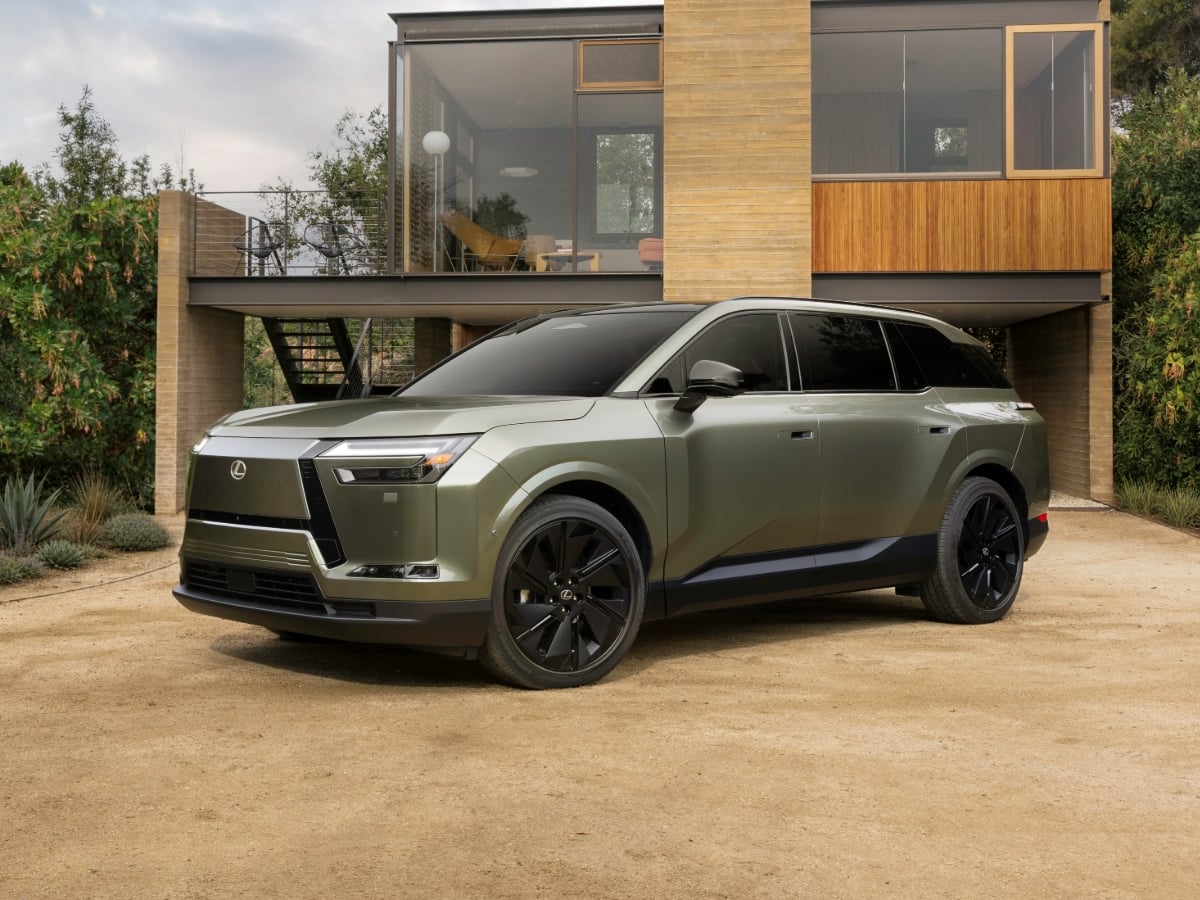
With the 2027 Lexus TZ, Toyota Motor’s luxury division introduces its first three-row all-electric SUV, featuring a lounge-inspired interior, an enhanced all-wheel drive (AWD) system, and up to 300 ...See More
Read the Full Article
With the all-new 2027 Kia EV3 small crossover SUV, the Korean automaker continues to expand its all-electric lineup while keeping prices accessible.
Read the Full Article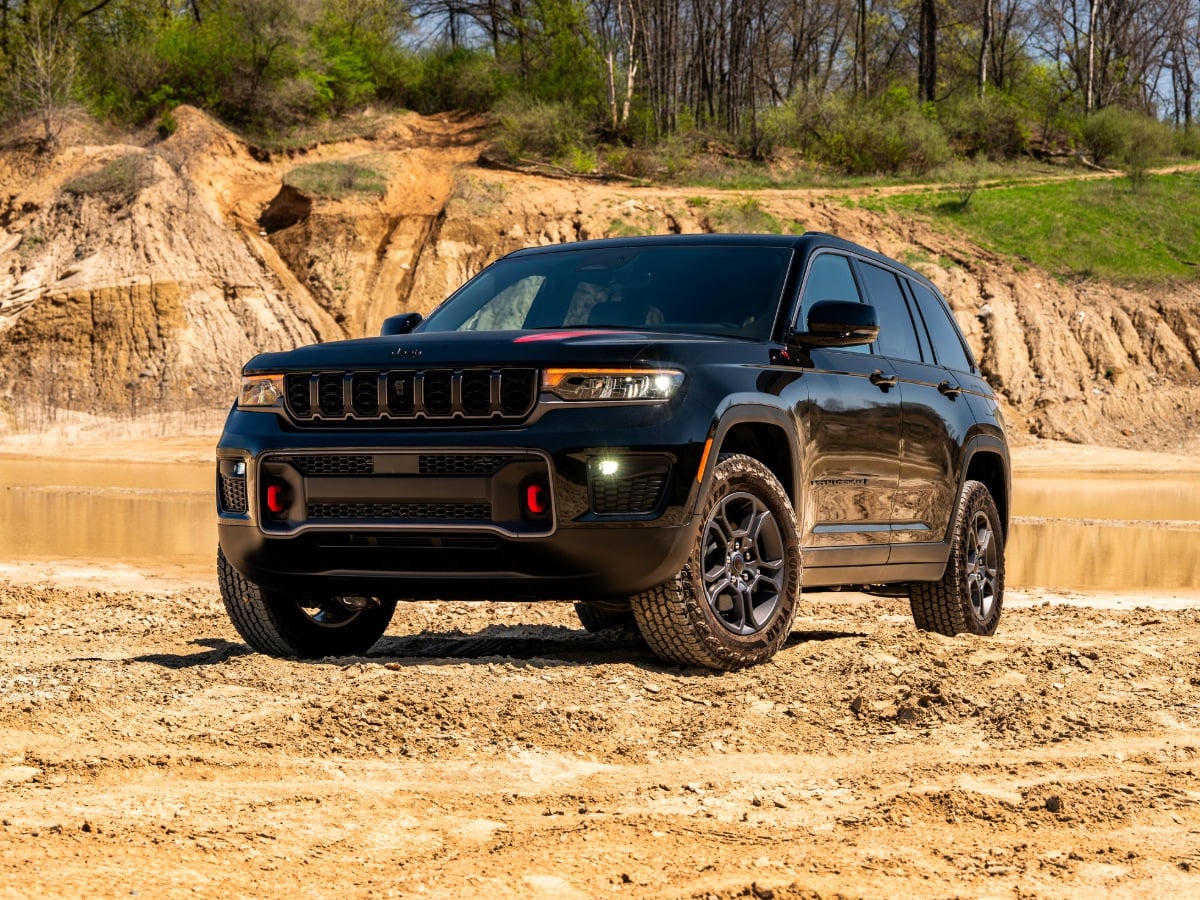
Following a refresh for the 2026 model year, the 2027 Jeep Grand Cherokee lineup brings back two familiar variants, the go-anywhere Trailhawk and the premium-yet-capable Overland, offering buyers ...See More
Read the Full Article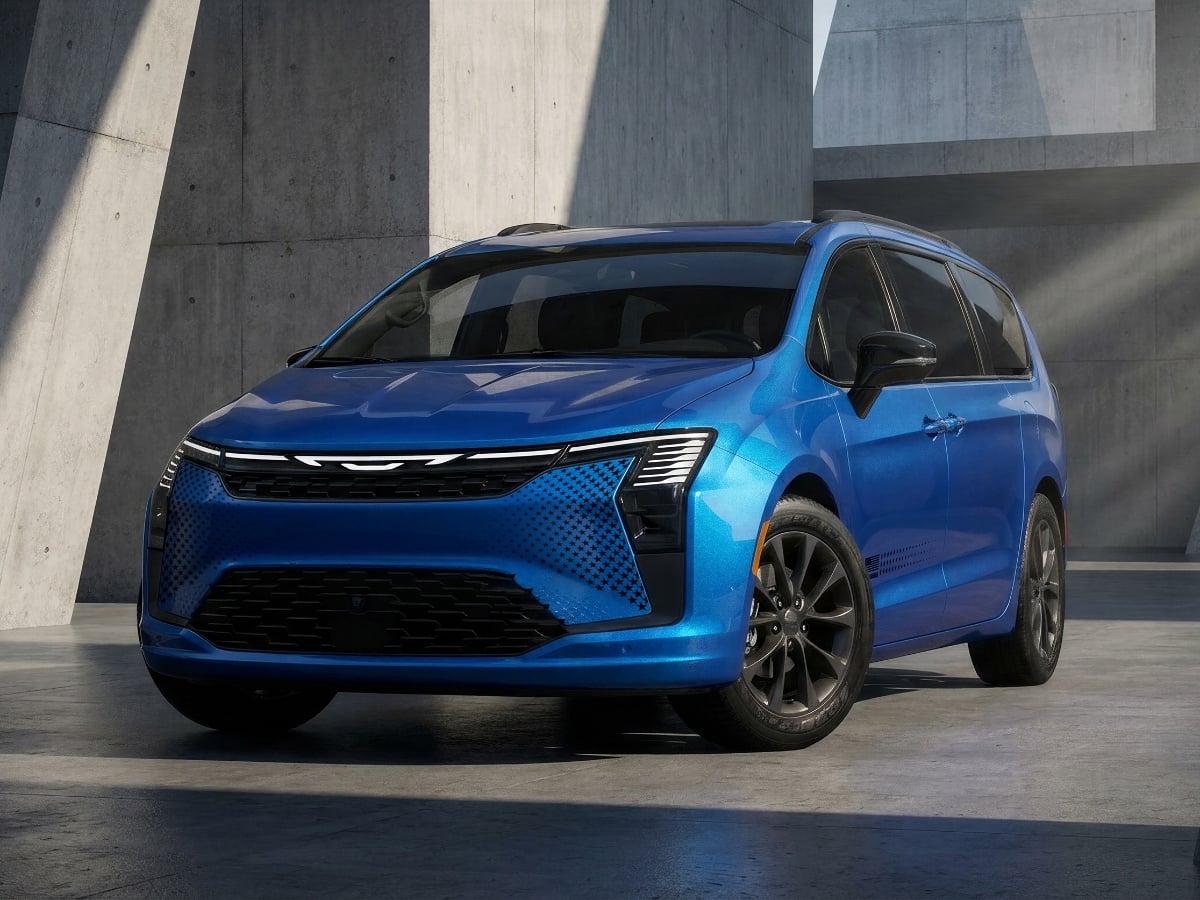
Chrysler, the company that launched the modern minivan segment in 1984, is giving its popular 2027 Chrysler Pacifica a nose job and introducing a special edition commemorating America’s 250th ...See More
Read the Full Article