
Every now and then, certain circumstances may require you to store your vehicle for an extended period. Whether it's for winter seasons, long vacations, temporary relocation, or military deployment, preparing your car for long-term storage is crucial for ensuring its longevity and good condition. Here are the essential steps to follow:

A clean and dry garage or storage facility is necessary for long-term storage to prevent rusting, which can occur when the vehicle is exposed to moisture or damp air. An unclean garage can also attract rodents that could chew on the seats and electrical parts. Ensure the garage is well-ventilated to prevent the seats from drying and cracking. If you live in a cold climate, consider a temperature-controlled facility to keep the vehicle and its components above freezing point.
Leaving the fuel tank empty for an extended period can cause rust and corrosion due to air and moisture entering the tank and making the seals dry out. To prevent this, fill the tank to the top and add a fuel stabilizer to enhance rust prevention and keep the fuel from deteriorating.
Changing the engine oil is an important step that should not be skipped when preparing your vehicle for storage. Used oil contains acidic molecules, moisture, and contaminants that can corrode the engine and its bearings if left for an extended period.
In addition to changing the oil, it's crucial to top up all the fluids in the vehicle, including the coolant, power steering, transmission, and brake fluids, to their recommended levels. After topping up the fluids, check the vehicle for leaks from the engine, transmission, and brake lines and have them repaired if necessary.
When a vehicle is left unused for an extended period, the battery can drain, which will require reconditioning. To prevent this, charge the battery to full before storage and consider investing in a battery tender or trickle charger to keep the battery charged. Alternatively, you can disconnect the battery terminals to prevent draining while the vehicle is in storage.
It's crucial to clean the vehicle thoroughly before storing it for an extended period. Dirt and debris picked up from road surfaces can stain the paint job, and asphalt and grease can become permanently embedded. Waxing the car can help prevent corrosion and serve as added protection.
Vacuum the interior and clean it thoroughly to get rid of anything perishable that could attract rodents or cause odors. If possible, use a leather or vinyl conditioner to protect the seats from drying and cracking, and place silica gel packs inside the car to prevent mold.
Lubricate the door, hood, and trunk hinges and latches to prevent them from freezing shut or rusting. Use silicon spray or graphite-based lubricants for the latches and spray the rubber portions of the doors with silicon or white lithium grease to prevent them from freezing shut.
Wiper blades can get stuck to the windshield, especially when the vehicle is stored in a place with cold weather. To prevent this, wrap the wiper blades with plastic.
When a vehicle is parked for an extended period, its weight can cause flat spots and tire deformation, which could require tire replacement. To prevent this, park the vehicle on jack stands at all four corners, and inflate the tires to the recommended pressure.
The brake pads and rotors may fuse when the parking brake is engaged for an extended period of time. This can make it difficult to release the parking brake after long-term storage. To prevent this, instead of engaging the parking brake, use wheel wedges or stoppers to secure the vehicle and prevent it from rolling.
To protect your vehicle from rodents, seal any potential entry points. This includes plugging the exhaust pipe and air intakes with a rag or aluminum foil. Additionally, to deter rodents, it is recommended to place cotton balls saturated with peppermint oil in the corners of the garage or around the vehicle.
Covering the entire body of your car helps to prevent moisture and other atmospheric particles from settling on the surface, which reduces the risk of rust and damage from wildlife. It is important to use a breathable car cover that fully envelops the vehicle. Avoid using sheets or plastic tarps as they do not allow for proper ventilation.
Preparing your vehicle before storage is an effective way to reduce the effort and cost involved in reconditioning the vehicle after storage. Following the recommended steps outlined in this article will help protect and preserve the performance and drivability of your vehicle while it is in storage.



The new 2027 BMW i3 boasts an estimated range of up to 440 miles, 400-kilowatt DC fast charging capability, bidirectional charging to a home or the grid, and next-generation technology.
Read the Full Article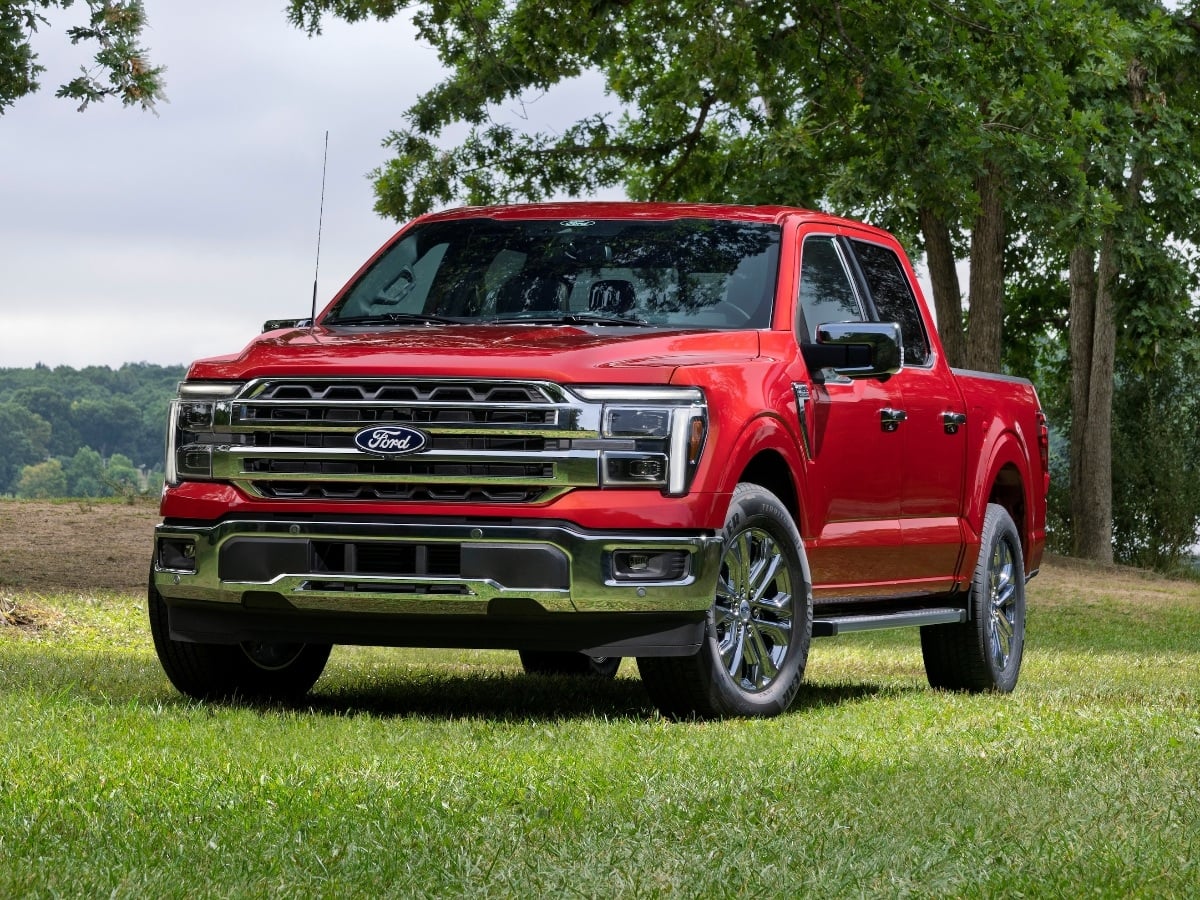
Facing renewed competition in the full-size, light duty pickup truck segment, the 2027 Ford F-150 receives subtle styling updates, a new standard engine, broader availability of its 5.0-liter V8, and ...See More
Read the Full Article
The 2027 Civic Type R goes on sale in October 2026, and it starts at $49,990, including the $1,295 destination charge.
Read the Full Article
Part of BMW’s Neue Klasse (new class) rollout of redesigned models, the 2027 BMW 3 Series is all-new and goes on sale in the first quarter of 2027.
Read the Full Article