
Most newer cars and trucks come with a backup camera already installed. That’s great news for anyone with a newer vehicle. But pickups are reliable vehicles, and there are plenty of older ones driving around without a camera.
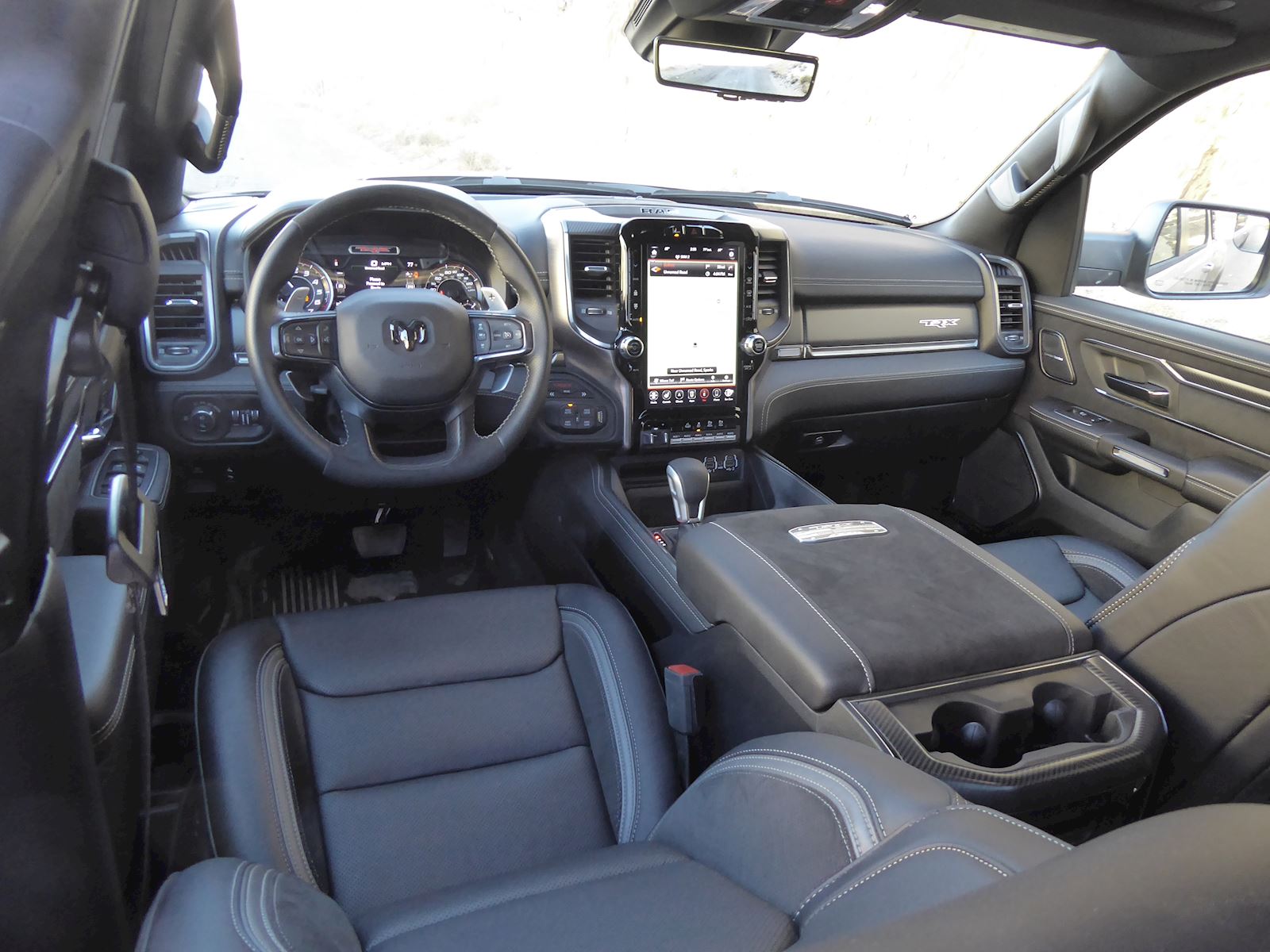
Thankfully, you don’t have to buy a brand new truck to find one with a backup camera. An aftermarket kit makes it quick and painless to install your own. Here’s how.
There are numerous features to consider when choosing a parking camera. For our purposes, let’s stick to the factors that directly affect installation. The most important of these is how the camera is mounted.
There are several ways to mount a rearview camera, but these are the most common:
The other installation-related factor to consider is whether the camera is wired or wireless. There are distinct benefits and drawbacks to each, so let’s take a deeper dive.
The main benefit of a wired camera is that they typically offer better picture quality. As good as wireless technology has gotten, it still can’t beat a good old fashioned twisted copper wire.
Another good reason to choose a wired camera is that the connection is more stable, whereas wireless cameras can produce static when subjected to interference. Murphy’s Law being what it is, you’re bound to lose your wireless signal just as you throw your truck into reverse.
Finally, wired cameras usually offer more features. Simply put, the technology has been around for a lot longer, and manufacturers are more comfortable with it. Because of this, most high-end cameras have a wired design.
That said, wired parking camera installation can be challenging. If you’re not comfortable with running wires through your truck, you’ll need to hire a professional to do the job for you. This shouldn’t be absurdly expensive, but an hour or two of skilled labor should be factored into the price.
Similarly, the cameras themselves are often more expensive than wireless cameras, mostly due to the quality differential. But it’s worth remembering if the cost is a major concern.
Conversely, the main benefit of a wireless rearview camera is that they’re easy to install. Because you don’t have to run any wires, a lot of the headache is removed from the equation.
Keep in mind that the mounting type is just as important from this perspective. A wired camera with a license plate mount is not much more challenging to install than a wireless camera with a mounting bracket.
Wireless cameras are also more affordable. This isn’t a universal rule, and there’s quite a bit of overlap. But on an apples-to-apples basis, a wireless camera usually costs less.
On the downside, wireless backup cameras are typically lower quality and are subject to interference. Depending on the design, you may also need to change a battery from time to time.
Now that you know what you’re looking at, let’s break down the installation process into smaller pieces. Here’s a quick, step-by-step guide to installing your backup camera.
As you can see, installing a truck backup camera isn’t as difficult as you might expect. If you like what you learned, read more of this site! It’s got plenty of helpful guides, just like this one.



The new 2027 BMW i3 boasts an estimated range of up to 440 miles, 400-kilowatt DC fast charging capability, bidirectional charging to a home or the grid, and next-generation technology.
Read the Full Article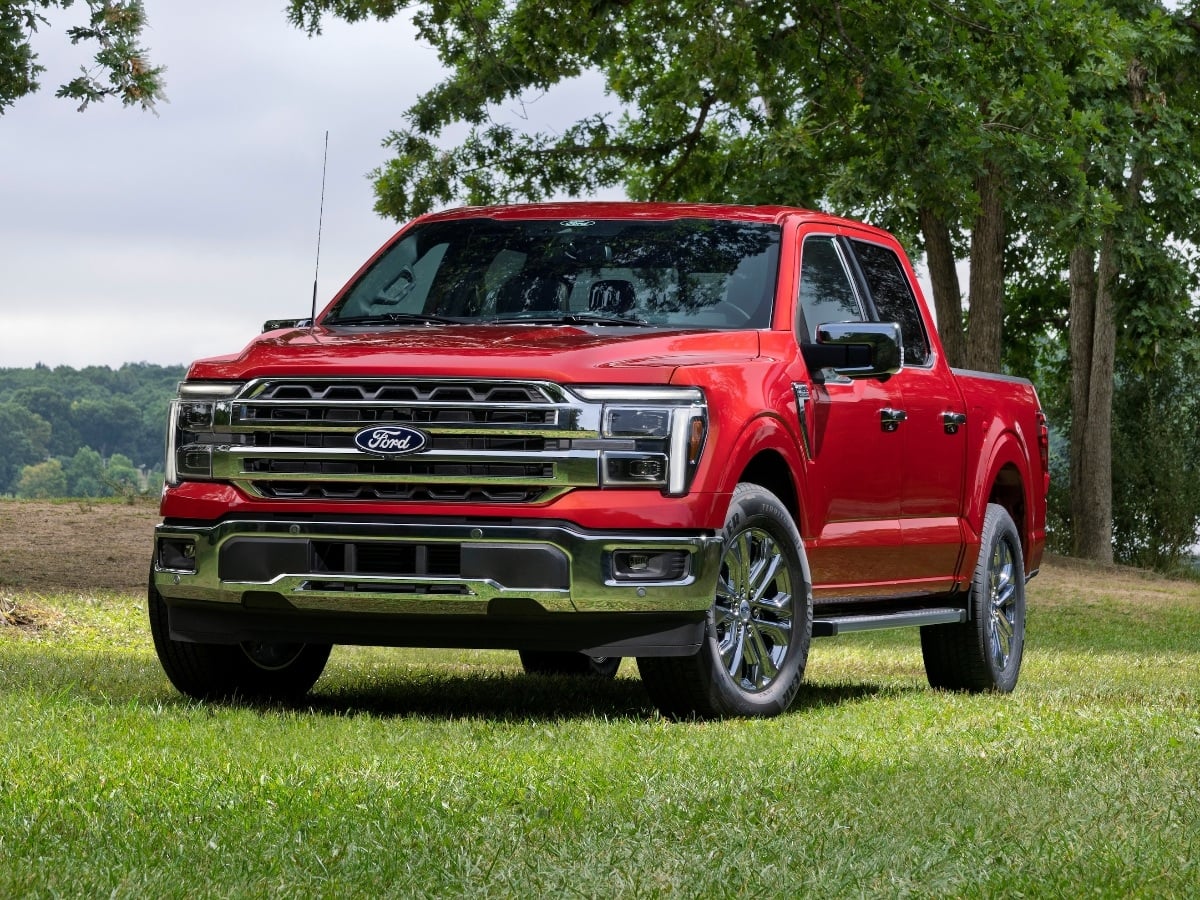
Facing renewed competition in the full-size, light duty pickup truck segment, the 2027 Ford F-150 receives subtle styling updates, a new standard engine, broader availability of its 5.0-liter V8, and ...See More
Read the Full Article
The 2027 Civic Type R goes on sale in October 2026, and it starts at $49,990, including the $1,295 destination charge.
Read the Full Article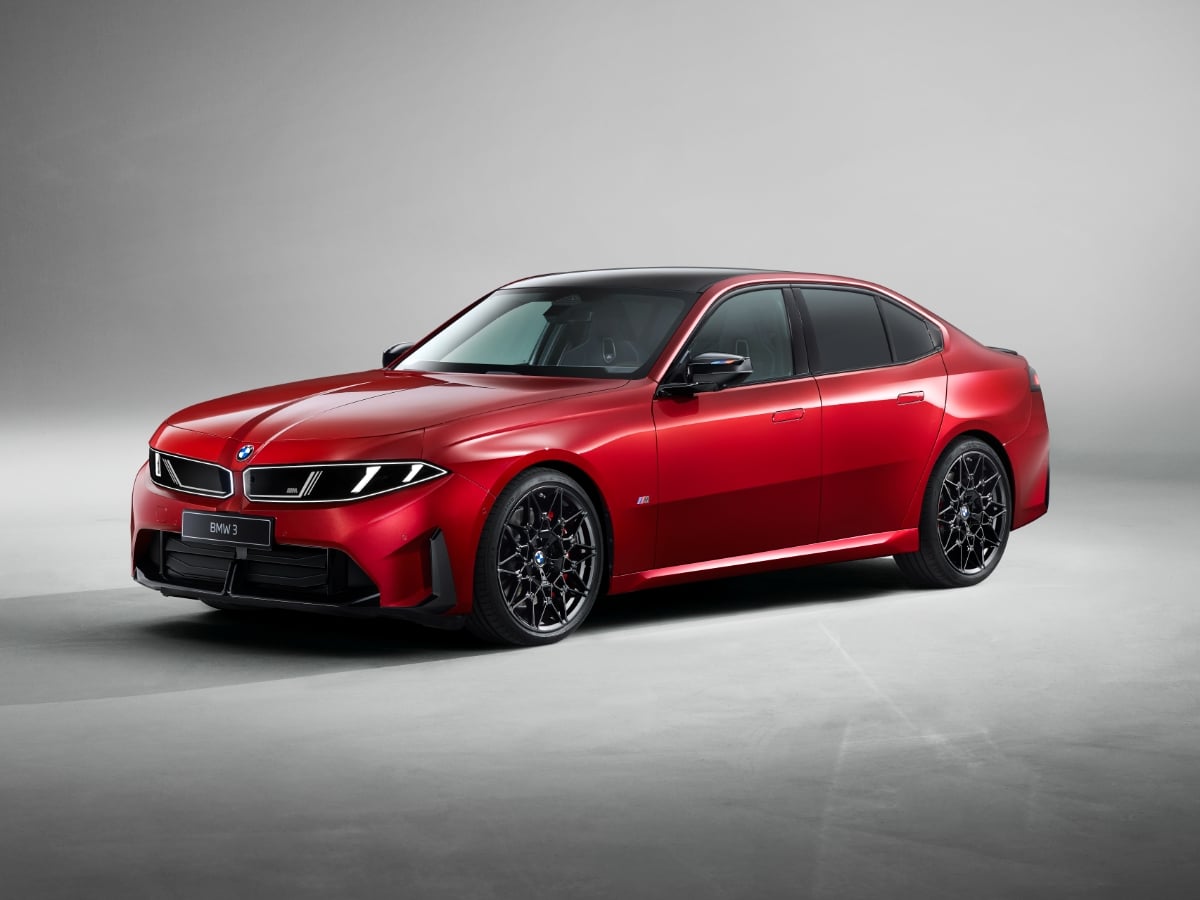
Part of BMW’s Neue Klasse (new class) rollout of redesigned models, the 2027 BMW 3 Series is all-new and goes on sale in the first quarter of 2027.
Read the Full Article