
Getting the right car insurance before you buy your vehicle is one of the smartest things you can do for yourself and your new car. It can save you a lot of money and frustration too. This article helps you make sense of the process of getting car insurance before buying a vehicle.

Car insurance is a type of insurance that covers the financial loss incurred by an automobile owner in the event of a collision or theft. Car owners in 49 out of 50 states must secure car insurance to operate a vehicle. As of 2024, New Hampshire is the only remaining state without a car insurance requirement. Thus, acquiring car insurance is an obligation for almost every American driver.
Since car insurance is mandatory in most states, it is illegal to drive out of the dealership without it. Plus, if you do incur damages while operating a vehicle without insurance, you have to pay for repairs out of pocket, which is a hefty expenditure.
That's why it's best to get an active policy in place from the get-go, and there are multiple types to choose from.
Before you select an insurance policy, you need to understand the various coverages available. There are six main types, and they all cover different things.
Personal Injury Protection or PIP coverage pays for medical expenses related to your injuries if you get involved in an accident. It also covers lost wages or income, which can be used when you cannot work because of an injury. PIP coverage, or no-fault insurance, requires the driver to file a claim with their insurance, irrespective of who is at fault in the accident. This insurance policy is available in twelve no-fault states: Florida, Hawaii, Kansas, Kentucky, Massachusetts, Michigan, Minnesota, New Jersey, New York, North Dakota, Pennsylvania, and Utah . Therefore, if you live in any of these states and are in an accident, even if the other party caused the accident, you still file a claim with your insurance to receive the correct coverage.
Medical payment coverage is a type of car insurance that pays for your medical expenses in case you get injured in an accident. It covers the cost of your treatment, including physical therapy and rehabilitation following an injury.
Comprehensive insurance is a type of car insurance that covers damages to your vehicle from events other than accidents. It covers theft, vandalism, fire, and weather-related incidents like floods, hail, and fallen branches. Although typically optional coverage, some lenders require it for leased or financed vehicles.
This type of insurance is critical if you live in an area prone to storms or hurricanes. For instance, if a tree limb falls on your windshield or your vehicle is submerged in water during a flood and no longer operable, this insurance covers the repair or replacement after the deductible.
Collision insurance is a type of car insurance that covers damage to your vehicle caused by an accident in which you were at fault. Similar to comprehensive insurance, collision insurance is usually optional unless required by a lender. There are usually three types of collision coverage: limited, standard, and broad form.
Liability insurance is a type of car insurance that covers damages or injuries to people or property that are caused by your vehicle. It also pays for legal costs related to any lawsuits filed against you due to an accident. This type of coverage is mandatory in 49 out of 50 states. New Hampshire’s car insurance law makes an exception for drivers who can show proof of funds to meet the state’s Motor Vehicle Financial Responsibility Requirement of $100,000 per vehicle.
Uninsured and underinsured motorist coverage is a type of car insurance that protects you if you’re hit by a driver who doesn’t have any car insurance or enough coverage to pay for all damages incurred.
The documents needed to get car insurance vary by state, but here are a few things you need to have:
Before purchasing car insurance, you should compare various policies and what they offer to find a deal that best suits your budget and needs. Here’s the process for getting insurance before buying a car:
Besides purchasing an entirely new policy, you may decide to transfer an existing policy to your new vehicle – especially when trading a vehicle in. Regardless, it is advisable to shop around different competitors to choose the right value. To start the transfer process, request a quote for your new vehicle from your current insurance provider in addition to requesting quotes from other companies.
If you choose to transfer insurance, notify the insurance company, submit payment, and request confirmation of coverage to serve as digital proof while awaiting the insurance card. You should fully complete the process before purchasing the new vehicle to avoid a lapse in coverage.
One thing to keep in mind is your state’s auto insurance requirements. Each state has its own policies which will dictate which auto insurance policy makes the most sense for you. For instance, for bodily injury liability, Louisiana requires a coverage minimum of $15,000 per person and $30,000 per accident, while Maine requires a minimum of $50,000 per person and $100,000 per accident. Minimum personal injury protection for Massachusetts is $8,000, but for Michigan, it is $250,000.
Jurisdiction-based insurance requirements are also demonstrated in the differing penalties enforced for operating a vehicle without insurance. Fines for driving without proof of insurance vary from $20 in Missouri to $1,500 in Delaware, while other penalties include suspension of license and registration.
When you get car insurance, you protect yourself against the unexpected. You’re also protecting the people in your car and covering damages others incur in case of an accident.
By getting the right coverage, you ensure you’re ready for any problem you might encounter on the road. After all, the last thing you want is to be in an accident and find out that your insurance doesn't cover it.
It is possible to secure insurance before buying a car. Follow the steps above to find a policy that is suitable for your needs while satisfying your state’s insurance requirements.
Matt Yantakosol is a lifelong automotive enthusiast and former consultant focused on the consumer aspect of the industry. He has traveled to New York, Detroit, Chicago, L.A., Paris, Geneva, Frankfurt, and Tokyo Auto Shows to track and observe the newest industry innovations. In addition to JDPower.com, Matt's writing has appeared on Pcarmarket.com.


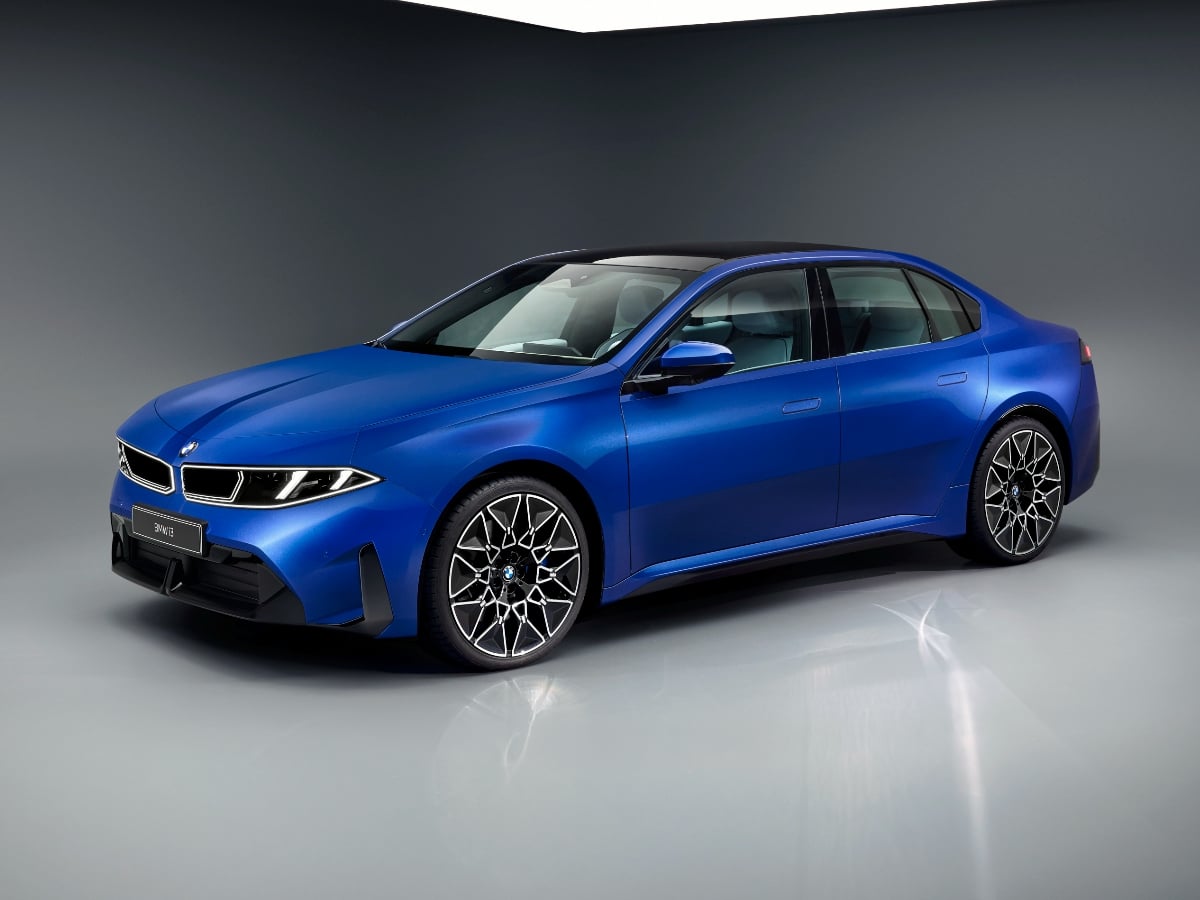
The new 2027 BMW i3 boasts an estimated range of up to 440 miles, 400-kilowatt DC fast charging capability, bidirectional charging to a home or the grid, and next-generation technology.
Read the Full Article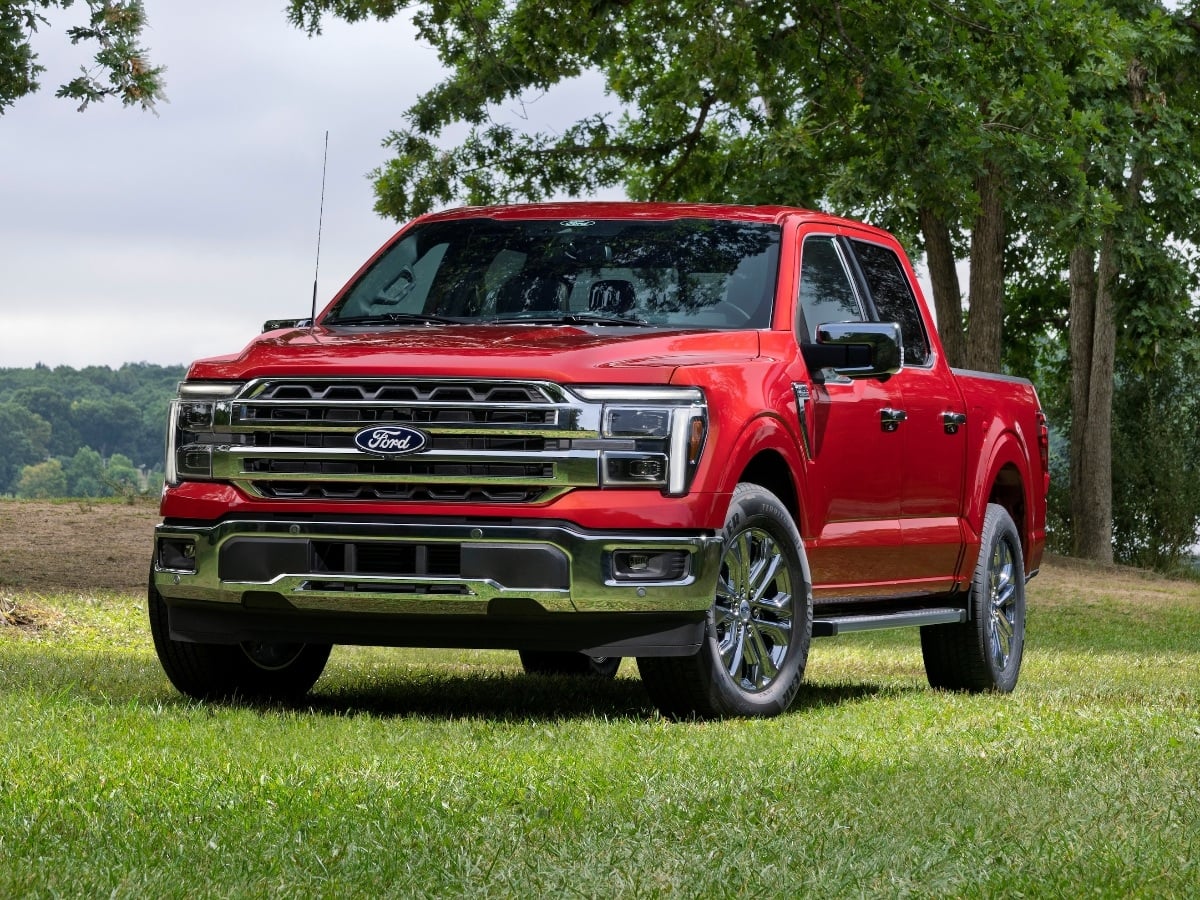
Facing renewed competition in the full-size, light duty pickup truck segment, the 2027 Ford F-150 receives subtle styling updates, a new standard engine, broader availability of its 5.0-liter V8, and ...See More
Read the Full Article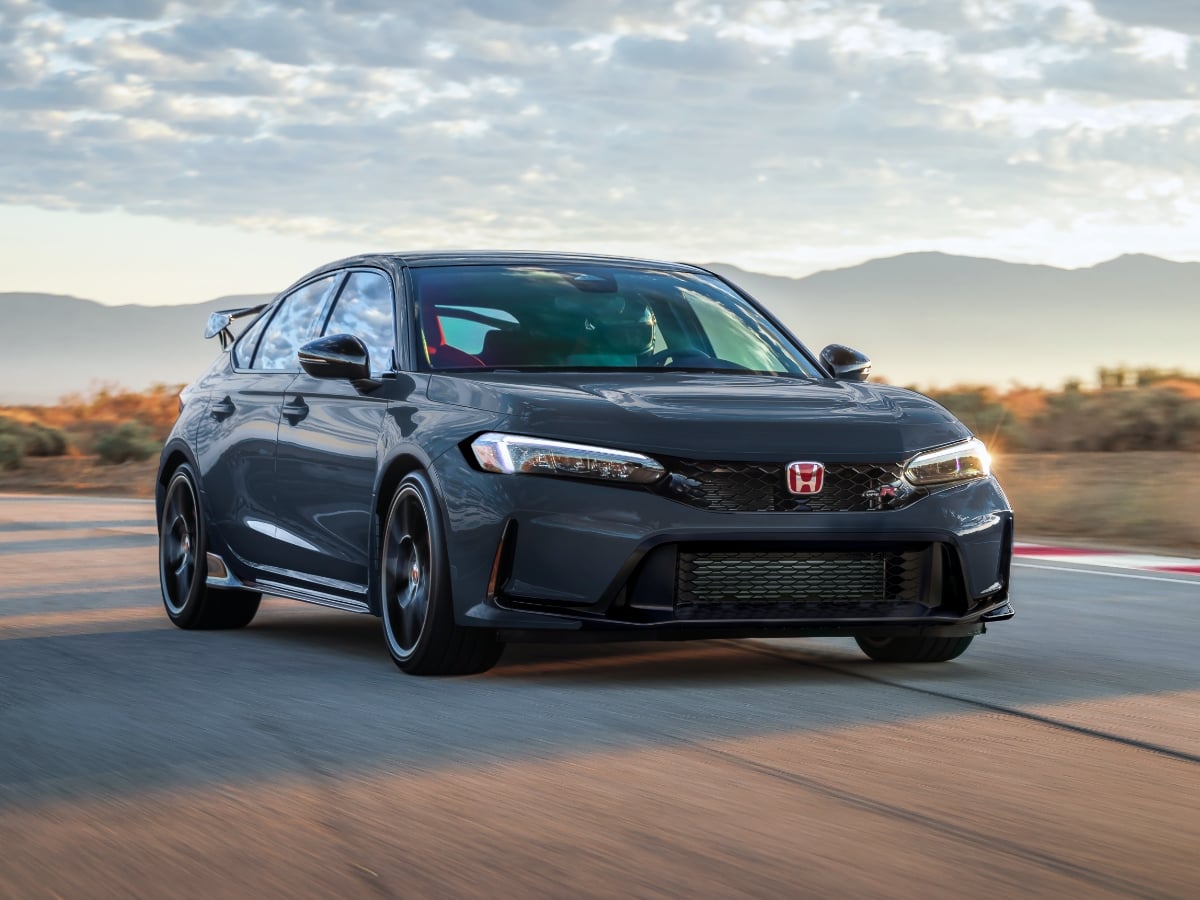
The 2027 Civic Type R goes on sale in October 2026, and it starts at $49,990, including the $1,295 destination charge.
Read the Full Article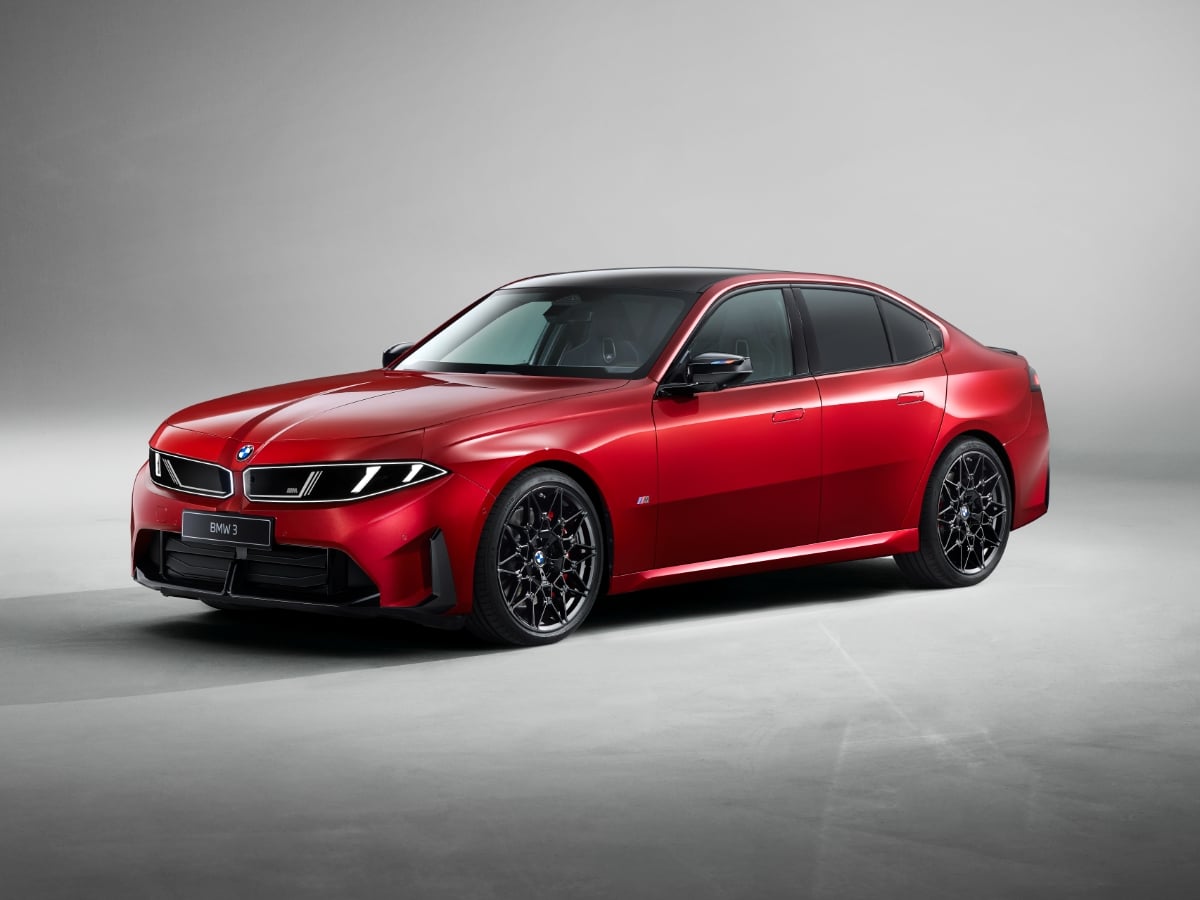
Part of BMW’s Neue Klasse (new class) rollout of redesigned models, the 2027 BMW 3 Series is all-new and goes on sale in the first quarter of 2027.
Read the Full Article