
About 76,000 vehicles are impounded across the United States every day for various reasons. These include parking or traffic violations, unpaid fees, expired insurance, or a DUI offense.

When a vehicle is impounded, the owner usually faces a detailed recovery process, often requiring specific documentation. Follow this guide to understand why a car can be towed and impounded and what steps to follow to reclaim an impounded vehicle.
In most situations, the local police department or a towing agency working for a local government agency is responsible for towing vehicles. The primary reasons local authorities tow cars away include:
Depending on local laws and the nature of the violation, the vehicle owner may or may not receive advance notice before towing and impoundment. Review city ordinances, county laws, and other local regulations to understand local rules on impoundment and towing.
After taking a vehicle away, the towing company or local law enforcement agency may attempt to contact drivers or send them an impound notice. In cases where the vehicle was towed due to a parking violation or breaking a city ordinance, these agencies may also have left a ticket or notice at the parking spot.
Regardless of whether prior notice is available, owners who suspect their car or truck has been impounded should follow these steps:
If the vehicle was impounded due to a parking or ordinance violation, local law enforcement may have towed it away. In this case, the recommended first step is to call the non-emergency police number and inquire about it.
Most police departments will disclose whether they hold vehicles with a specific license plate or vehicle identification number (VIN) at their impound. If a city-operated or private towing company moved the vehicle, the owner may be able to locate it by contacting the local parking authority instead.
After locating it, the owner should ask the impounding entity for the vehicle’s release terms and conditions. In most circumstances, the police or towing company should explain the following:
Usually, drivers must visit the local police department or towing agency office in person with the correct documentation before they can access the vehicle. Most jurisdictions require a driver’s license and valid insurance documentation to prove vehicle ownership.
When the vehicle is ready for release, the owner may visit the impounding authority to retrieve it. The release process involves the following steps:
In addition to proving ownership, a driver who wants to retrieve their impounded vehicle must typically show proof of valid and current insurance.
The types of insurance documentation vary between jurisdictions; some may accept electronic paperwork, while others require paper only. Regardless of the format, it must show at least the following:
If the driver does not have a current valid and active insurance policy, or if the vehicle was impounded because it is uninsured, they may need to obtain new insurance. Obtaining new insurance coverage after an impoundment can be more difficult, as the driver may be considered high-risk.
In that case, other options include insurance companies specializing in high-risk drivers or providers offering special, short-term coverage to help drivers legally retrieve their vehicles.
Regardless of the specific reason their vehicle was impounded, affected drivers must act as quickly as possible. In most jurisdictions, every day a vehicle spends in the impound lot corresponds to storage fees the owner will have to pay before retrieval.
When a new or used vehicle is impounded, following a few simple steps can help speed up the process of getting it back and help avoid additional fees.
Corentin’s passion for the automotive world started when he was just seven years old, during a life-changing visit to an auto museum. Now a seasoned writer, Corentin channels that early fascination into every piece he writes, whether he’s exploring the latest car trends or automotive history. But his expertise doesn't end there—he also brings his insights to topics like home improvement, the boating and yachting industry, personal finance tips, and cutting-edge tech.


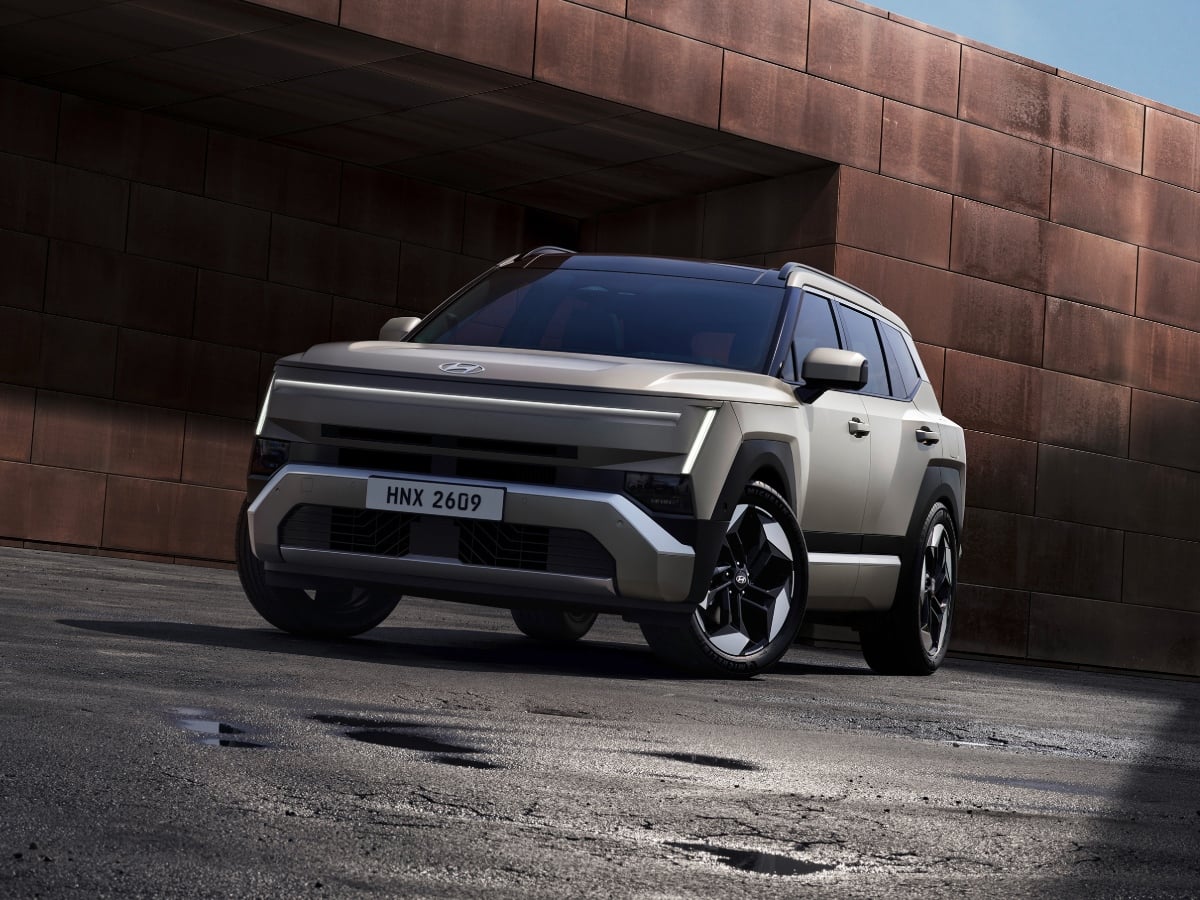
With a purposeful new design and some trail-ready upgrades, the 2027 Hyundai Tucson is pushing the brand's best-selling crossover SUV into more aggressive territory.
Read the Full Article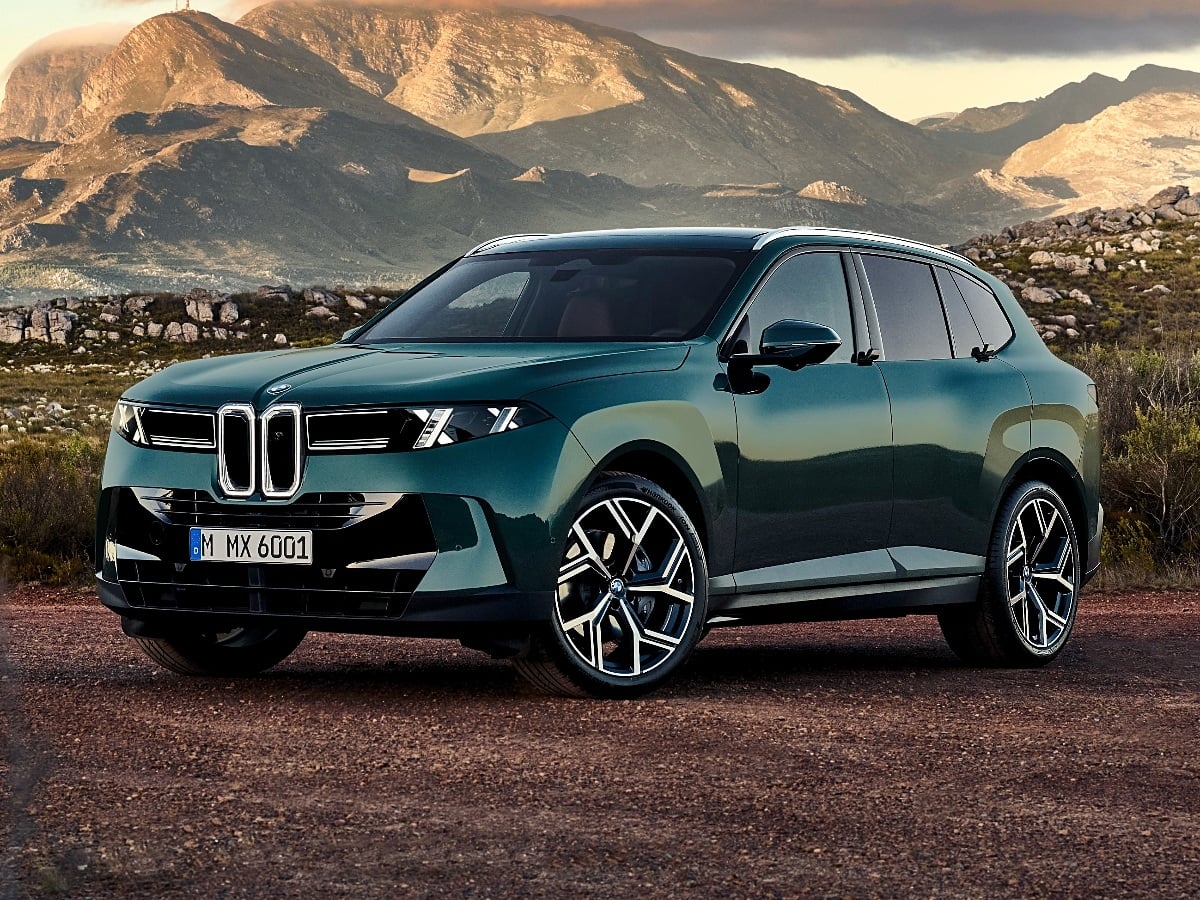
For more than 25 years, the BMW X5 has helped to define the luxury SUV segment. Now, the redesigned fifth-generation 2027 BMW X5 arrives with the automaker’s Neue Klasse styling, a roomier interior, ...See More
Read the Full Article
One of Lexus's most popular models, the NX crossover SUV is also one of the most affordable in the company’s lineup. The 2027 Lexus NX transitions to hybrid-only powertrains, and gets revised ...See More
Read the Full Article
The new 2027 BMW i3 boasts an estimated range of up to 440 miles, 400-kilowatt DC fast charging capability, bidirectional charging to a home or the grid, and next-generation technology.
Read the Full Article