
Most pickup trucks are designed using a variant of the body-on-frame construction. This building method means the truck’s cab and bed are installed on top of a purpose-built frame, giving it the strength and sturdiness to support heavy loads.

Truck frames are constructed from steel and regularly face harsh weather conditions, road salt, humidity, and debris. Although this truck design is more durable than the unibody design typical of most cars—which combines the frame and body into a single chassis—it is also more susceptible to rust due to its greater exposure to the elements.
Over time, rusted truck frames can compromise the vehicle’s safety. Fortunately, the body-on-frame design allows a truck owner to separate the body, expose the frame, and perform repairs and rust prevention. Use these tips to fix and protect a rusted truck frame from further corrosion.
Truck frames are typically constructed from carbon steel alloys. These materials are chosen for their long-term durability, toughness, impact resistance, and overall wear and tear.
However, carbon steel alloys used to build truck frames are among the most vulnerable to rust because of their high iron content and low levels of chromium. Although stainless steel is more naturally resistant to rust and corrosion, it is heavier and generally more expensive, compromising a truck’s average weight and production costs.
While every auto manufacturer applies coatings and rust-protective paint or uses galvanization processes on brand-new truck frames, these protective layers eventually wear off, uncovering the steel underneath. As truck owners continue to drive them, the exposed steel can develop surface rust due to wet weather, humidity, road salt, and general wear and tear.
Like all things vulnerable to rust, corrosion can penetrate and erode the metal if not addressed quickly. Frame parts can crack, develop holes, or flake away, weakening the steel.
The quickest way to determine whether a truck frame has developed rust is to inspect the underside and test any surfaces that appear rusted or corroded. Many professionals use the scrape and tap test to check for rust.
Scrape a small section of the rusty frame using a screwdriver or hammer. Then gently tap the area with the sharp end of the tool to examine how the metal reacts and assess the severity of the damage.
While trucks can appear visually rusty in different ways, most frame rust falls into three general categories: surface, pitting, and structural. Below is a quick breakdown of how a truck’s frame should appear after a scrape and tap test:
If the rust is mainly on the frame’s surface or has minimal pitting, an experienced vehicle owner may be able to remove the rust themselves with the right tools and protective gear.
If the frame’s steel is heavily dented, cracked, or has visible holes, it needs the attention of a professional mechanic. They may recommend welding new steel sections, repairing rotted frame parts, or even replacing the entire frame.
Using the right maintenance and protection measures against rust and corrosion can help extend a truck frame’s lifespan and prevent potential safety risks, such as chassis or suspension failures.
These tips may also benefit truck owners planning to trade or sell a truck. Rust removal and protection right before a sale can help improve the truck’s appearance and potential resale value.
If the truck’s frame is too heavily rusted and damaged, extensive frame repairs or replacements can be quite costly—potentially more than the truck is worth. Taking these factors into consideration can help truck owners make the right decision, such as whether to fix it, sell it for parts, or simply scrap it.
Author: Corentin Bernard
Corentin’s passion for the automotive world started when he was just seven years old, during a life-changing visit to an auto museum. Now a seasoned writer, Corentin channels that early fascination into every piece he writes, whether he’s exploring the latest car trends or automotive history. But his expertise doesn't end there—he also brings his insights to topics like home improvement, the boating and yachting industry, personal finance tips, and cutting-edge tech.



The 2027 Civic Type R goes on sale in October 2026, and it starts at $49,990, including the $1,295 destination charge.
Read the Full Article
Part of BMW’s Neue Klasse (new class) rollout of redesigned models, the 2027 BMW 3 Series is all-new and goes on sale in the first quarter of 2027.
Read the Full Article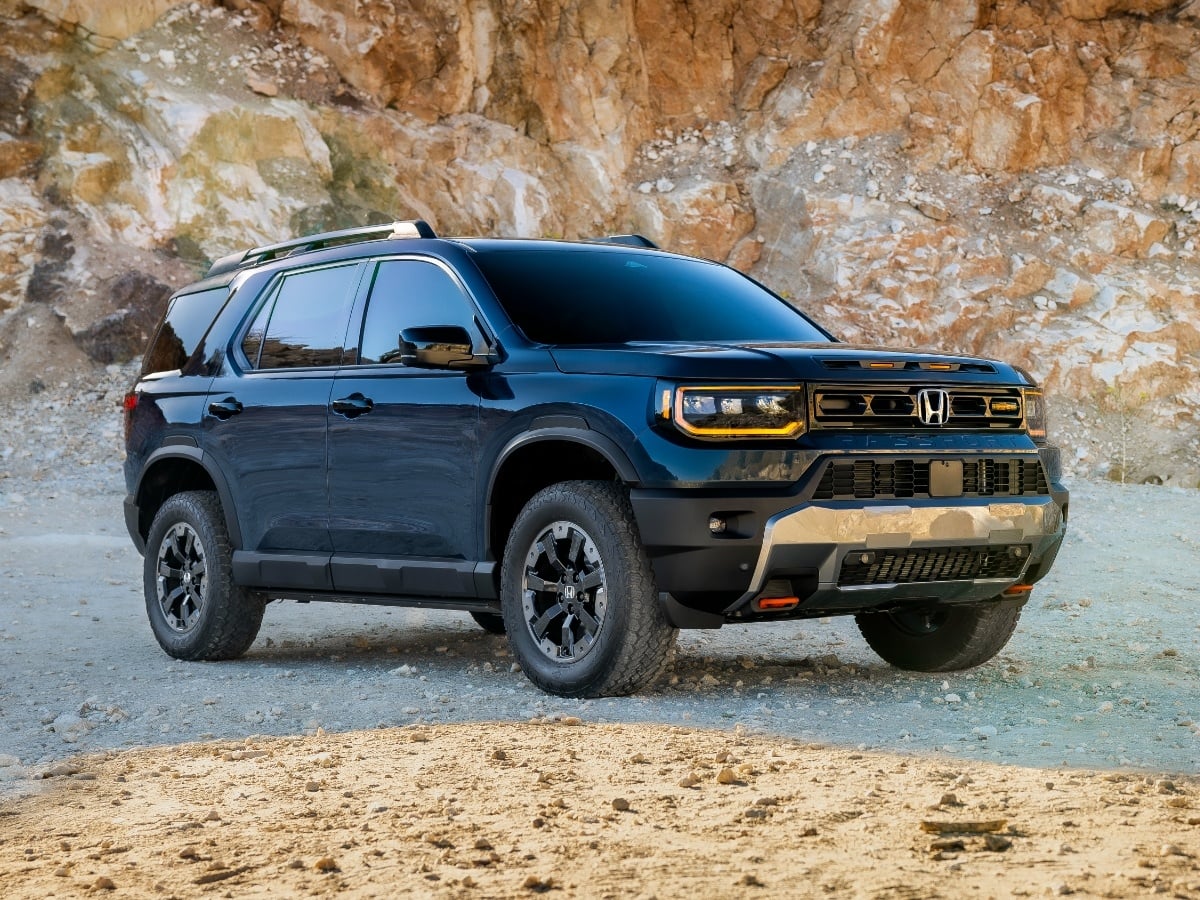
Updates to the 2027 Honda Passport TrailSport include a reworked suspension, improved steering, subtle styling enhancements, and added standard equipment.
Read the Full Article
The midsize 2027 Mercedes GLE remains available in original and spicy Coupe recipes, now with standard 4Matic all-wheel drive (AWD), MBUX Superscreen technology, and a panoramic glass sunroof for ...See More
Read the Full Article