
As cars age and experience door opening and closing cycles, the door components can wear out and develop problems. Without regular maintenance, car doors may become misaligned or worn, so they no longer close correctly. These issues are more common in older, heavily used cars and in vehicles with a history of minor impacts and accidents.

Driving with a car door that won’t close properly can be dangerous, as it may open unexpectedly, especially while turning or braking. To avoid potential issues, learn why a door might not close securely and try these tips to address them.
One issue that can prevent a door from closing is an obstruction in the door jamb. Often, the webbing of a seatbelt that hasn’t retracted properly can get caught between the door and the jamb, causing a blockage. Other objects, such as debris, paper bags, snow, mud, grime, or personal items, can sometimes jam a door.
Open the door and check that no objects are caught between it and the jamb before closing it. Regularly cleaning the jamb and keeping it free of debris can also help prevent the door from sticking and failing to close properly.
The latch jaw is a spring-loaded component inside the car door. It is designed to engage with a metal hook-shaped part on the frame called the latch post, also known as the door anchor or latch striker.
On a normally functioning door, the latch post should be aligned with the jaw, allowing the jaw to engage and lock around it. The latch post is shaped like a loop so that when the door is closed, the jaw closes around it, keeping it in place.
If the latch jaw is stuck closed, it won’t be able to engage with the post, preventing the door from fully traveling and closing. Some common reasons a latch jaw might fail to stay closed include:
A problem with the latch post itself can also prevent car doors from closing properly. While designed to withstand repeated impacts and opening and closing cycles, the bolts or screws can loosen over time, causing the latch to fall out of alignment.
Slightly misaligned latch posts will allow the door to close but require extra force to get the jaw to engage. It can also cause a door to resist re-opening, making it feel “sticky.” Severe misalignments may cause the door to bounce back, preventing it from closing.
Fixing a misaligned latch post requires the following steps:
If realigning the latch post hasn’t fixed the issue, the door hinges may be forcing the door out of alignment instead. If the door appears to be sagging or if the space between the door and the fender is uneven, the hinges may be worn out or damaged.
Replacing a car door’s hinges is a more involved repair than most other car door issues due to their weight and the importance of proper alignment. DIY hinge repairs are not recommended.
Motorists with door hinge or major alignment problems should contact a local auto body shop and let a mechanic handle the repair.
Modern vehicles feature many electronic components, such as power locks, automatic soft-closing, and sensor-actuated mechanisms. Malfunctions in these systems can sometimes prevent a car door from closing.
For instance, a broken or shorted power door lock actuator or a malfunctioning door sensor can prevent a door from closing by keeping its mechanisms stuck in the open position. The door will travel to the closed position but not remain in place, creating the risk of swinging open while driving.
Diagnosing problems with sensors or electronics typically requires specialized equipment, such as OBD-II scanners or manufacturer-specific diagnostics tools.
Visit a certified mechanic specializing in the car’s specific make and model. They have access to the equipment needed to assess the cause of the problem and perform necessary repairs without damaging other components.
Regularly inspecting and maintaining door components can help prevent many of these issues. Car door maintenance involves keeping the door jamb clean and the moving parts properly lubricated and protected from rust and ice.
Regular checks for wear and tear can help drivers identify when a car door may be falling out of alignment. DIY fixes may not be possible if a door’s hinges or mechanisms show signs of wear. The best solution is to let a mechanic make the necessary repairs.
Author: Corentin Bernard
Corentin’s passion for the automotive world started when he was just seven years old, during a life-changing visit to an auto museum. Now a seasoned writer, Corentin channels that early fascination into every piece he writes, whether he’s exploring the latest car trends or automotive history. But his expertise doesn't end there—he also brings his insights to topics like home improvement, the boating and yachting industry, personal finance tips, and cutting-edge tech.



The new 2027 BMW i3 boasts an estimated range of up to 440 miles, 400-kilowatt DC fast charging capability, bidirectional charging to a home or the grid, and next-generation technology.
Read the Full Article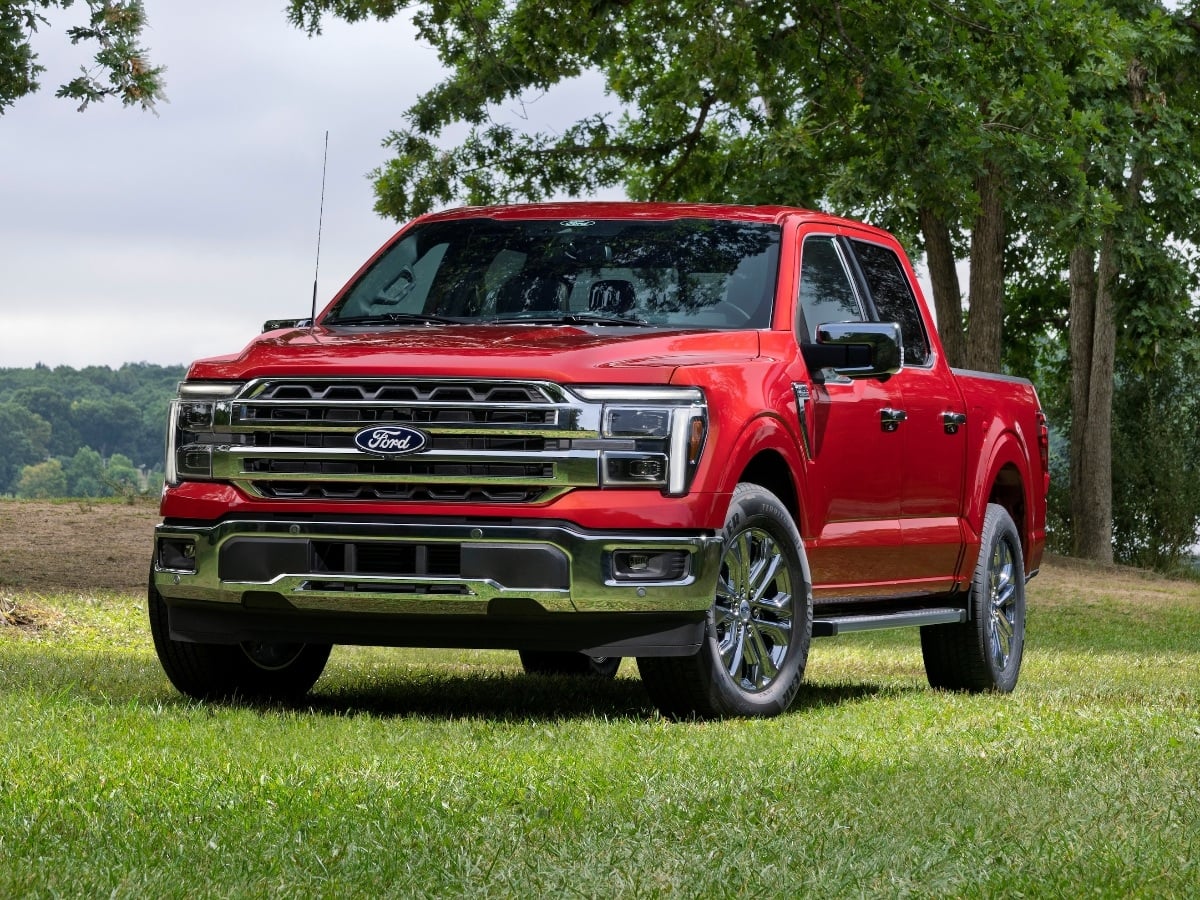
Facing renewed competition in the full-size, light duty pickup truck segment, the 2027 Ford F-150 receives subtle styling updates, a new standard engine, broader availability of its 5.0-liter V8, and ...See More
Read the Full Article
The 2027 Civic Type R goes on sale in October 2026, and it starts at $49,990, including the $1,295 destination charge.
Read the Full Article
Part of BMW’s Neue Klasse (new class) rollout of redesigned models, the 2027 BMW 3 Series is all-new and goes on sale in the first quarter of 2027.
Read the Full Article