
When searching for a used car to buy, finding out if a car is still under warranty before purchasing it is an important step in the process. Having a warranty–either the initial warranty or an extended warranty– can drastically reduce the out-of-pocket costs of repairs, especially for older vehicles.

This article describes all the necessary steps to determine the current warranty status of a vehicle and outlines the different types of warranties available on the market.
Warranties are provided by manufacturers, dealerships, or third parties to cover specific types of repairs and services within a predetermined period of time or mileage limit. Before exploring the methods for checking a car's warranty status, it is important to understand the different types of warranties available.
Manufacturer's Warranty: This is the most common type of warranty, typically covering the vehicle for a certain number of years or miles, whichever comes first. It usually includes a bumper-to-bumper warranty, which covers most vehicle parts, and a powertrain warranty, that covers the engine, transmission, and other critical components.
Manufacturer's Warranty Example: Ford’s New Vehicle Limited Warranty provides bumper-to-bumper coverage for three years or 36,000 miles, whichever comes first, and powertrain coverage for five years or 60,000 miles.
Extended Warranty: Also referred to as a service contract, an extended warranty provides coverage after the manufacturer’s warranty has expired. This type of warranty can be purchased from the manufacturer, dealership, or a third-party provider.
Extended Warranty Example: Toyota’s Vehicle Service Agreement (VSA) offers extended coverage options that go beyond the standard warranty (which would end at three years or 30,000 miles). The agreement’s Platinum coverage includes repair services for up to 10 years or 125,000 miles.
Certified Pre-Owned (CPO) Warranty: This is a warranty available for certified pre-owned vehicles purchased from a dealership. It usually includes a limited extension of the original manufacturer’s warranty.
Certified Pre-Owned (CPO) Warranty Example: BMW’s Certified Pre-Owned (CPO) Warranty extends the original four-year/50,000-mile New Vehicle Limited Warranty by an additional one year with unlimited miles.
Emissions Warranty: Federally mandated in the United States, this warranty covers specific parts related to the vehicle’s emissions system, ensuring compliance with environmental standards set in the Clean Air Act of 1970.
Emissions Warranty Example: Honda’s Emissions Warranty covers certain emissions-related components for three years or 36,000 miles under the Federal Emissions Warranty, with additional coverage in California and some other states like Oregon.
Car owners often have the warranty information available when they sell a car. But if a car has been sold a few times, the current owner may not know if there is an extended warranty in place, but this does not mean there isn’t one. Taking the time to find out if there’s a warranty could save serious amounts of money in the future.
The first step in finding a car's warranty status is to locate the vehicle identification number (VIN). Every vehicle is assigned a unique 17-character code that can be found in one of the following places:
The VIN allows a prospective buyer to look up specific information about the car, including its warranty status.
One of the most reliable methods to verify a car's warranty status is by contacting the dealership where the vehicle was purchased or any authorized dealership of the car’s brand. The vehicle’s history found with the VIN will state where the car was originally sold. If the license plate holder is from a dealership, it might be from the dealer that originally sold the car.
By providing the VIN, the dealership can access the warranty information in their system and confirm whether the warranty is still active, specify the type of warranty coverage available, and indicate how long it will last.
Dealerships also have access to the car’s service history. This is significant because warranties can be voided if the vehicle has not been properly maintained according to the manufacturer’s recommendations.
Many car manufacturers offer online tools or websites that allow vehicle owners to check the warranty status using the VIN. Brands like Ford, Honda, and Toyota provide online portals where users can create an account, enter the VIN, and access warranty information. These online resources are convenient and provide instant access to warranty details without requiring direct contact with a dealership.
Third-party websites like Carfax offer services that allow users to check a car's warranty status. Some of these services may require a fee, but they can provide extensive reports on the vehicle's history, including warranty information.
The owner’s manual is a useful resource for understanding the warranty details of a vehicle. It typically outlines the terms of the manufacturer’s warranty, including the duration (in years or miles) and the components covered. Comparing the car’s purchase date and current mileage with the warranty terms can help determine if the vehicle is currently covered by a warranty.
The owner’s manual will not be helpful when looking for an extended warranty.
If the warranty information cannot be obtained any other way, a last resort would be to contact the car manufacturer directly. Most manufacturers have customer service departments that can assist in discovering the warranty status. When contacting the manufacturer, it is important to provide the VIN and other relevant details, such as the car’s purchase date and current mileage.
The manufacturer can also provide information on recalls or service bulletins that may affect the vehicle. Sometimes, even if the warranty has expired, manufacturers may offer goodwill repairs for certain problems, especially those related to safety issues.
For vehicles with an extended warranty or some sort of service contract, it is essential to review the documentation to understand the coverage and how long the coverage lasts. Extended warranties often have specific terms and conditions that differ from the original manufacturer’s warranty; it is important to know whether the extended warranty covers the same components, or if it offers additional coverage for items not included in the original warranty.
When purchasing a car, ask for all the receipts for any work done to the car. Some car owners are diligent about keeping good records, and old receipts could come in handy for future repairs. For example, there could be a lifetime warranty on an alignment that was done for the car if it was done at , or if the tires are newer, the company that installed them might warranty them for a period of time and fix them for free like Les Schwab. Without these documents, it is unlikely the companies will not honor the warranties.
Determining whether a car is still under warranty may take a lot of research, but finding out may reduce repair costs down the road. This is especially important when calculating the overall costs of buying a used car.


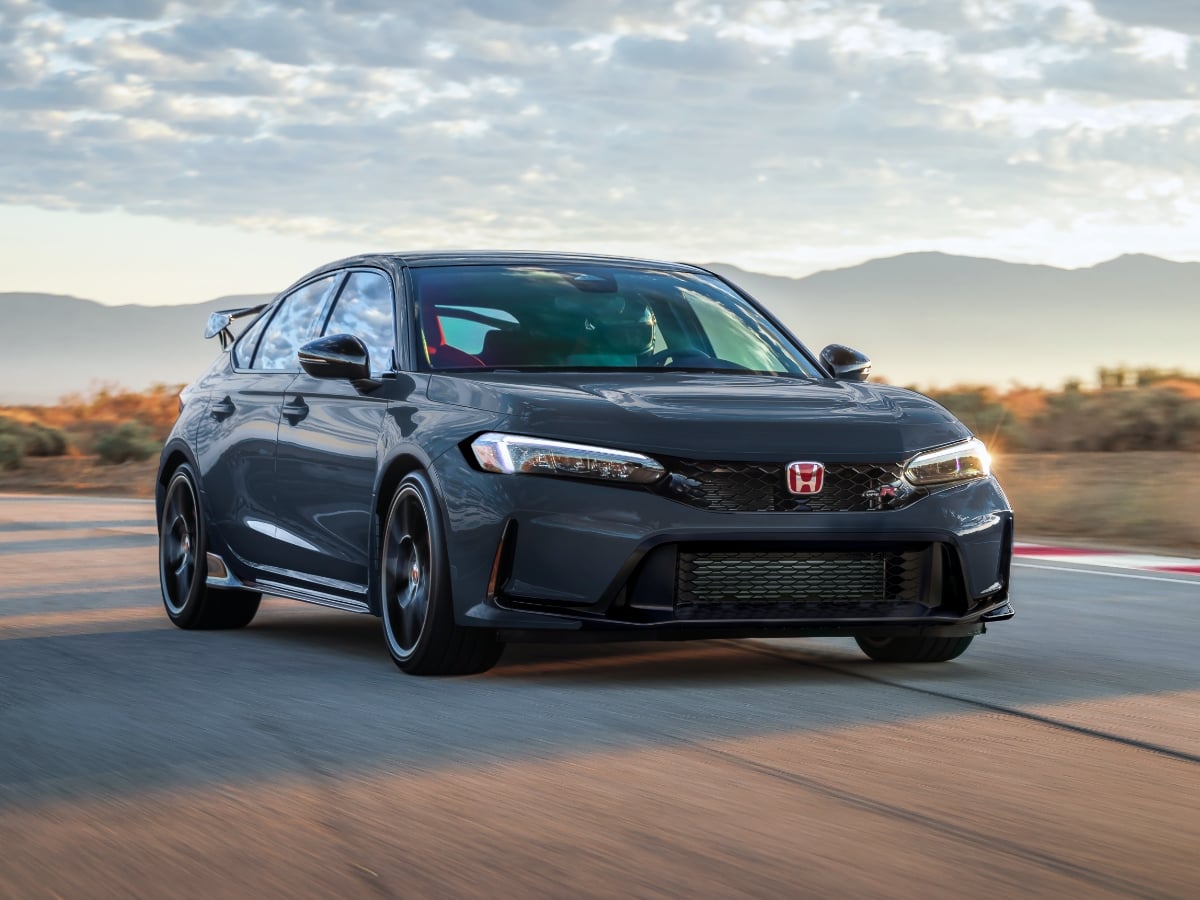
The 2027 Civic Type R goes on sale in October 2026, and it starts at $49,990, including the $1,295 destination charge.
Read the Full Article
Part of BMW’s Neue Klasse (new class) rollout of redesigned models, the 2027 BMW 3 Series is all-new and goes on sale in the first quarter of 2027.
Read the Full Article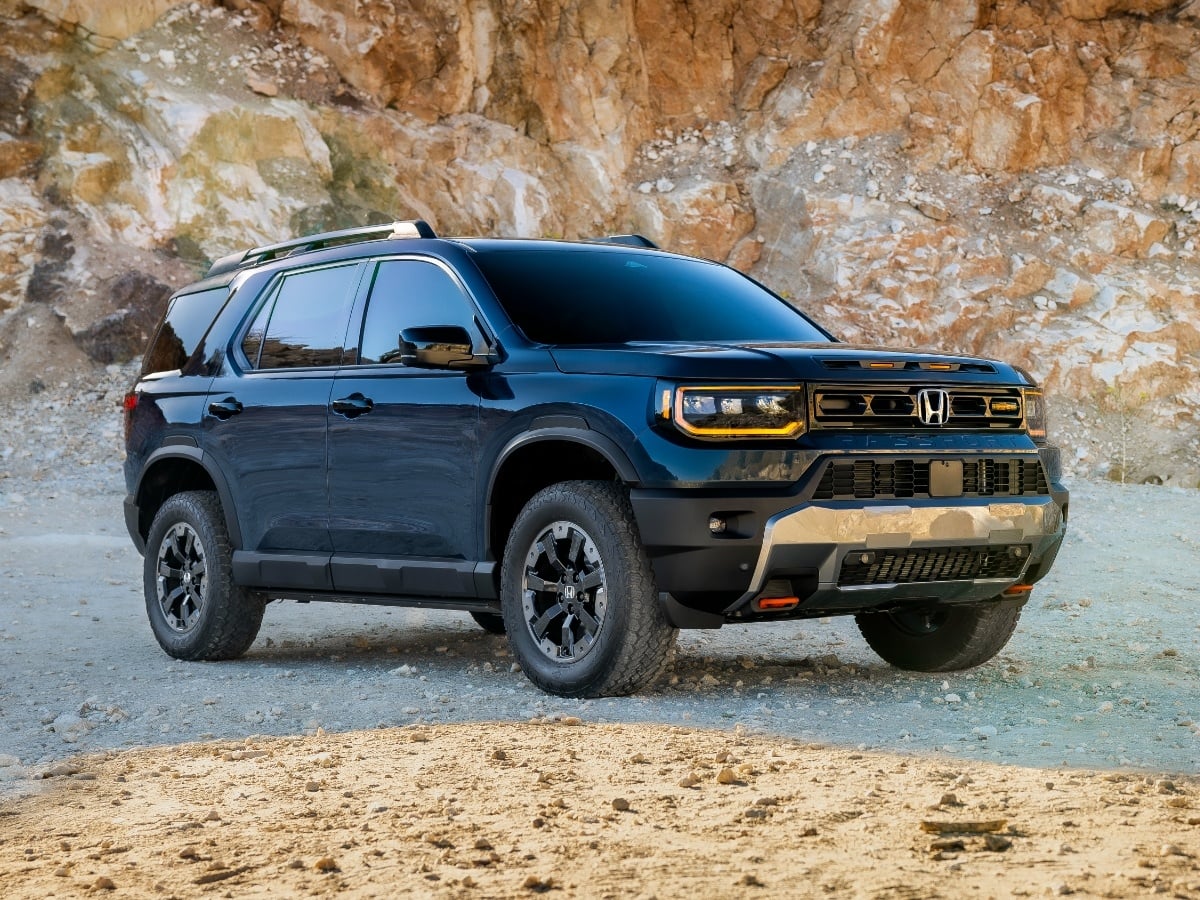
Updates to the 2027 Honda Passport TrailSport include a reworked suspension, improved steering, subtle styling enhancements, and added standard equipment.
Read the Full Article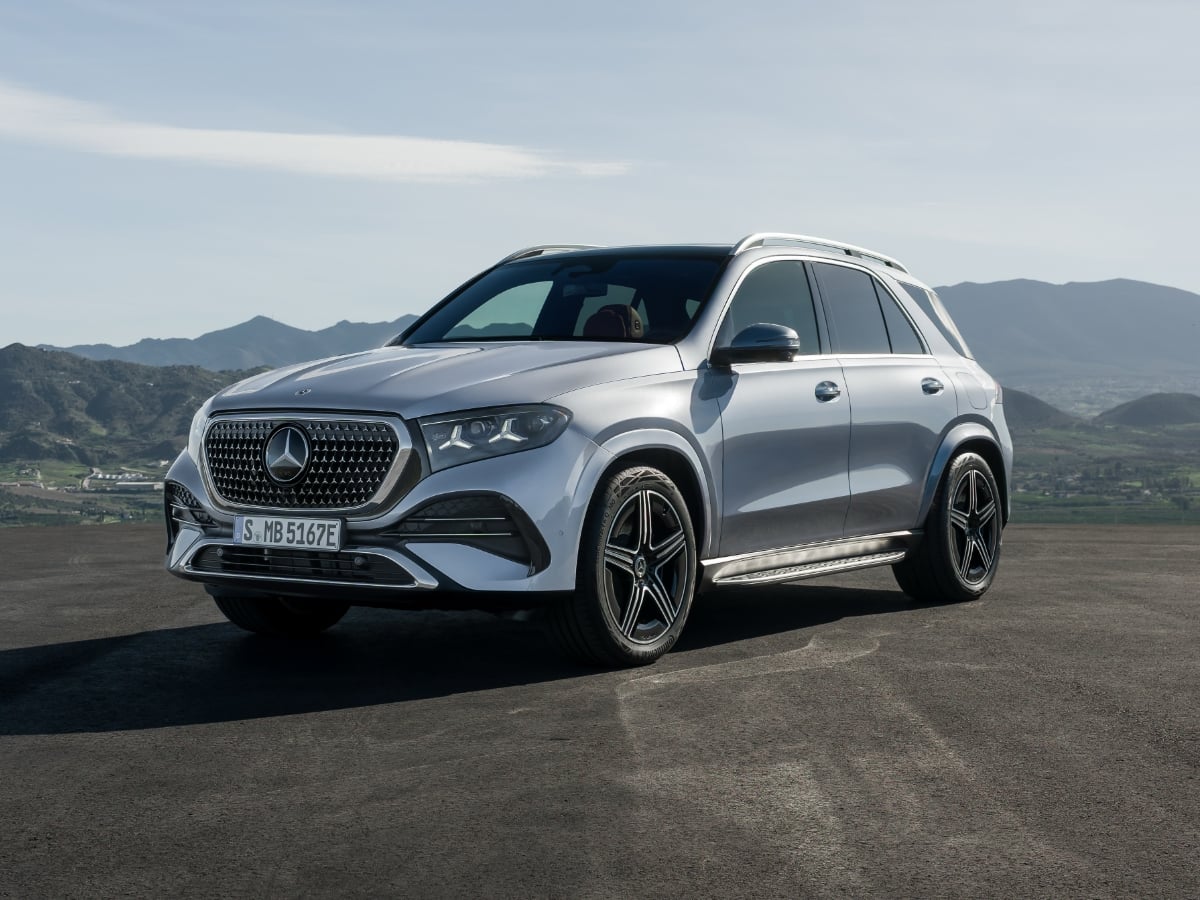
The midsize 2027 Mercedes GLE remains available in original and spicy Coupe recipes, now with standard 4Matic all-wheel drive (AWD), MBUX Superscreen technology, and a panoramic glass sunroof for ...See More
Read the Full Article