
When you first got your car, it made sense to get gap insurance. Suppose you've owned the automobile for five years and three months without any significant problems and get a renewal notice, where, among other things, you see a hefty gap insurance fee.

At this point, you probably don’t even remember what it is and how you benefit from it. While this type of insurance does have its upsides, you may want to get it canceled due to the extra amount of money it costs. And this article will help you with that, but not before getting the basics out of the way.
Gap insurance is an extension of your auto insurance that covers the difference between the actual cash value of the car and what you owe on loan. If, for example, you were to total your car in an accident and it had a current market value of $10,000 due to years of ownership but was still worth $20,000 according to the loan terms, gap insurance would cover the difference.
Gap coverage is typically sold as part of a comprehensive policy that includes other types of coverage, such as liability, collision, and comprehensive. It's up to you whether or not you want to purchase this additional coverage. Some people find they don't need it, while others may feel more secure with it.
If you've purchased gap insurance and now think you no longer need it, you might wonder if it's possible to cancel your policy. After all, it’s designed to help cover the cost of a vehicle in the event of a total loss, but you may never need it.
Gap insurance policies have terms and conditions that you must be aware of before canceling your policy. Most importantly, you may be charged a cancellation fee even if you cancel within the first few days of purchasing the policy. Some insurers will charge up to 50% of your premium if you cancel within 60 days, while others charge as little as 25% or nothing at all. If you are considering canceling your policy, ask your insurer if they charge any cancellation fees and how much those will be.
Another thing to consider before canceling your gap insurance policy is whether you will have any gaps in your coverage if you cancel. If you own a car with no loan and have paid it off, then it’s safe to assume that there will be no coverage gaps. However, suppose you still owe money on your vehicle and are making payments. In that case, canceling your policy could leave a gap between the balance of what’s owed on the vehicle and what insurance would pay out if it were totaled in an accident or stolen.
To cancel gap insurance, you'll need to contact your insurer. They can provide you with a form to fill out that will cancel your policy and refund any remaining money. You can also cancel gap insurance by submitting a written request, which should include your name, address, and vehicle identification number (VIN).
It’s also possible to cancel online, but this option is only available if you received coverage through an insurance company, not dealerships.
If your insurer provides refunds and you’ve confirmed this information by calling, then all that’s left is to contact your provider and ask for your money back. Remember that it may take time for them to process this request and send out any paperwork detailing your refund amount.
If you're requesting an online payment, ensure you get an email confirmation containing details about your transaction and how much was refunded. In this case, it should include fees paid and the total amount returned. You should also receive an official receipt from the service provider showing proof of purchase. It will help with future tax filing requirements if applicable.
Keep all documentation-related information like policy numbers, cancellation letters, email notifications, and any other correspondence between yourself and insurance companies. Make sure all relevant contact details, including phone numbers, remain current so they can quickly get in touch if there's ever any confusion over payments made by mistake.
Canceling your gap insurance and getting a refund shouldn't be a tough challenge. The best thing you can do for yourself is to read the policy carefully before signing anything, then keep all relevant documentation in case of any queries concerning payment or cancellation.
You should also be aware that if you decide to cancel your insurance, you may have to pay a cancellation fee, although this will vary depending on your provider and the type of policy acquired.
If you need clarification on whether or not you need gap insurance, it's always worth getting in touch with your insurer. They should give you a good idea of what the policy covers and how much it will cost if they offer it as part of their standard insurance packages. If they don't, consider buying a standalone policy from another provider.


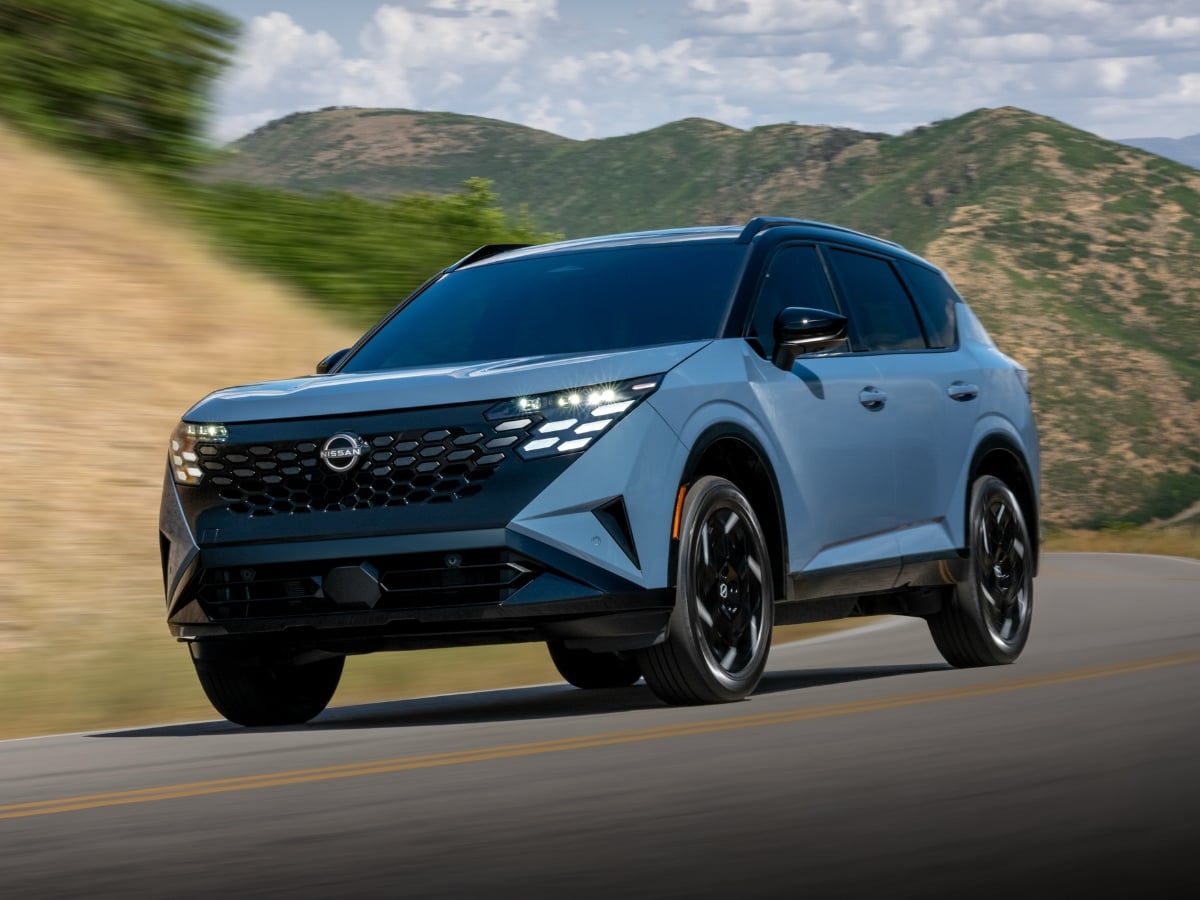
Nissan is about to introduce an innovative new SUV. The 2027 Nissan Rogue Hybrid has a gasoline engine, but it does not power the wheels. Instead, electric motors at each axle provide propulsion, ...See More
Read the Full Article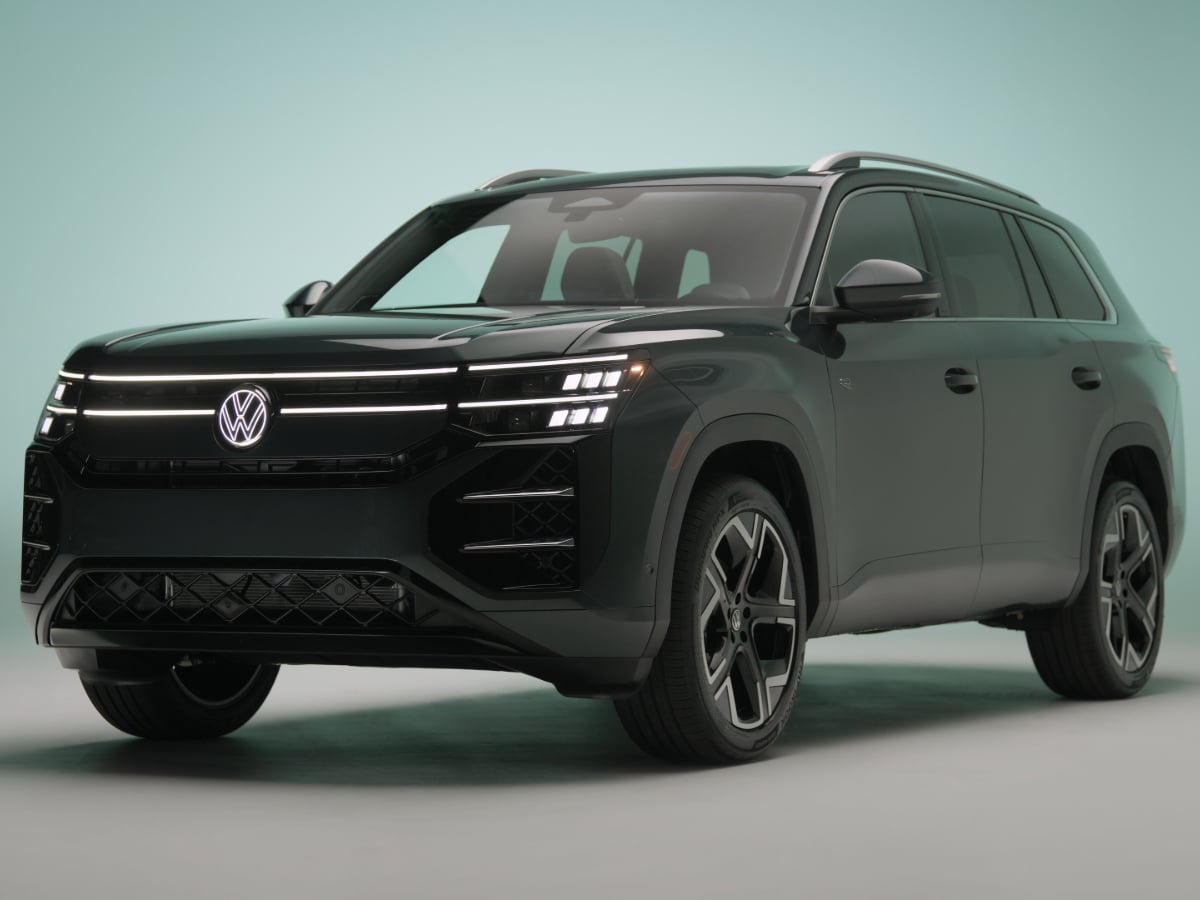
Adding European flair to the otherwise vanilla midsize three-row family SUV market, the redesigned 2027 Volkswagen Atlas debuts with a sharper exterior, an upgraded cabin, more power, and new ...See More
Read the Full Article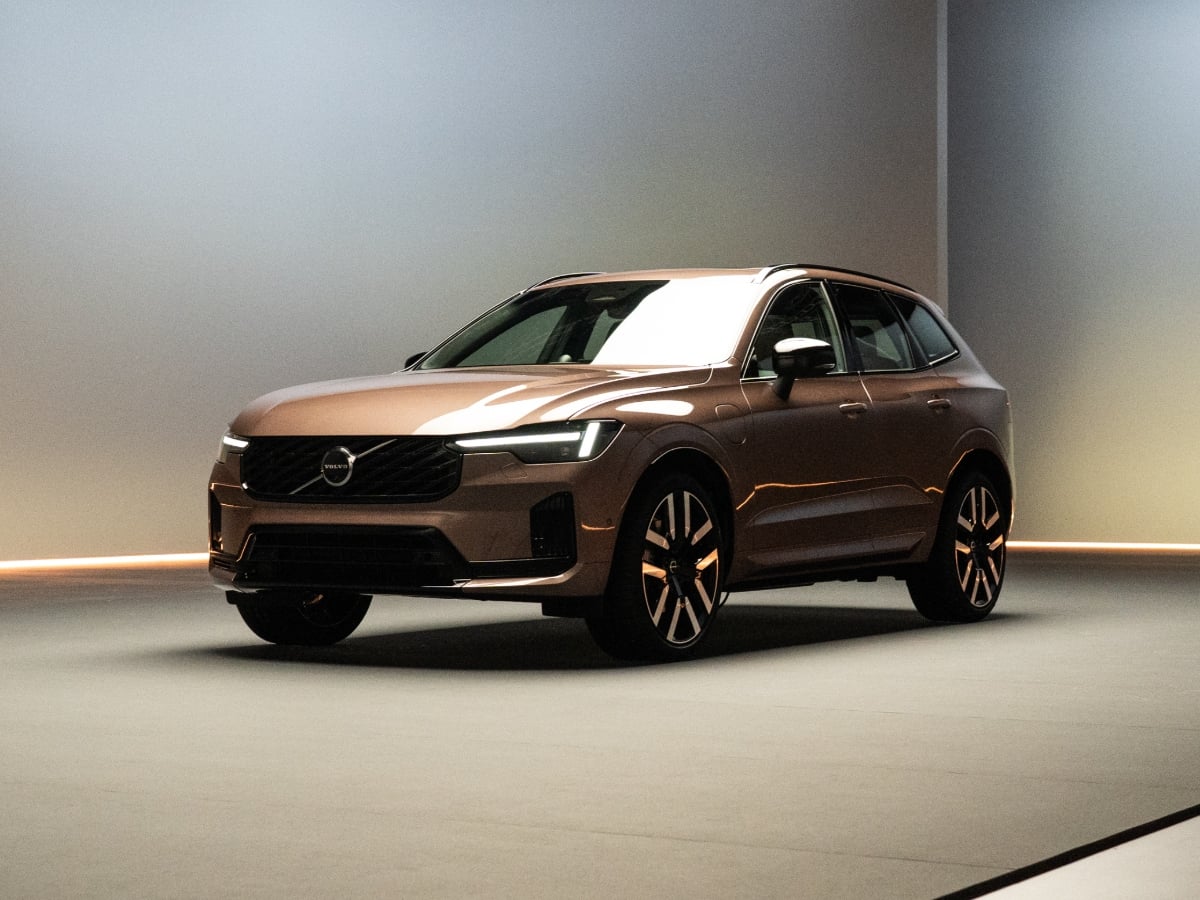
Though the styling stays largely the same, a massive boost in electric range for the plug-in hybrid (PHEV), plus a refined design, helps the 2028 Volvo XC60 stay current and desirable.
Read the Full Article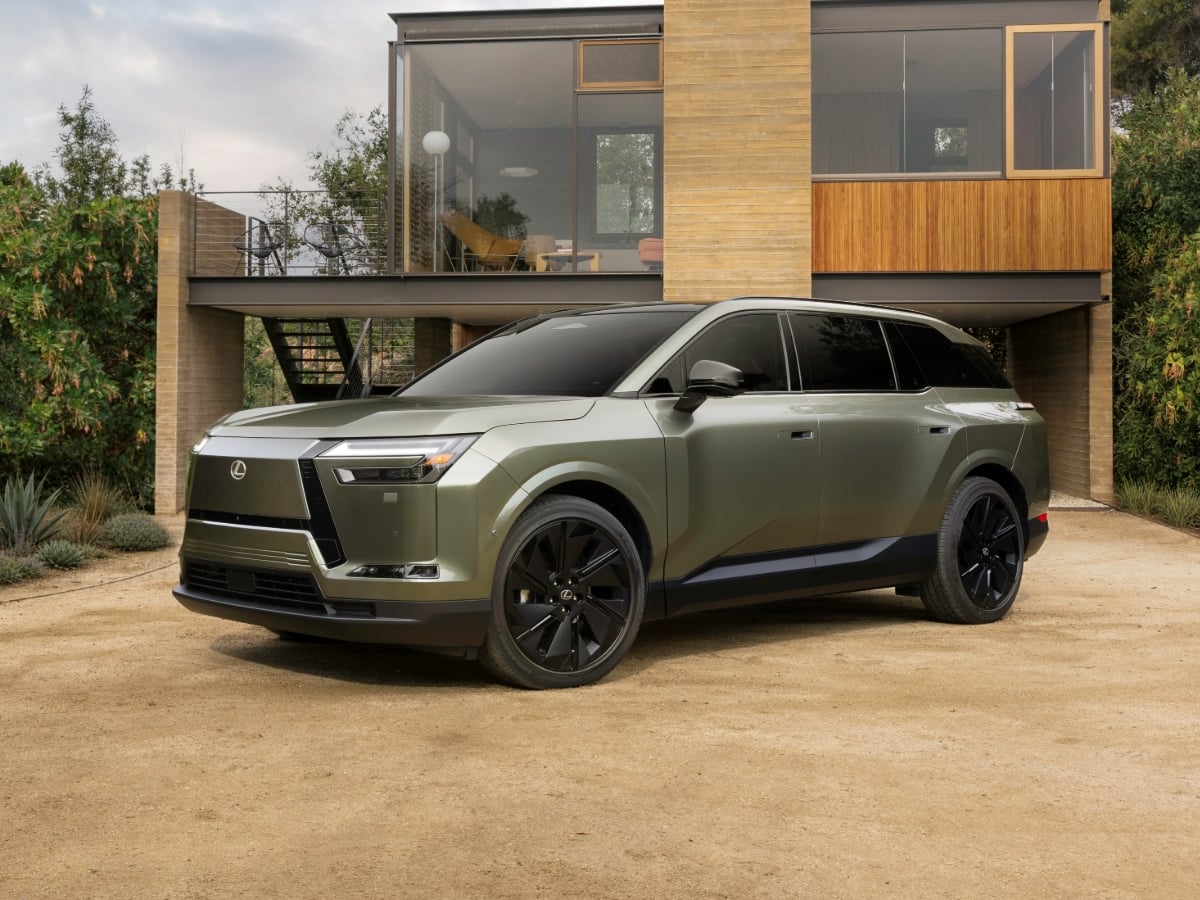
With the 2027 Lexus TZ, Toyota Motor’s luxury division introduces its first three-row all-electric SUV, featuring a lounge-inspired interior, an enhanced all-wheel drive (AWD) system, and up to 300 ...See More
Read the Full Article