
While buying a new or used vehicle out-of-state has always been legal, the practice became commonplace with the rise of the Internet and online car marketplaces. Today, buying a car from a seller in a different state is easy and common. Deal-seekers can access numerous online resources to buy cars from private sellers, auctions, and even dealerships across state lines.

Photo: Christian Wardlaw
Buying a car out-of-state is similar to buying locally, but the steps depend on the buyer’s home state, the seller, and the car’s condition and paperwork.
There are many reasons to opt for an out-of-state seller instead of one closer to home. Reasons to go car shopping in other states include:
Purchasing a vehicle in a different state requires buyers to complete a few extra steps. Depending on the buyer’s state of residence, local laws, and the distance to the seller, there may also be additional expenses.
Buyers looking to transport an out-of-state vehicle home must follow these steps for a smooth and problem-free buying experience:
If the vehicle is used, the first step is to enter the VIN in a vehicle history checker and obtain a copy of the history report. It will reveal the vehicle’s mileage, lien status, title type, and maintenance history.
If the seller is a dealership and the vehicle is new or used with a model year 2007 or newer, it should have an emissions label under the hood. Vehicles compliant with California emissions standards are considered the nation's strictest and “50-state compliant.” Many cars only meet federal or EPA standards but not California’s, making them “49-state compliant.”
A trusted mechanic can conduct a pre-purchase inspection (PPI) on a vehicle before purchase.
A PPI is typically performed on a privately sold used vehicle to verify whether it needs repairs or maintenance. If the car doesn’t have an emissions label, they can also check whether it complies with the home state’s emissions requirements.
A buyer should only purchase a vehicle after verifying it meets the home state’s emissions standards and their needs. If buying from a dealership, they may offer to collect sales tax and provide a receipt at this point.
Once the vehicle has been purchased, the buyer must decide how to bring the vehicle to their home state. If the buyer plans to drive it home, they must acquire temporary registration tags by asking the dealership or visiting a local DMV.
Otherwise, the buyer must arrange the vehicle’s transportation through other means, such as a shipping company.
After the vehicle has been delivered, the buyer must visit their home state’s DMV and submit all necessary documents to register the vehicle. Standard documents to submit include the driver’s license, title or manufacturer’s certificate of origin (MCO), bill of sale, and proof of auto insurance.
If sales tax hasn’t already been collected from a dealership, the buyer will pay sales tax at this point; otherwise, they must submit the sales tax payment receipt.
If the vehicle doesn’t have an emissions sticker, the DMV may require an emissions inspection to verify it complies with local smog laws.
Browsing cars, trucks, and SUVs for sale out-of-state is a popular way to shop for a new or used vehicle. It can be an excellent solution for buyers looking for a good deal or if the local market doesn’t carry desirable models.
Online resources like the JD Power vehicle locator make it easy to search and filter by distance, make, model year, price range, and individual features. It is one of the most convenient solutions to find a suitable new or used vehicle online, including models sold out-of-state.
Corentin’s passion for the automotive world started when he was just seven years old, during a life-changing visit to an auto museum. Now a seasoned writer, Corentin channels that early fascination into every piece he writes, whether he’s exploring the latest car trends or automotive history. But his expertise doesn't end there—he also brings his insights to topics like home improvement, the boating and yachting industry, personal finance tips, and cutting-edge tech.


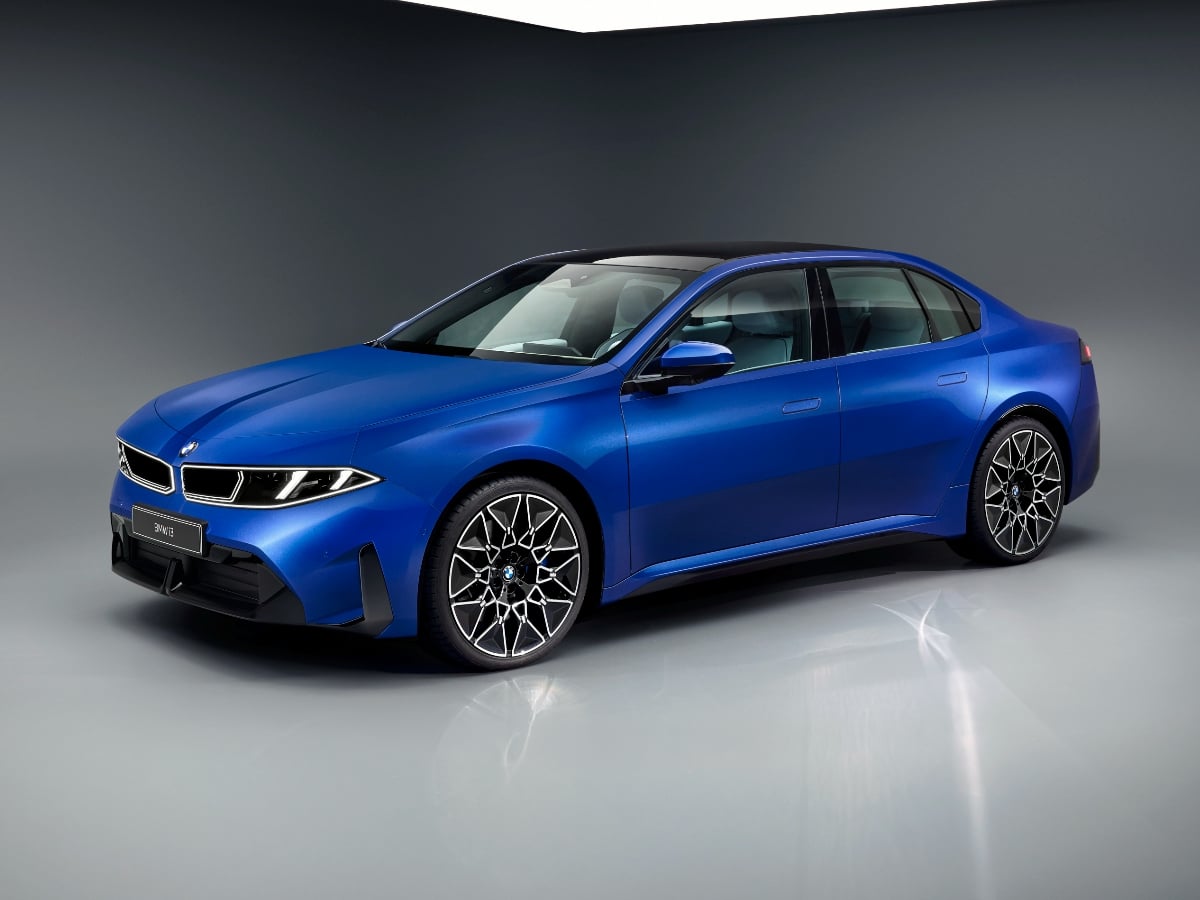
The new 2027 BMW i3 boasts an estimated range of up to 440 miles, 400-kilowatt DC fast charging capability, bidirectional charging to a home or the grid, and next-generation technology.
Read the Full Article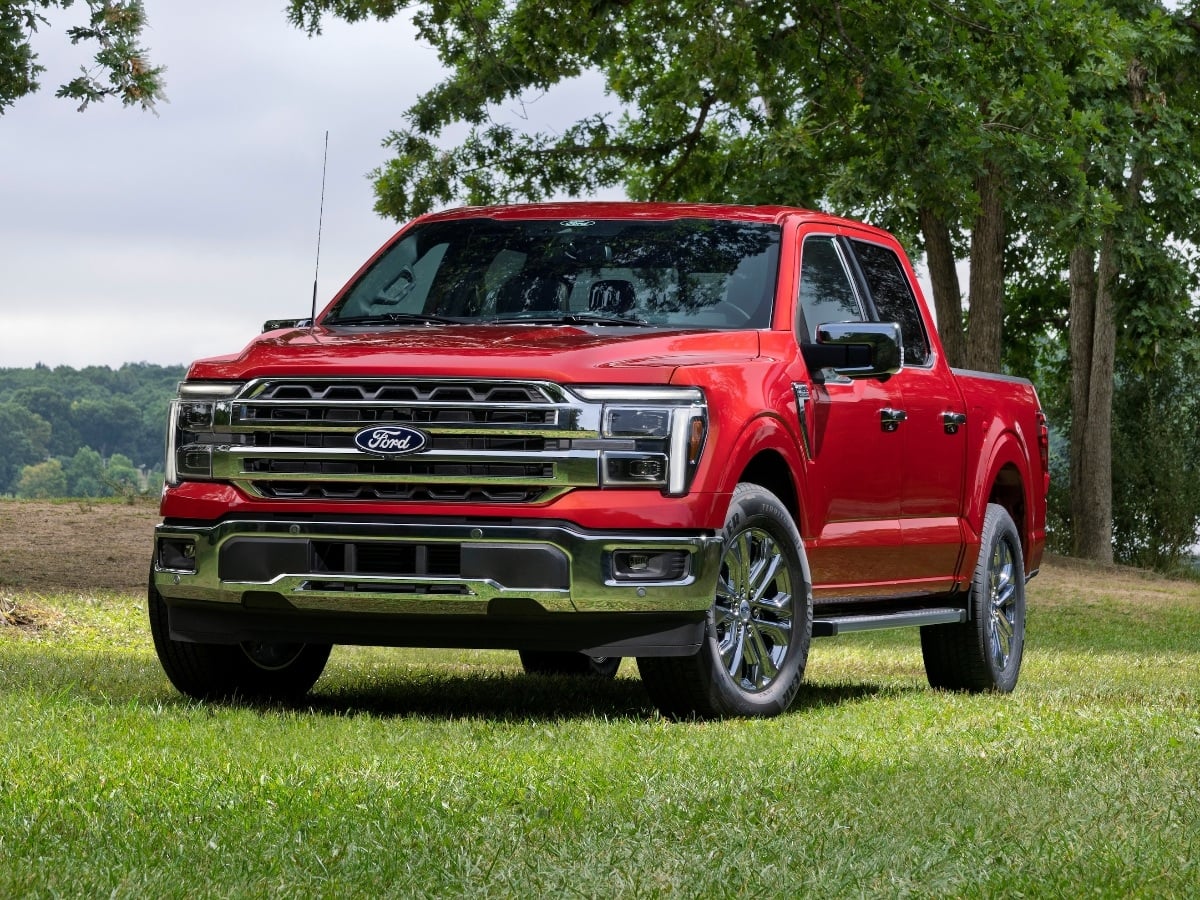
Facing renewed competition in the full-size, light duty pickup truck segment, the 2027 Ford F-150 receives subtle styling updates, a new standard engine, broader availability of its 5.0-liter V8, and ...See More
Read the Full Article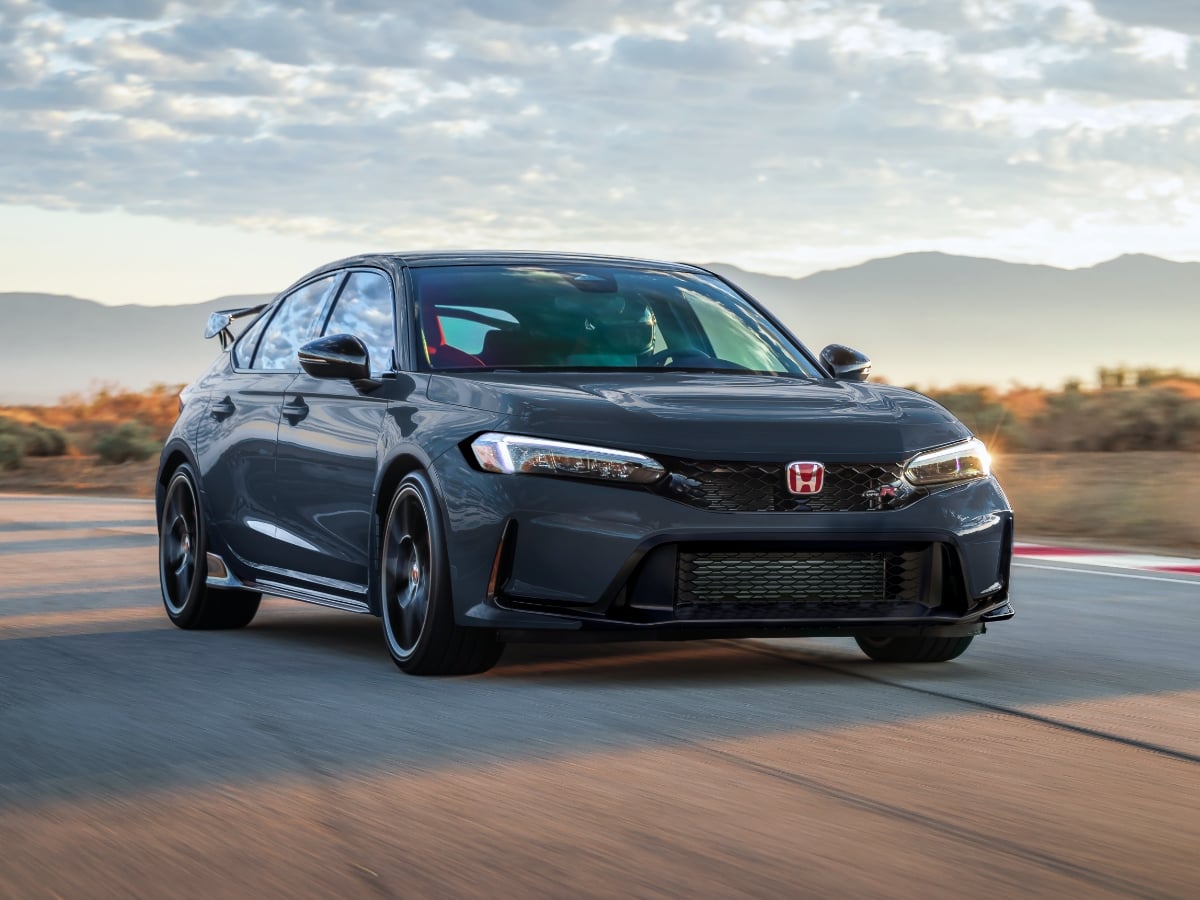
The 2027 Civic Type R goes on sale in October 2026, and it starts at $49,990, including the $1,295 destination charge.
Read the Full Article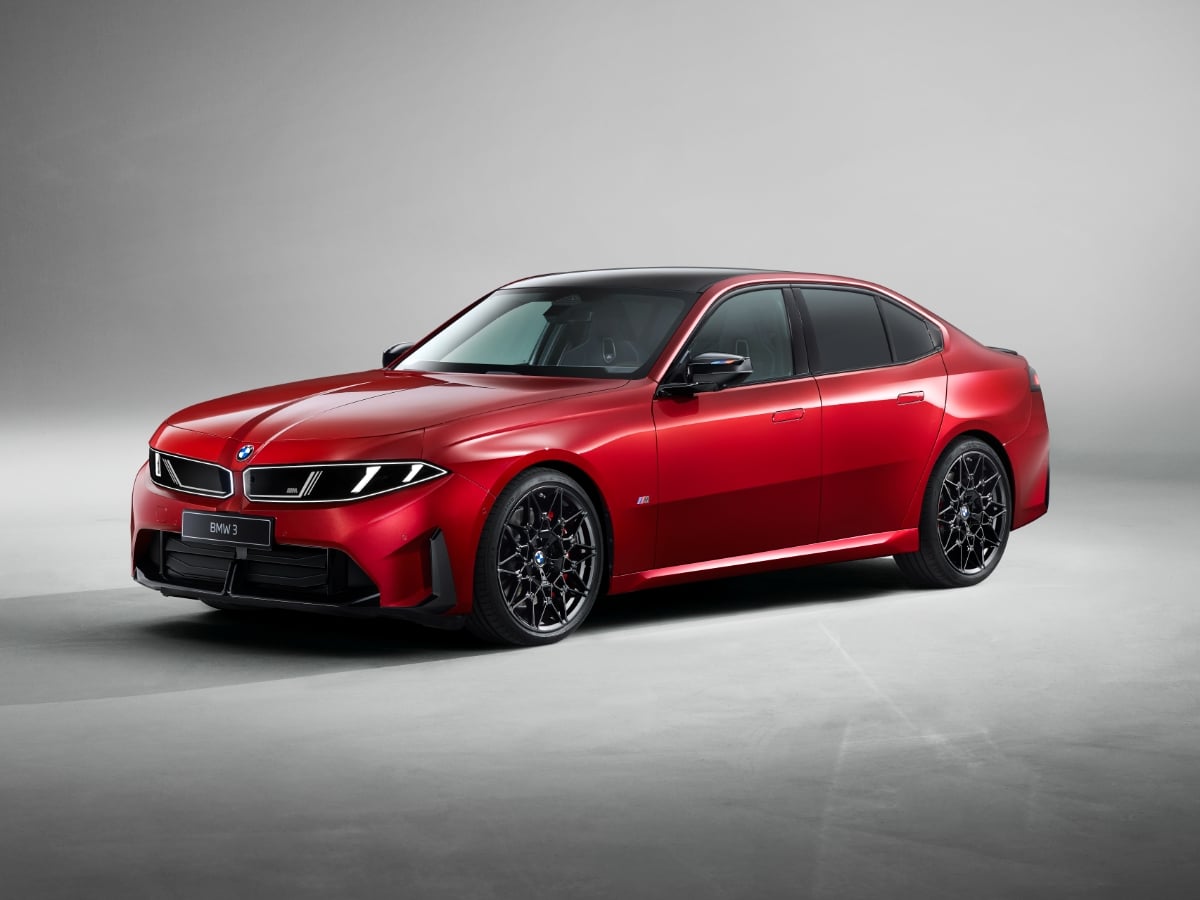
Part of BMW’s Neue Klasse (new class) rollout of redesigned models, the 2027 BMW 3 Series is all-new and goes on sale in the first quarter of 2027.
Read the Full Article