
Every driver will eventually encounter car problems along the way. Addressing these DIY-style can help you save money, learn more about how your car works, and gain valuable skills.

Brakes are a key car component. No one likes getting into road accidents, and regular brake maintenance is mandatory, especially when it comes to brake fluid, which plays a role in reducing your vehicle’s forward momentum.
In this article, we will discuss brake fluid in-depth. We will explain its role in stopping your vehicle and how often you should change it. We will also state the consequences of your inaction and list symptoms that show there is something wrong with the fluid.
The brake system consists of three main components: rotor, caliper, and brake pads. Whenever you press on the brake pedal, you send the indication to the caliper. It makes the two pads clamp down on the rotor or brake disc attached to the wheel, slowing the car’s forward momentum.
However, it is virtually impossible to do without the brake fluid. The brake system is hydraulic and requires a liquid that converts force into pressure. Whenever you press the pedal, this fluid converts this force into pressure to the front and rear brakes, slowly or rapidly bringing your vehicle to a stop.
The Department of Transportation classifies brake fluids to defined specifications related to chemical composition and boiling point. The three main types are DOT3 and DOT4, which are glycol-based, and the silicon-based DOT5. The principal difference is that the first two absorb water while the last one does not.
After a while, the brake fluid starts to get hot, so knowing its boiling point is crucial. If the liquid boils and turns to gas, it will lose the ability to transfer force and cause partial or complete brake failure. That is because, while liquids are incompressible, gasses are compressible. Absorbing water is crucial for the fluid to do its part, and you must change it regularly.
Generally speaking, every two years or 20,000 miles. However, certain factors affect frequency as no two drivers are the same. If you are tough on the brakes, you should go about it more often, but vehicle age, how much, and where you drive should also weigh in and must be noted.
The best way to ensure your brake fluid is in good condition is an inspection by a qualified mechanic. There are DIY tests out there, but they are inaccurate and can only present you with a rough idea.
Keep in mind, changing the brake fluid is mandatory and could lead to a host of issues if not done at all.
If you do not change the brake fluid, the moisture absorbed by the fluid builds up throughout the braking system. As the water content increases, the boiling point of the brake fluid becomes lower. It will cause excessive heating and make the fluid boil, rendering your brakes inefficient.
Allow the water to build up and remain in the vehicle, and internal corrosion may damage the master cylinder, calipers, brake lines, and other components. Replacing those will take a significant chunk of your money while changing the fluid costs just $100 or less.
There are some tell-tale signs that your brake fluid needs topping up. Among those are:
If you experience none of those, just visually check the brake fluid. To do that, open the brake fluid reservoir attached to the top of the master cylinder. It should be clear and have a slightly orange, blue, or green tint. If the fluid is murky or dark, proceed with the change.
Changing your brake fluid is critical to maintaining your car in good condition and preventing issues further down the line. We hope this article has helped you understand why you should brake fluid, how frequently to change it, and potential warning signs that you should get that done immediately.


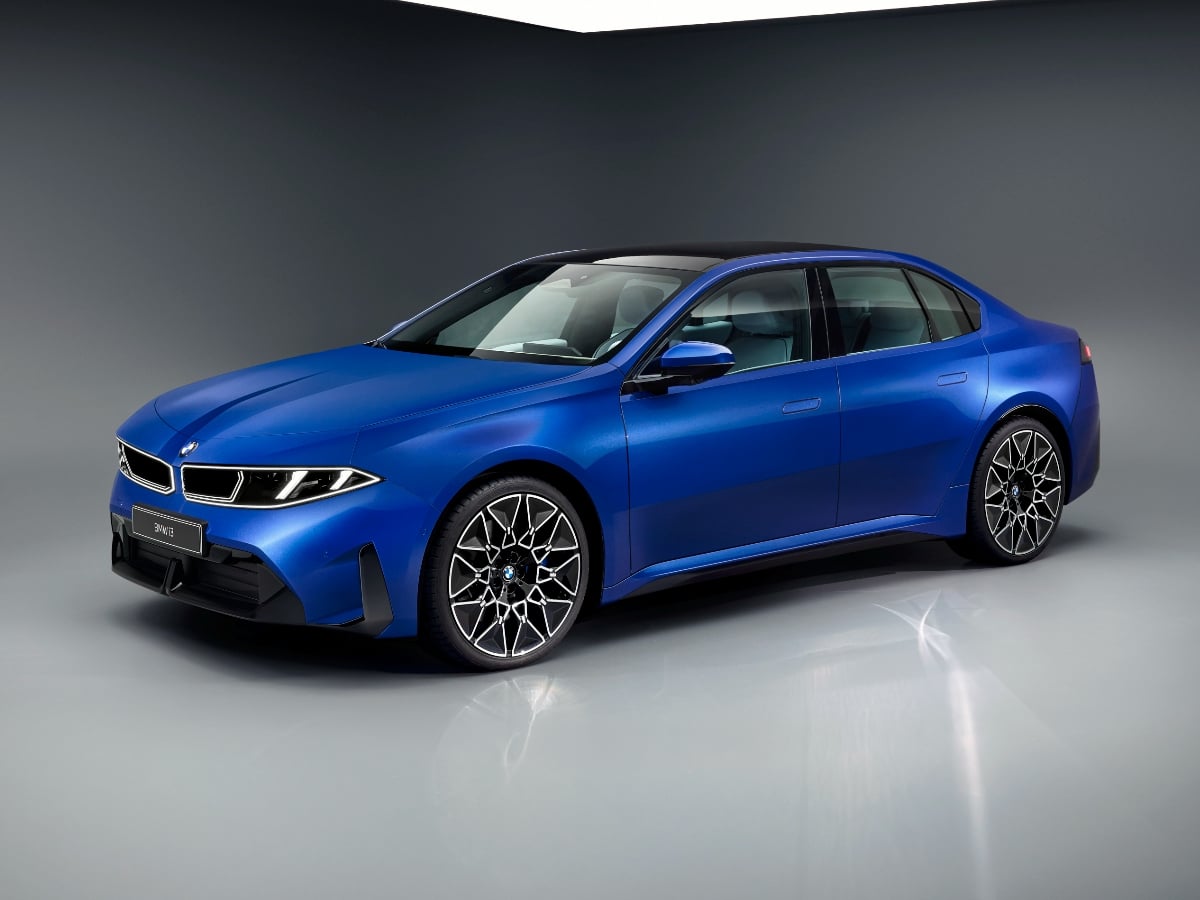
The new 2027 BMW i3 boasts an estimated range of up to 440 miles, 400-kilowatt DC fast charging capability, bidirectional charging to a home or the grid, and next-generation technology.
Read the Full Article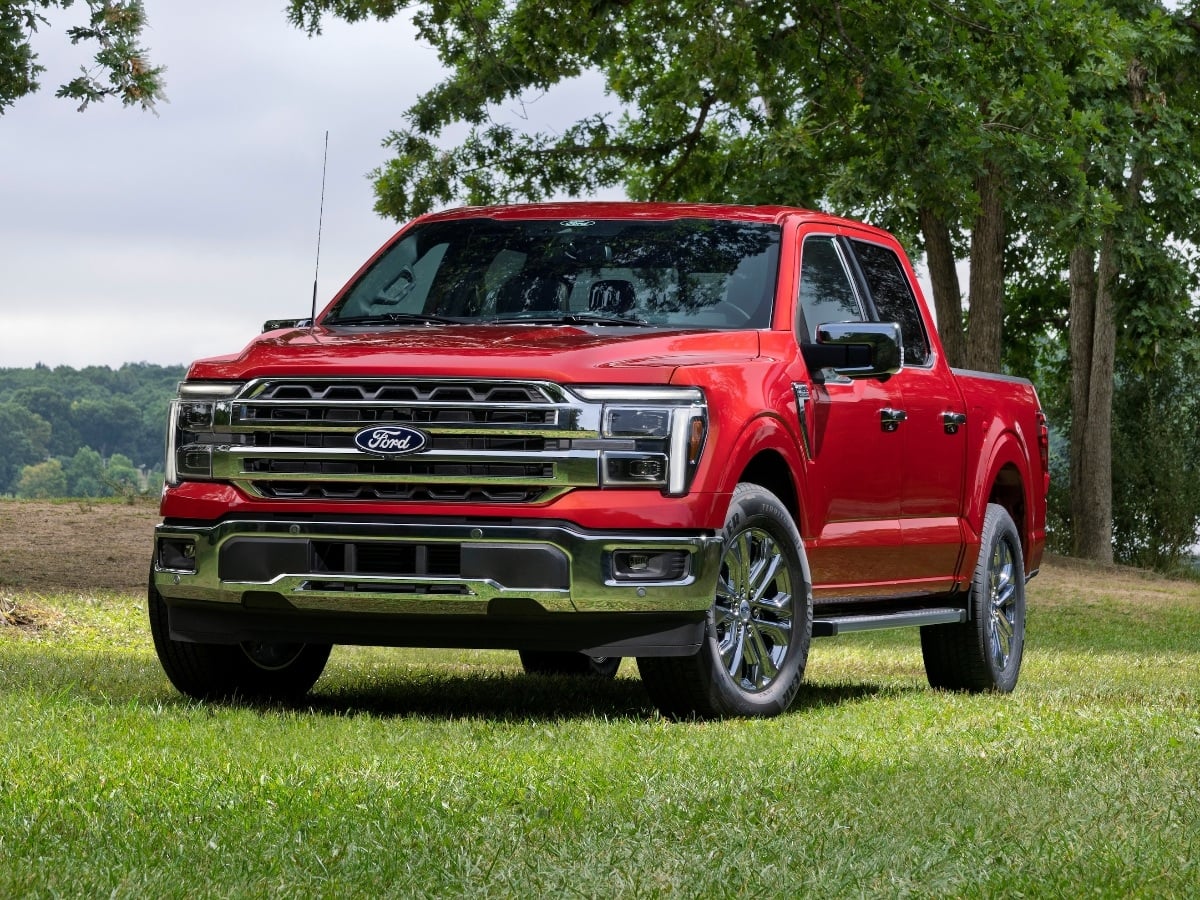
Facing renewed competition in the full-size, light duty pickup truck segment, the 2027 Ford F-150 receives subtle styling updates, a new standard engine, broader availability of its 5.0-liter V8, and ...See More
Read the Full Article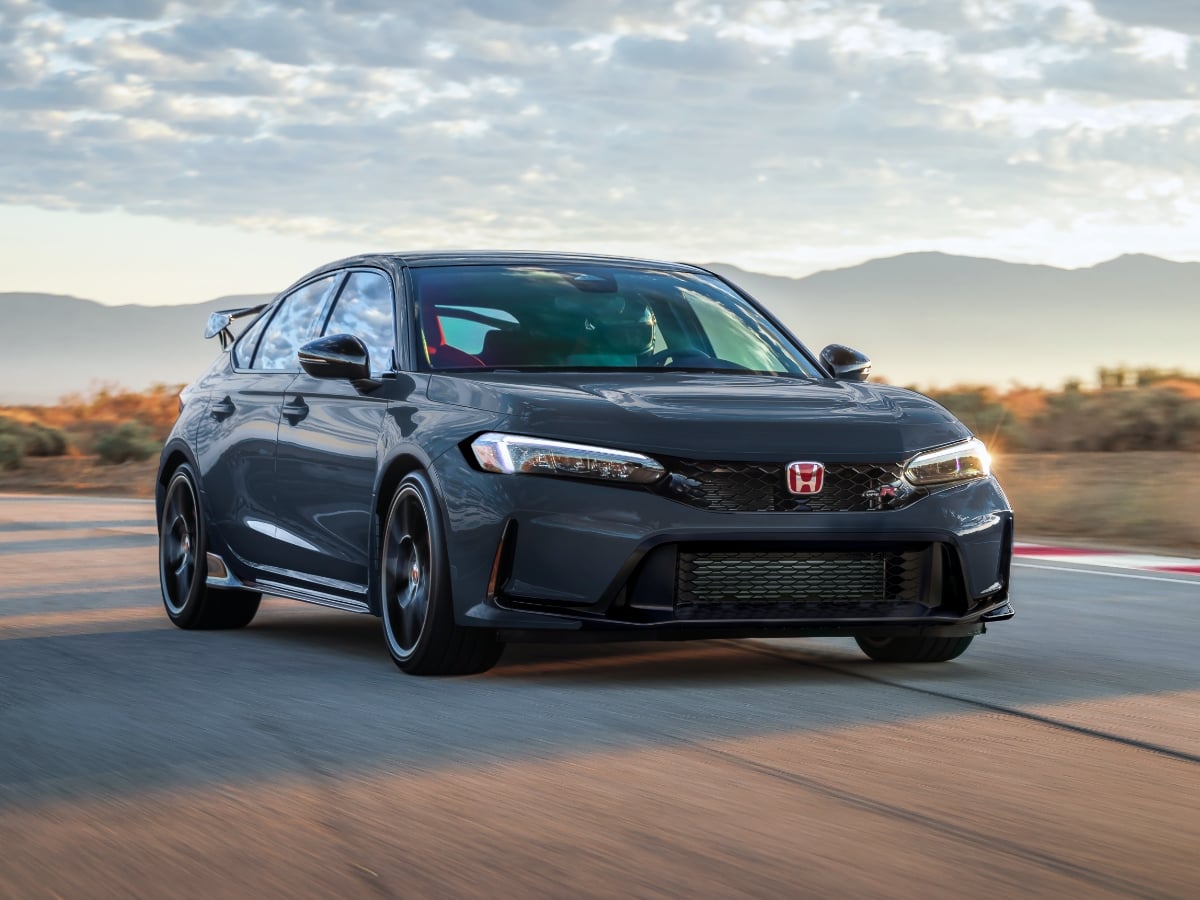
The 2027 Civic Type R goes on sale in October 2026, and it starts at $49,990, including the $1,295 destination charge.
Read the Full Article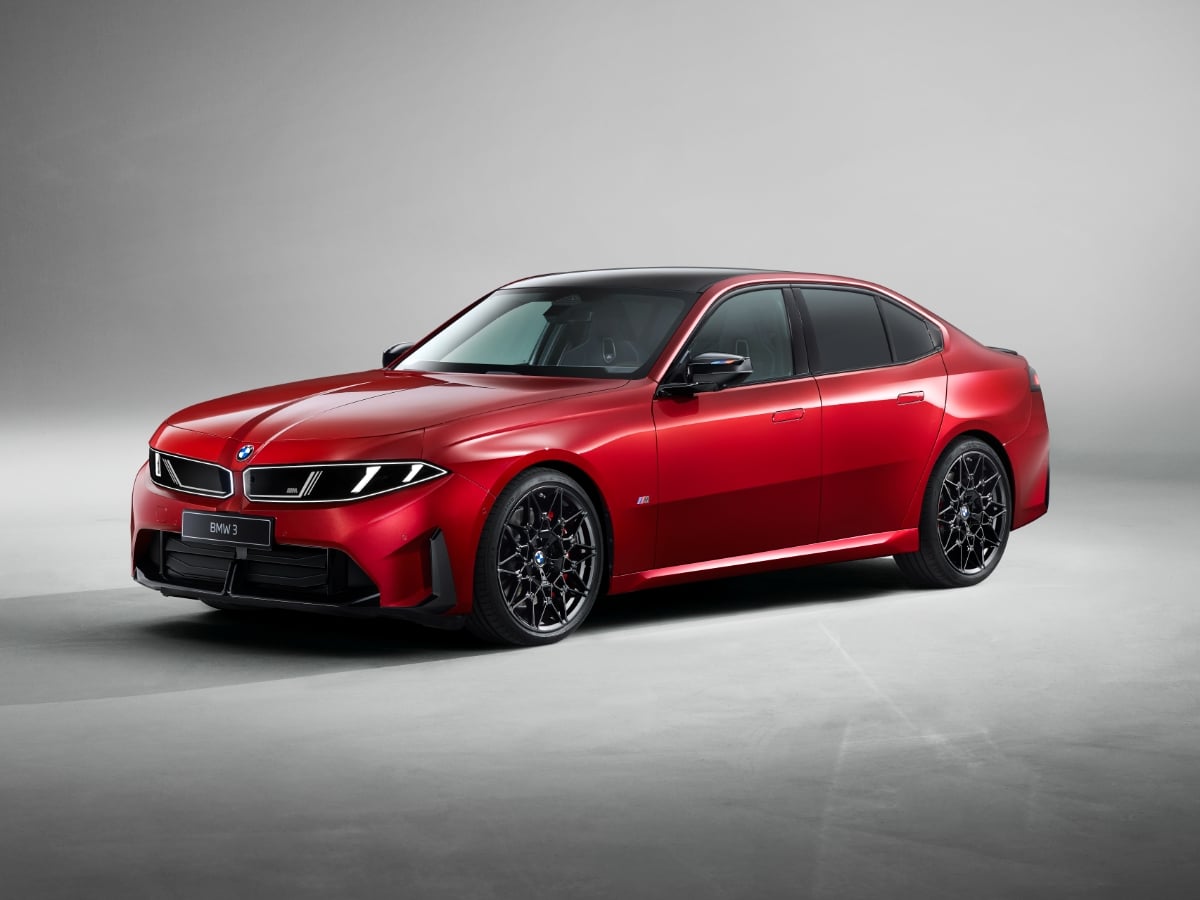
Part of BMW’s Neue Klasse (new class) rollout of redesigned models, the 2027 BMW 3 Series is all-new and goes on sale in the first quarter of 2027.
Read the Full Article