
The key reason people lower their cars today is to stand out on the road and ramp up their ride’s style quotient. As this is a strictly aesthetic procedure, you may wonder how much it’ll cost to get your car lowered. Let’s find out more.
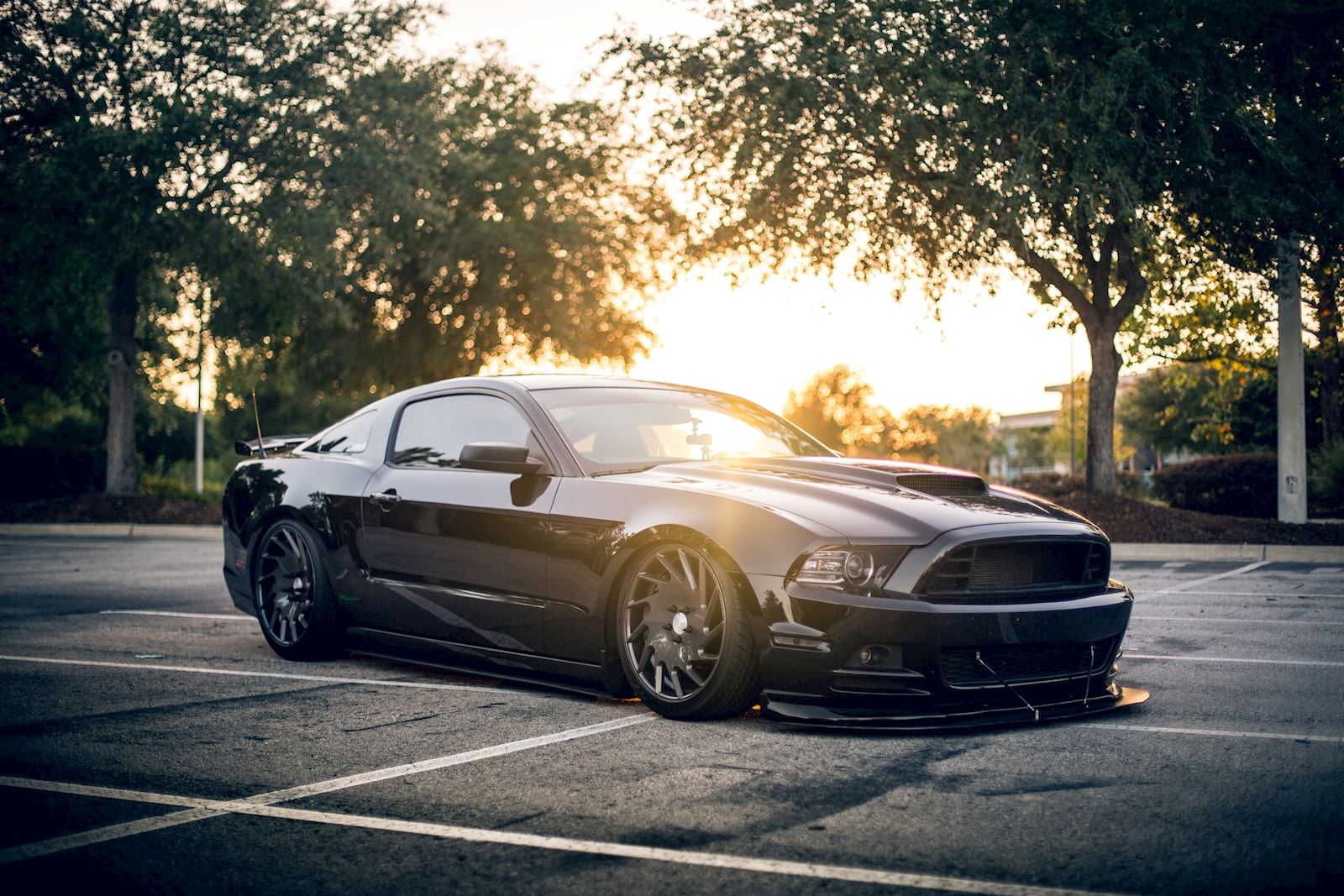
In any tuning discipline, there are classic (and quite expensive) ways of modification and cheaper imitations. Let's discuss different lowering options, focusing on the price.
This does not even require removing the springs. It’s the easiest way to lower your car. You can jack up the car, remove the wheels, and pull the springs and saw off a couple of coils. The whole weight of the car then falls on the springs, which have lost the support of coils. However, the service life of coils and other running gear parts is reduced. The body itself can become deformed over time.
You can buy shorter springs at the market for around $100 to $300. You can remove the stock coil springs and replace them with shorter springs, or take your springs to a spring shop and have the coils softened and shortened.
Leaf springs consist of thin strips of spring steel banded and bolted together. Remove the leaf springs from the rear suspension of the vehicle. Take them to a spring shop and have them de-arched for about $80.00, or use a reverse shackle.
Another option is reversing the set-up by placing the axle on top of the leaf spring, a flip kit. A home mechanic can do this with standard hand tools.
Couple the flip kit with lowering blocks to get an even greater drop. These are available online or from your local auto parts store. They come in differing heights, enabling the vehicle to drop extremely low. You may have to install a C-notch above your real axle, depending on how low you go. The purpose of the notch is to give you a greater clearance between your frame and axle.
The most common type of suspension for lowriders is air suspension. The metal springs are replaced by a strong rubber bag in air springs. The bag is connected to an air reservoir and a compressor, which can instantly pump air into or out of the bag, thus raising or lowering the car accordingly. Air springs are so popular because they provide a smooth ride and are fairly easy to install.
A hydraulic cylinder is the most expensive option for lowering your car. Hydraulic suspension allows you to adjust ground clearance. The labor cost involved depends on the system's complexity. Simple systems cost around $400, while a more sophisticated setup can cost more than $1,000 for the parts.
While air suspension uses an airbag to replace its classic springs, hydraulic suspension uses a hydraulic actuator, a cylinder that can quickly fill with fluid. The cylinder is connected to a compressor that shoots fluid into it, causing the cylinder to expand quickly.
This option has a couple of cons. Hydraulics fail pretty quickly (especially if you save money and buy a Chinese set of elements), and repairs can cost a lot.
Remember that due to the tuning, lowriders have their own particular needs. The rubber pads in the suspension are pretty strong but must be checked regularly for leaks. If the suspension is adjustable, it uses hoses to raise or lower the car, and leaks can occur in those hoses.
Since most lowriders are show cars, their owners are not bothered by how well they will behave on the road or how much fuel they will consume. However, if you use a lowered car daily, there is a list of potential issues you’ll need to look out for, including speed bumps, railroad crossings, broken streetcar tracks, curbs, potholes, steep rises, and falls. Make sure to avoid all those on the road.


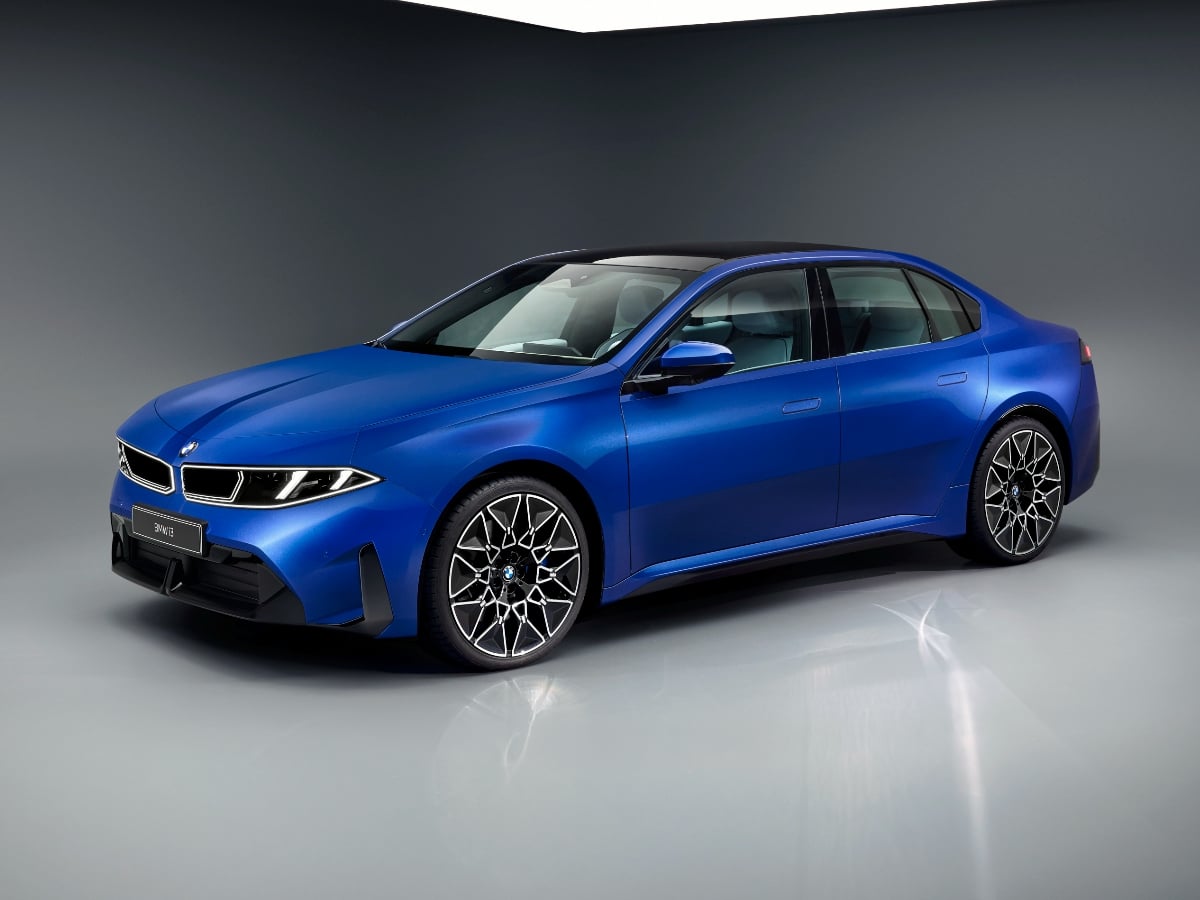
The new 2027 BMW i3 boasts an estimated range of up to 440 miles, 400-kilowatt DC fast charging capability, bidirectional charging to a home or the grid, and next-generation technology.
Read the Full Article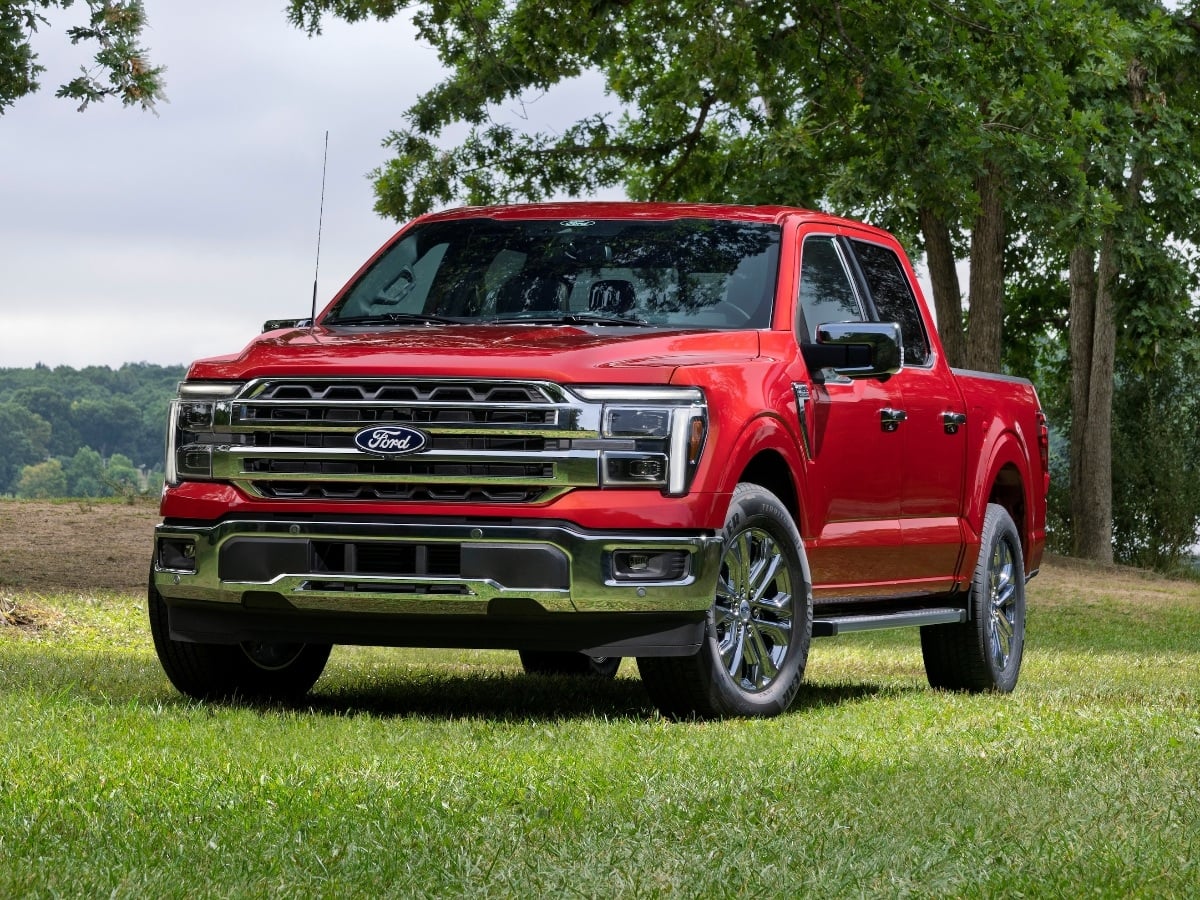
Facing renewed competition in the full-size, light duty pickup truck segment, the 2027 Ford F-150 receives subtle styling updates, a new standard engine, broader availability of its 5.0-liter V8, and ...See More
Read the Full Article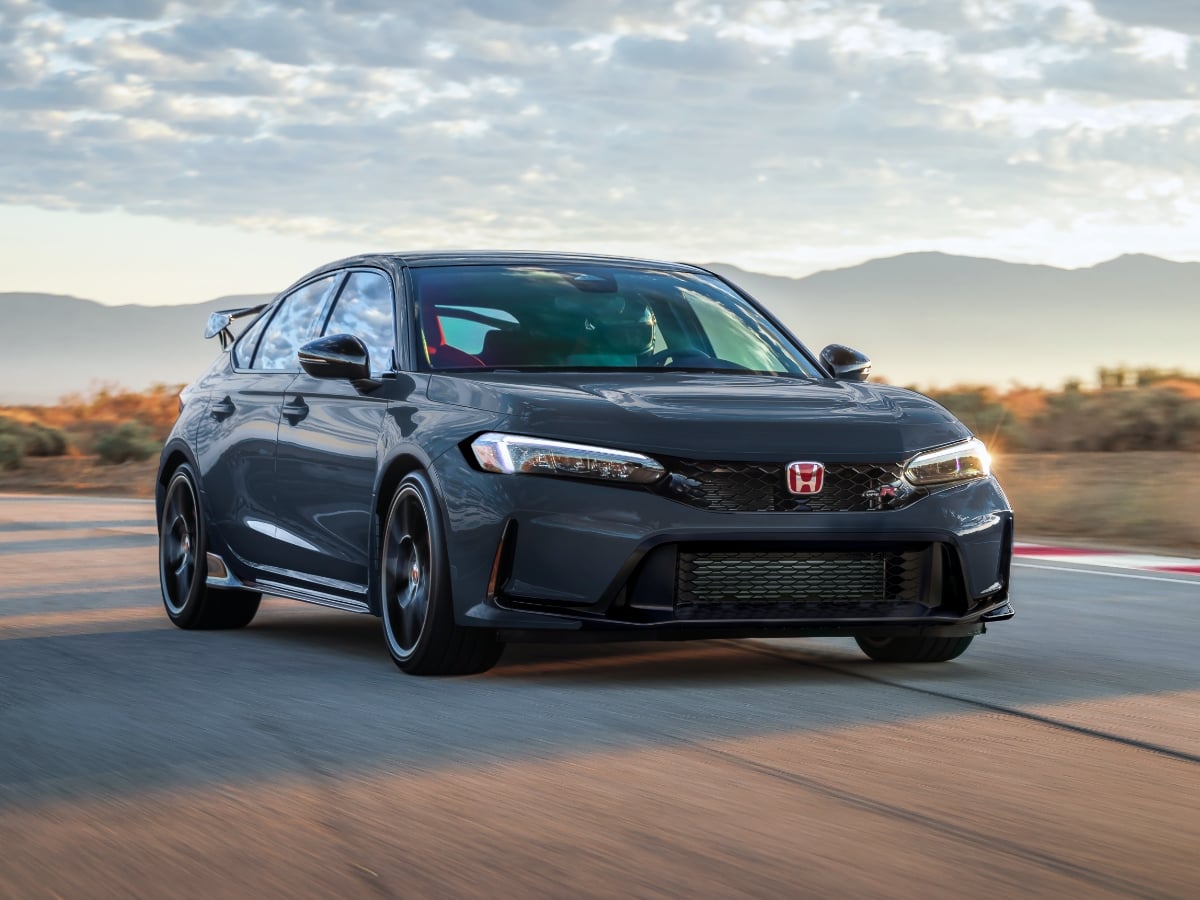
The 2027 Civic Type R goes on sale in October 2026, and it starts at $49,990, including the $1,295 destination charge.
Read the Full Article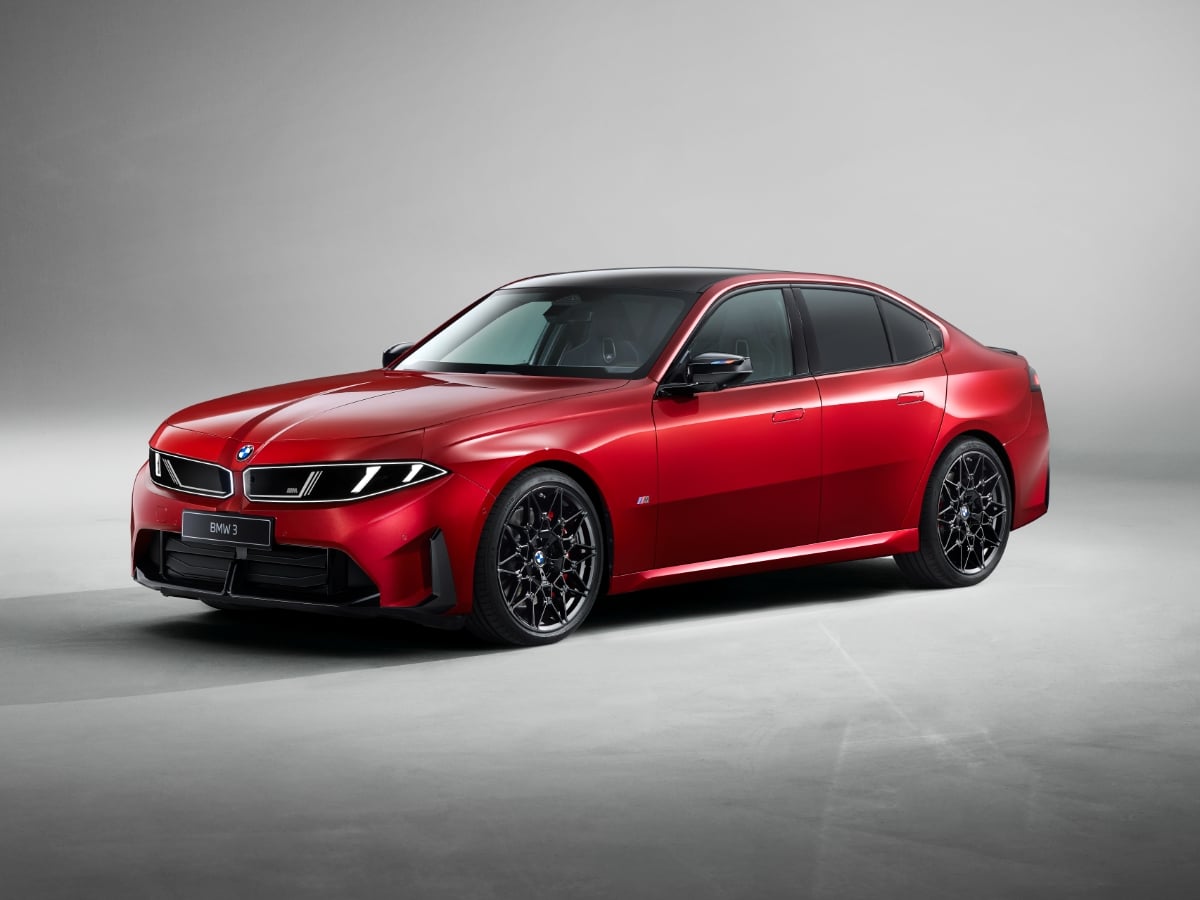
Part of BMW’s Neue Klasse (new class) rollout of redesigned models, the 2027 BMW 3 Series is all-new and goes on sale in the first quarter of 2027.
Read the Full Article