
Tire pressure sensors reflect a tire snag's development and alert the driver that the issue needs immediate attention. A vehicle runs smoothly on tires, and your driving safety will undoubtedly be at stake if they are not in optimum condition.

Even though it’s not pleasant to see the ‘low tire pressure” warning signal on the vehicle’s dashboard, you should become alarmed if you haven’t seen it for a while. If it doesn’t come on, you should look into the issue thoroughly; this article can help you with that.
The tire pressure monitor system (TPMS) alerts you when your tires are under-inflated. There Are two main types of such systems, but no matter the situation, they all work with the help of sensors installed within the car. They warn the driver whenever they detect low pressure by illuminating a designated light on the dash.
However, as mentioned, there are several system types, and the process of detecting low pressure differs based on that. In direct TPMS, the sensors are installed within each tire, and the system activates the light when the pressure drops below 25%. But if it’s an indirect one, the system works with ABS speed sensors and tracks tire rolling. If the pressure is low, the tire will roll more slowly than others, and it will effectively pick up on that.
A couple of reasons may contribute to the rapid degradation of the TPMS sensors:
Apart from these, there could be other problems in the system, and you could try resetting it if the TPMS light is always on. If that doesn’t help, the sensors or other components may be at fault, and you should visit an auto shop.
The overall cost of replacing a sensor will depend on the make and model of your vehicle. Getting a replacement will quickly get expensive if it’s a luxurious car. Plus, if not just one sensor is faulty, and you have to replace, if not all, then at least several of them, expect the repair job to set you back by a significant amount. Aside from that, labor costs will heavily impact the final sum. And, combining everything, you would have to spend between $40-$100 on replacing just one sensor.
However, just as mentioned, the system may act up. So, if you’re annoyed by the light being constantly on, measure the current pressure using the gauge, check the car manual to find the optimum pressure level, and compare the reading you have obtained. If the gauge reading exceeds or is below the expected value, inflate or deflate the tires.
After doing this, check the tire pressure light on the dashboard. Usually, the light automatically switches off, but if it is still on, you will have to reset it if it is still on. You can reset the light by turning the key on and not starting the engine. After that, press the “TPMS” button and hold until the light blinks three times. The light should come off, and you can release the button.
Whenever there’s a persistent issue with the TPMS system, you shouldn’t hesitate to fix it. Driving on flat or underinflated tires is never a good idea and could lead to severe accidents where you’d be at fault.
Before blaming the sensors if the TPMS light acts up, check the pressure manually and inflate/deflate the tires as needed. If this doesn’t help, try resetting the system, as it may just be a software glitch. But, if nothing helps, the only logical solution would be to drive up to the auto shop, where the mechanics will determine if the problem lies in your sensors or other components.


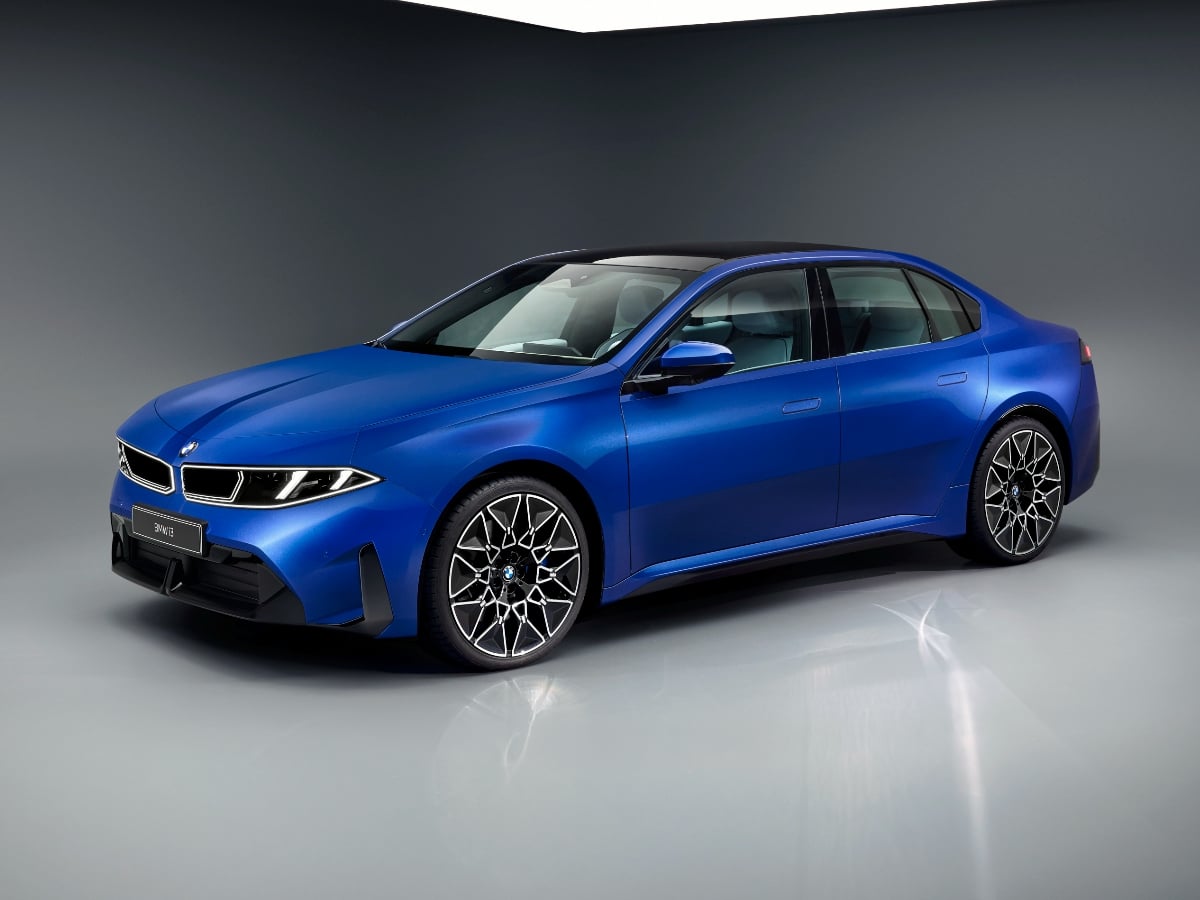
The new 2027 BMW i3 boasts an estimated range of up to 440 miles, 400-kilowatt DC fast charging capability, bidirectional charging to a home or the grid, and next-generation technology.
Read the Full Article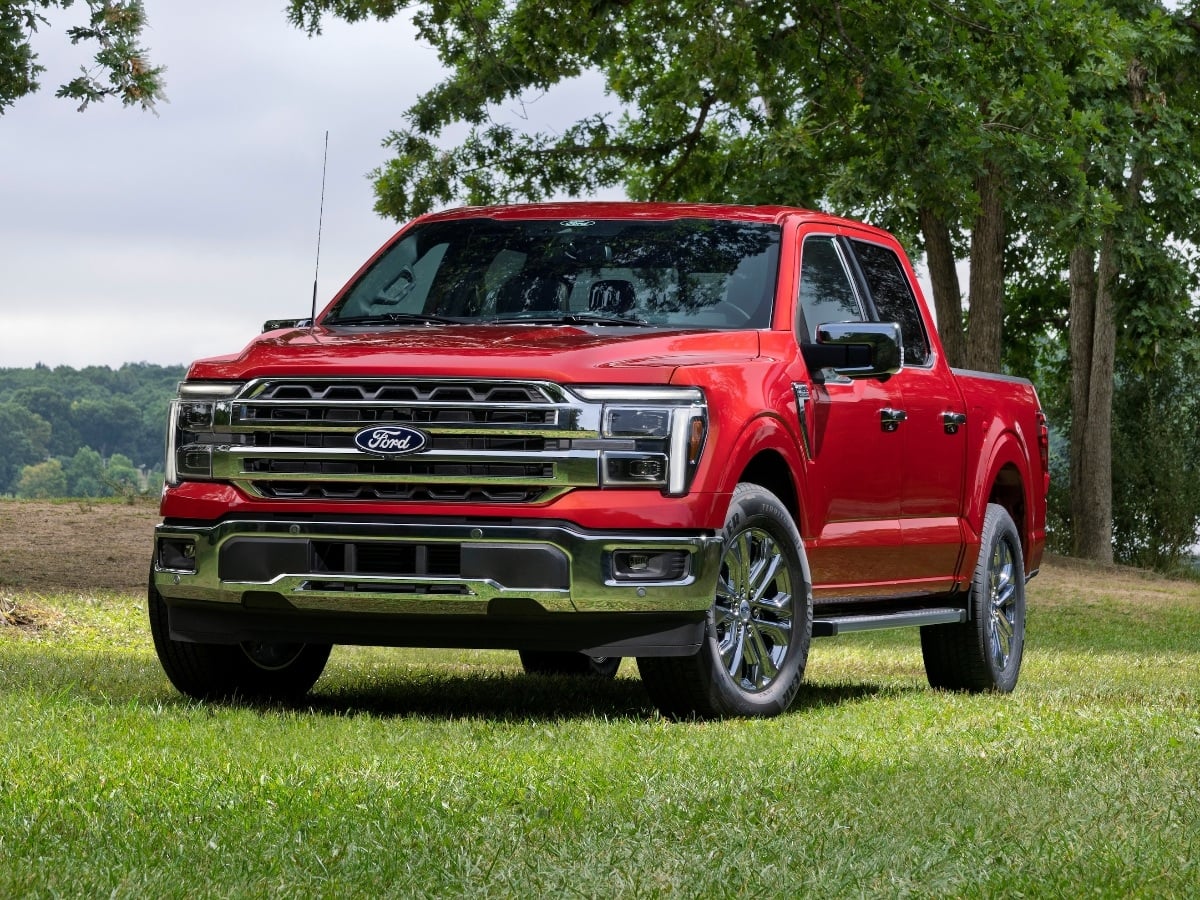
Facing renewed competition in the full-size, light duty pickup truck segment, the 2027 Ford F-150 receives subtle styling updates, a new standard engine, broader availability of its 5.0-liter V8, and ...See More
Read the Full Article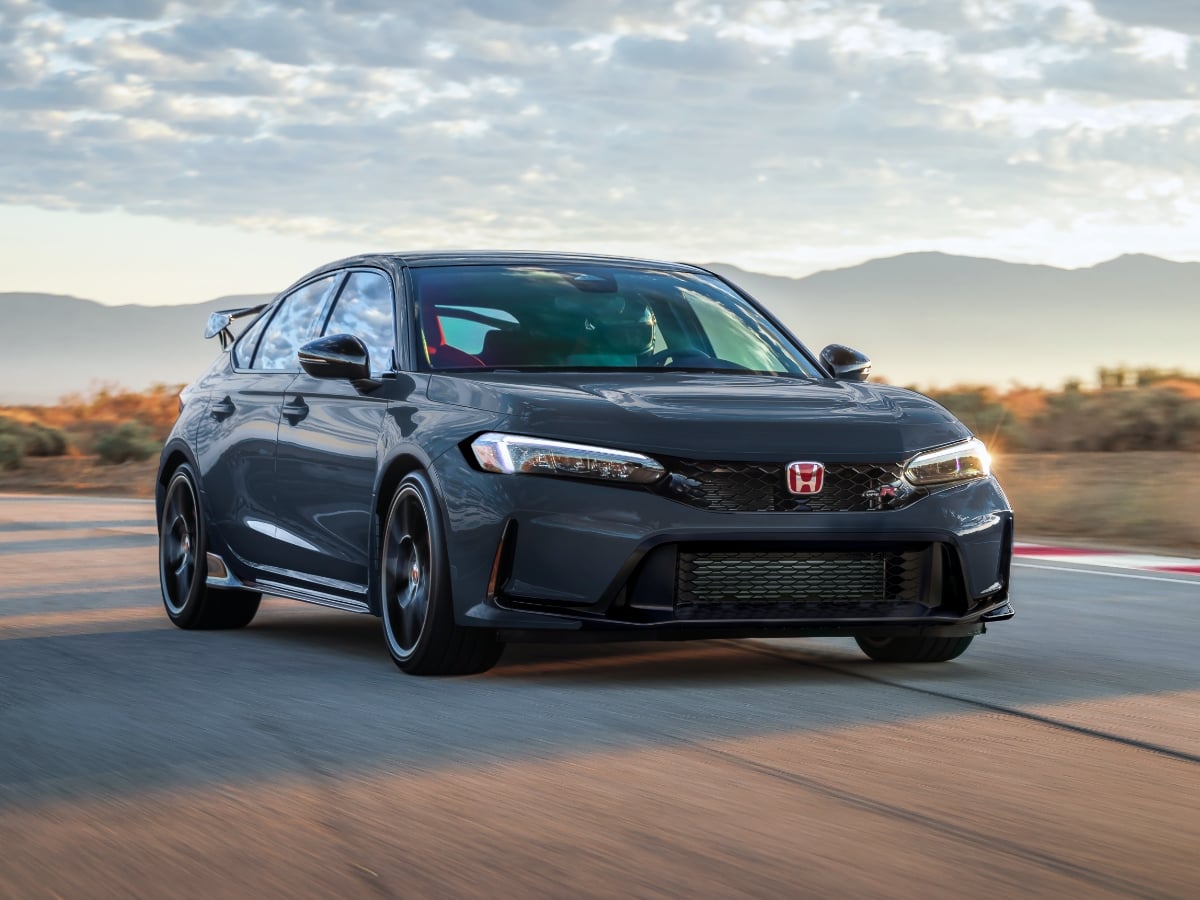
The 2027 Civic Type R goes on sale in October 2026, and it starts at $49,990, including the $1,295 destination charge.
Read the Full Article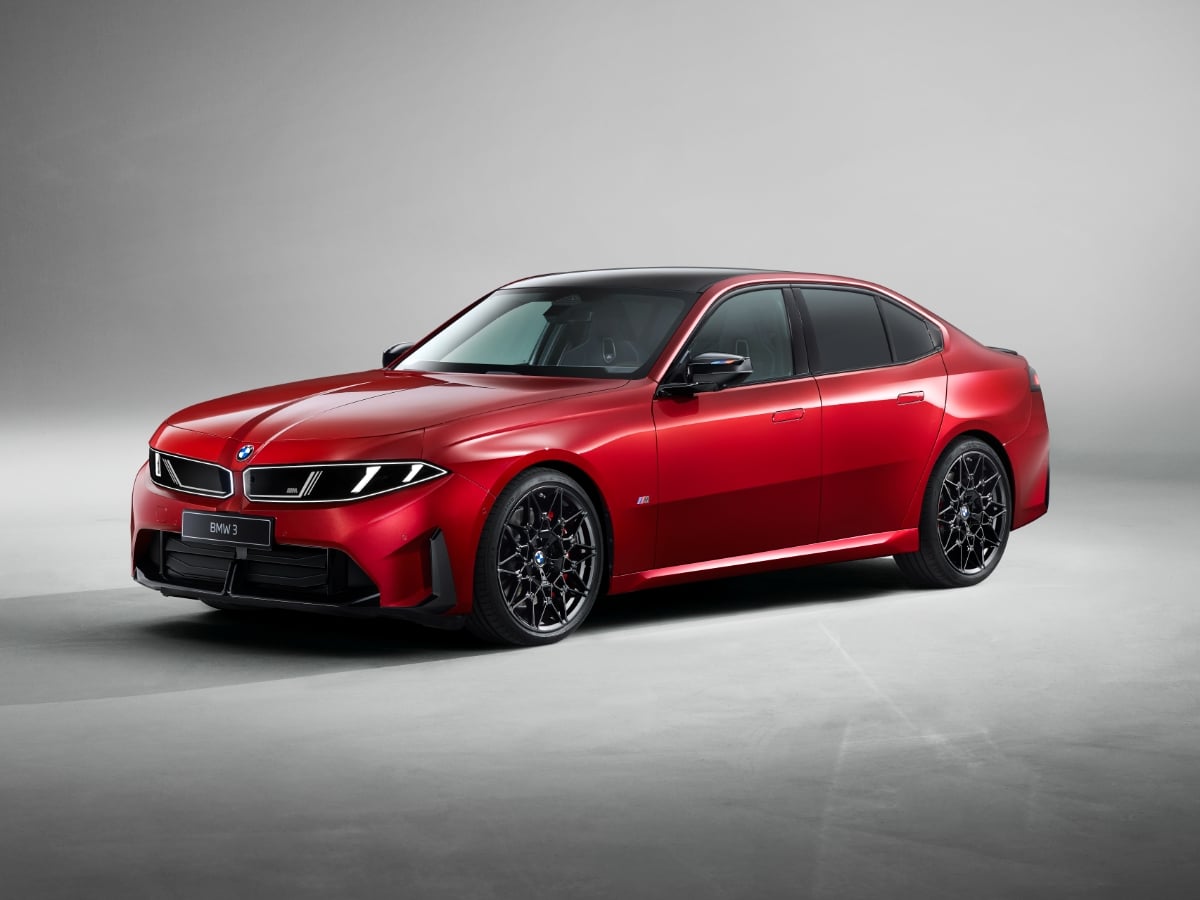
Part of BMW’s Neue Klasse (new class) rollout of redesigned models, the 2027 BMW 3 Series is all-new and goes on sale in the first quarter of 2027.
Read the Full Article