
Trucks are big, we all know that. But some trucks are larger than others, and when a fully-loaded semi roars down the highway, you can feel the rumble from hundreds of yards away. With the exception of some custom, specially-made vehicles like SpaceX’s rocket transport, semi-trucks are often the largest vehicles on the road. But while many of us have a good idea of how big they are, how many of us know how heavy they are?
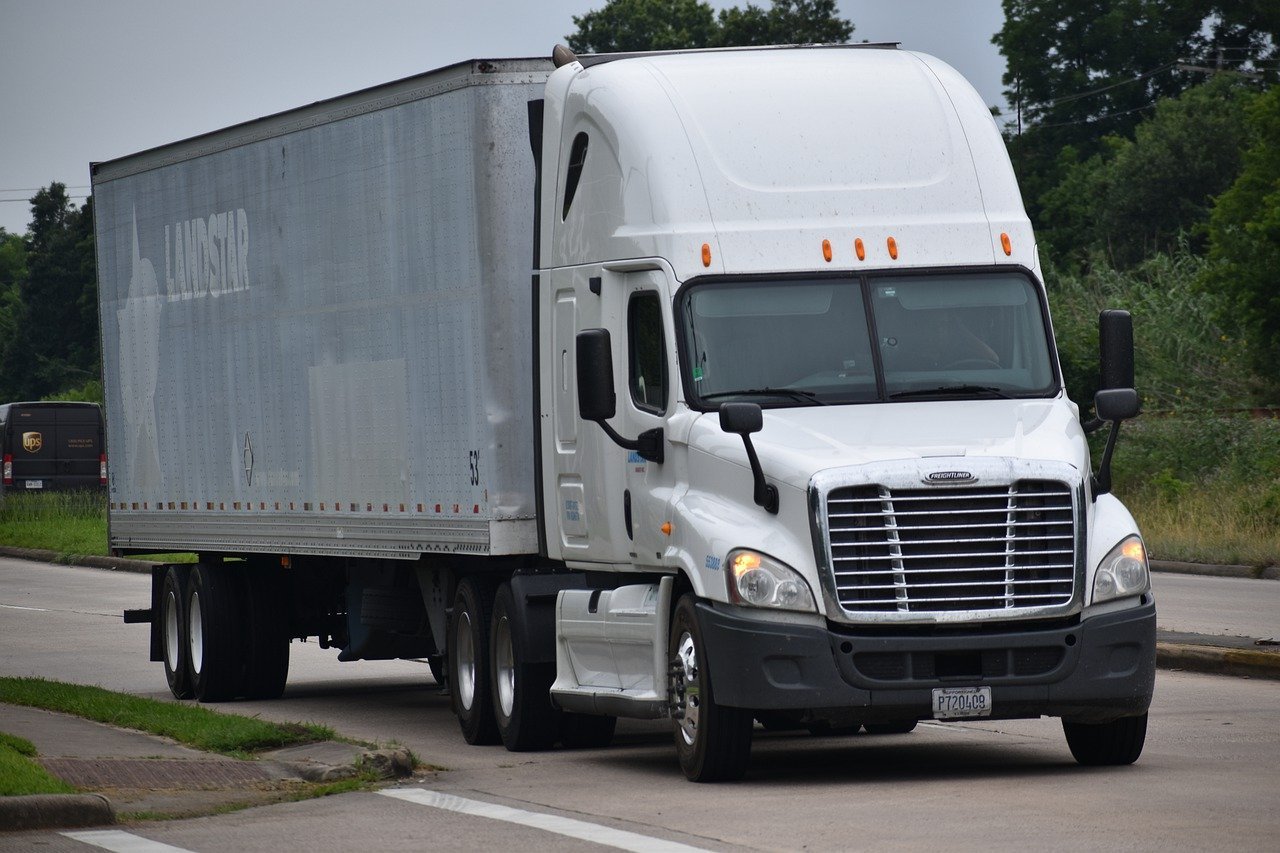
We have taken the liberty to put together a brief guide on how much a semi-truck weighs and the methods employed to determine these figures. So let’s get started!
There are two ways to measure the weight of a semi-truck.
The first is to simply measure the combined weight of the tractor and trailer. This figure represents a semi’s unladen weight.
The other measurement is the laden weight, which represents how much the truck weighs when it’s fully loaded.
The laden weight will vary depending on the load. For example, a truck full of empty water bottles weighs a lot less than a truckload of full ones. Semi-trucks have a gross vehicle weight rating (GVWR) that specifies their maximum weight.
The GVWR includes the weight of the truck, cargo, fuel, passengers, and anything else on board or attached to the vehicle. Under US federal law, the maximum laden weight for semis is 80,000 pounds. Some heavier-duty trucks may have a higher GVWR for safety, but it remains illegal to load them past 80,000 pounds.
The unladen weight of a semi-tractor can vary between 10,000 and 25,000 pounds, depending on how powerful the engine is, how much it’s designed to tow, and whether or not it’s a sleeper cab. An unladen 53-foot trailer weighs about 10,000 pounds, accounting for a total unladen weight of about 35,000 pounds.
Trucks are sorted into different classes, depending on their GVWR. The lightest classes (1-3) are small vehicles like minivans, SUVs, and pickup trucks. These are generally personal, non-commercial vehicles (although many pickups are used for commercial purposes).
Classes 4-6 include medium-duty trucks with a GVWR between 14,000 and 26,000 pounds. Class 6 trucks have a GVWR of 19,500-26,000 pounds and are the heaviest class that can be driven legally without a CDL. Larger single-axle box trucks also fall into this category, making them a popular choice for rental companies.
Class 7 trucks are triple-axle vehicles that weigh up to 33,000 pounds. In addition to the colossal box trucks mentioned above, vehicles like city buses and garbage trucks fit into this class.
Semi-trucks, or trucks with more than three axles and 33,000 pounds in GVWR, fall into class 8, the heaviest class of vehicles recognized by the Department of Transportation.
It likely goes without saying that even unladen semi-trucks can take much longer to stop than a standard car due to their massive weight.
At highway speeds of 65 miles per hour, the average car can come to a complete stop in about 300 feet. On the other hand, a fully loaded semi can travel as far as 600 feet before coming to a complete stop, and this distance can be even further when you account for conditions like rain, ice, or snow.
For this reason, it’s essential you never cut off a semi in traffic and avoid abruptly stopping in front of them whenever possible. Doing so may create a dangerous situation that puts your and other’s lives in peril.
As we highlighted above, there are several ways to measure a semi-truck’s weight, and the maximum legal weight for a fully-loaded semi in the United States is 80,000 pounds. The lowest unladen weight is roughly 25,000 pounds, but will typically be closer to 35,000. While there will be exceptions across the board, we hope this generalization will help shed some light on these large, powerful vehicles.
To learn more about trucks, cars, and all things automotive, stick around and read more of our guides!


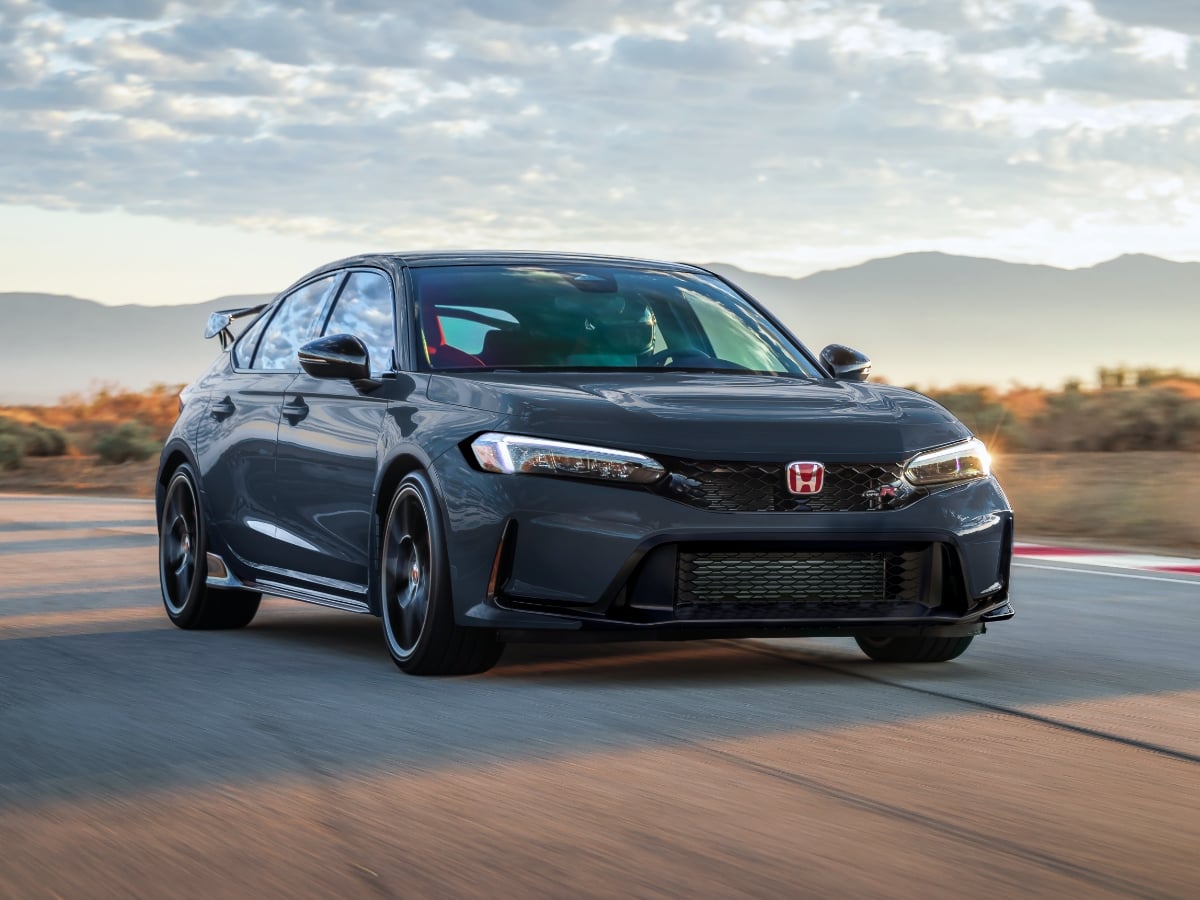
The 2027 Civic Type R goes on sale in October 2026, and it starts at $49,990, including the $1,295 destination charge.
Read the Full Article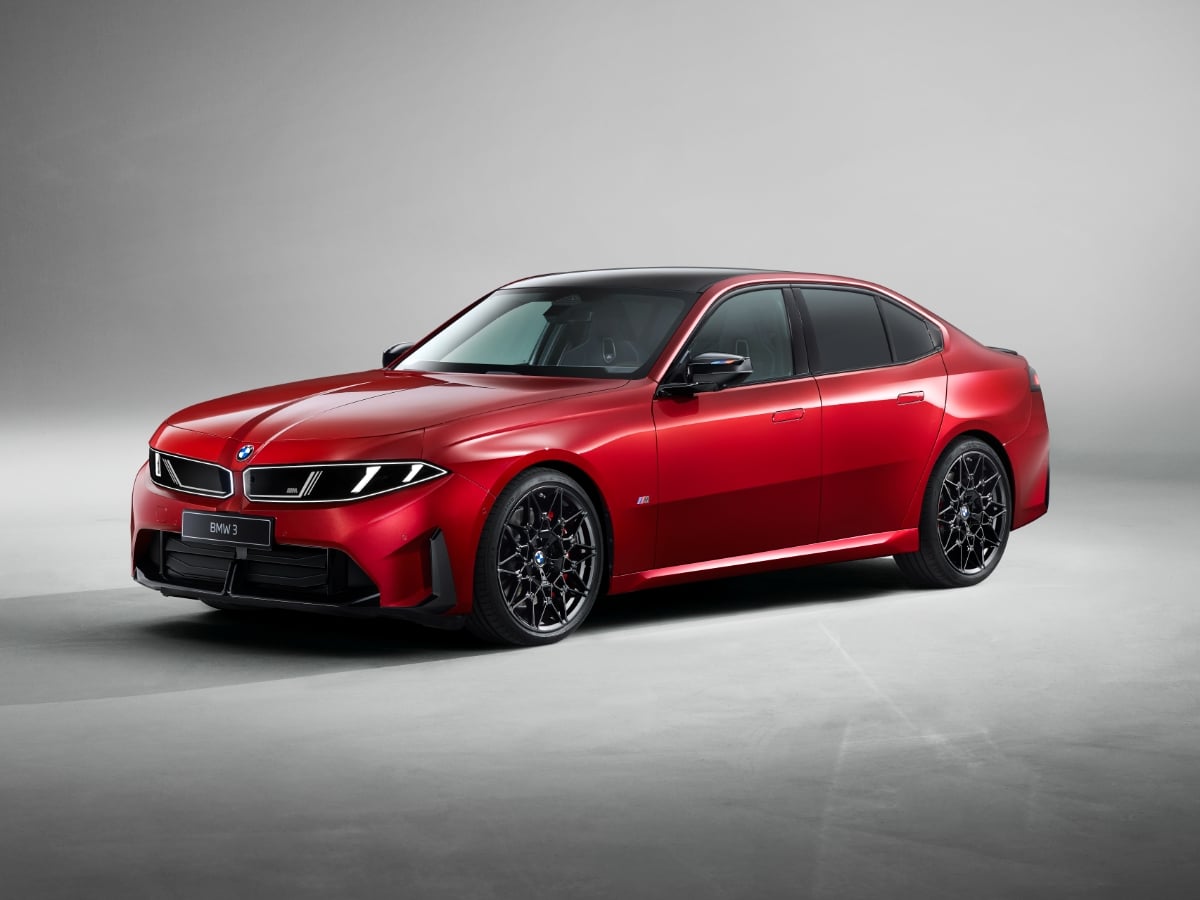
Part of BMW’s Neue Klasse (new class) rollout of redesigned models, the 2027 BMW 3 Series is all-new and goes on sale in the first quarter of 2027.
Read the Full Article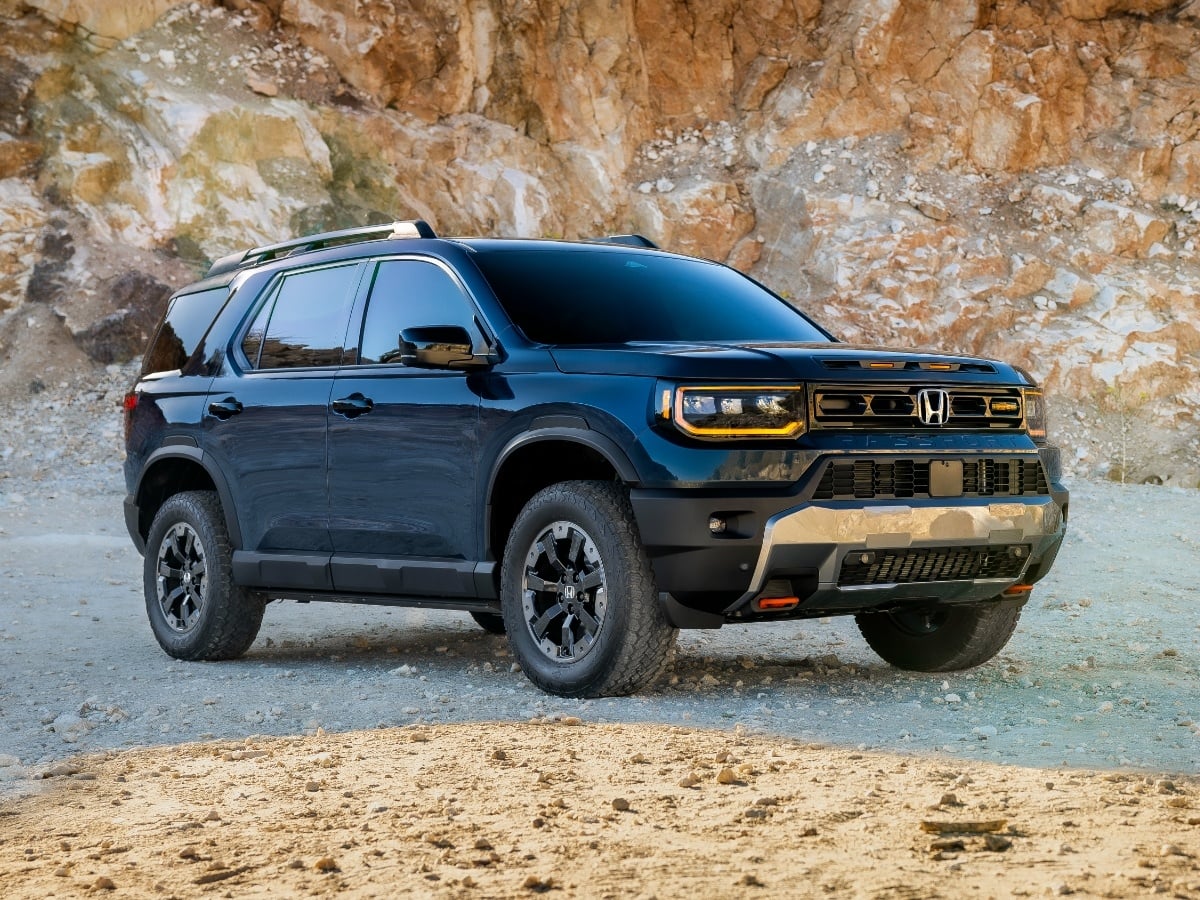
Updates to the 2027 Honda Passport TrailSport include a reworked suspension, improved steering, subtle styling enhancements, and added standard equipment.
Read the Full Article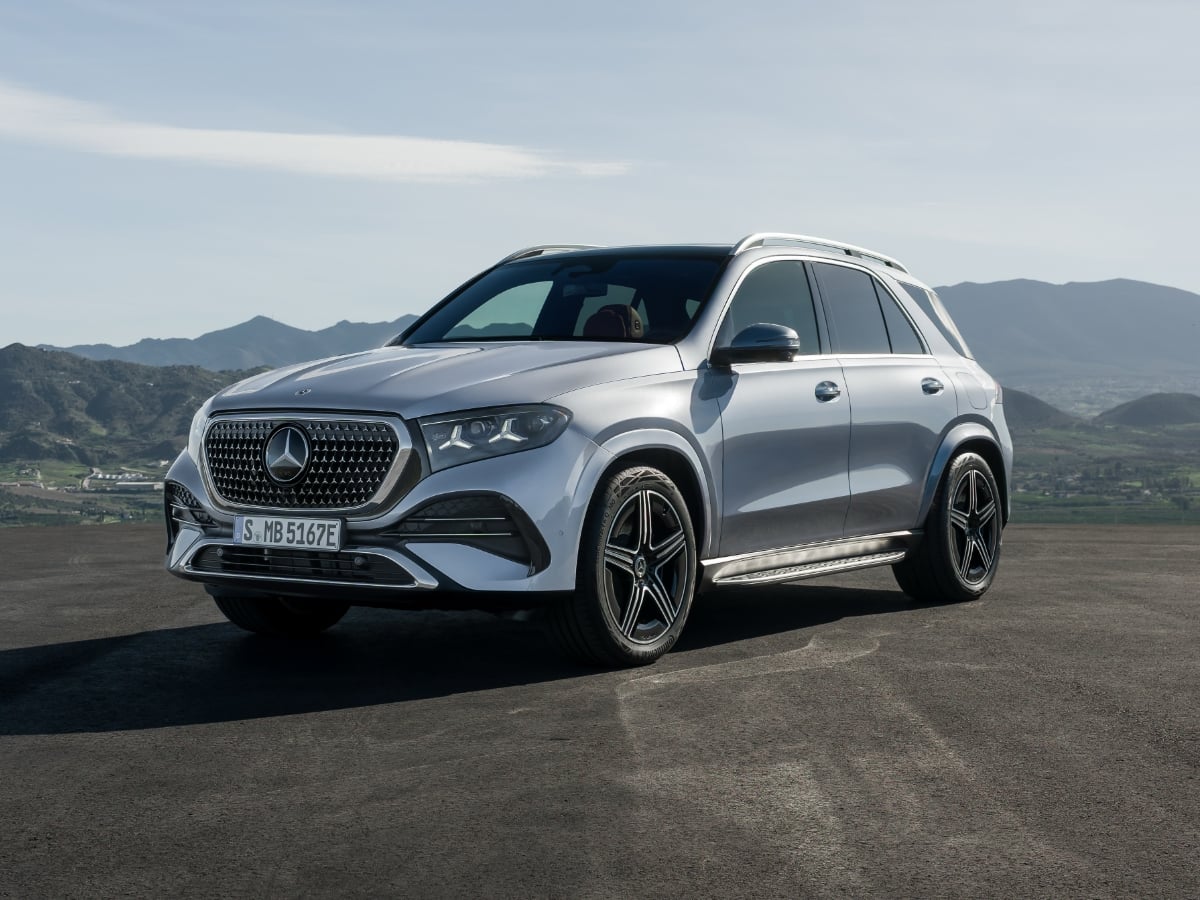
The midsize 2027 Mercedes GLE remains available in original and spicy Coupe recipes, now with standard 4Matic all-wheel drive (AWD), MBUX Superscreen technology, and a panoramic glass sunroof for ...See More
Read the Full Article