
Fortunately for drivers, modern cars are designed to last much longer than earlier models. This certainly gives buyers more options when it comes time to purchase a used vehicle. However, despite the manufacturer’s effort to create the most durable components, failures are somewhat unavoidable. When researching a used vehicle, mileage can be a strong indicator of the state of the engine, transmission, suspension, and other key components. With the increase in the number of electronic parts that make up the modern car, determining the mileage limit has become more challenging.

To adequately explain how mileage reflects on a vehicle’s state, we must consider the number of owners and maintenance records. Regular oil changes are crucial for optimal engine performance, followed by oil and air filters. Intervals in which oil needs to be changed will vary depending on the manufacturer. But generally, it’s about 10,000-15,000 miles (or once every year).
Purchasing a new car often includes a 3 to 5-year warranty, which requires the owner to service their vehicle in an authorized shop or dealership regularly. Each service log needs to have a date, current mileage, and the type of service performed, making it easy to verify. Some owners prefer the DIY approach and update the service book themselves, keeping receipts and records archived.
On the flip side, the risks involved with purchasing a used car are increased with every prior owner. An incomplete service book for a vehicle with numerous previous owners may indicate a hidden problem with the car.
With that said, certified pre-owned cars are an excellent option for prospective buyers. These vehicles are no more than five years old with under 50,000 miles on the odometer, and have been regularly serviced and maintained by the dealership.
The close relationship between the lifespan of moving parts and mileage is the reason why it’s a significant factor in a car purchase. Through regular use, your vehicle’s components naturally wear out and need to be replaced over time.
Though the value of used cars constantly depreciates, spare parts’ value often does not, and the cost of labor also remains the same. The main risk of driving a used car is that at one point, the cost of repairs will likely exceed the car’s remaining value.
One of the reasons why some drivers prefer older vehicles is because they can be driven almost indefinitely if they are well-maintained. With their robust powertrain and general simplicity, the lack of complex equipment is great for maintenance. But you sacrifice comfort, convenience, and safety features as a result.
The age-old adage is that the 100,000-mile mark was indicative of a car past its prime. But despite their complexities, modern vehicles are even more reliable, thanks to a multitude of technological advancements. In general, most modern cars can cross 200,000 miles without any major issues, provided the vehicle is being well-maintained. Considering that an average person drives 10,000-20,000 miles per year, this will account for roughly 15 years of service.
Here are some factors to consider when assessing used car mileage.
While the number of miles is important, one must also consider how the miles were accumulated.
For instance, city or around-town mileage is harsher on a vehicle than highway mileage. The consistent stop-and-go traffic provides more wear on the brake pads, rotors, and suspension. Similarly, repeated accelerating and decelerating means the transmission is constantly upshifting and downshifting. Beyond expediting vehicle deterioration, city driving exposes cars to potholes and tighter parking which makes them more vulnerable to body damage.
Conversely, highway miles affect vehicles differently than city miles and are considered better as the driving is typically smoother and more consistent causing less wear on the vehicle.
Given that highway mileage is more desirable in a used vehicle, it is good to be aware of indicators for such mileage. For instance, considering the average vehicle travels 10,000 to 20,000 miles per year, if a car’s total mileage is much higher than this average, it is most likely due to longer-distance highway travel. Thus, a two-year-old car with 80,000 miles is likely a result of significant highway mileage. Another indicator of predominantly highway driving is a vehicle with high mileage that is free of curb rash, dents, and scrapes.
Low miles can be a draw to a used vehicle, but ultra-low miles require additional scrutiny. Ultra-low mileage can be indicative of a vehicle that’s only driven seasonally or has sat for months or years on end. Cars are designed to be driven regularly, so any deviation is cause for additional questioning. Buyers should research if the car was sitting out exposed to the elements for prolonged periods or had an issue with animals under the hood. A mileage history report should give a potential buyer insight into the vehicle’s use and possible mileage discrepancies.
A harsh reality is that cars are in a constant state of degradation. Through regular service and component replacements, drivers can renew the cycle and keep their vehicles on the road. At their core, engines are built to last for hundreds of thousands of miles, so as long as the components around them are in good condition, the mileage does not necessarily have a profound effect on the car’s viability.
Often overlooked, the timing belt is a crucial element of any working engine, and it needs to be replaced every 60,000-100,000 miles. If it wears out and snaps, it can cause severe damage that could potentially total the entire engine. If you plan on owning the car for several years, consider replacing the belt yourself, or try to find a vehicle that has recently been serviced.
While the timing chain operates in the same way as a timing belt, it usually lasts two to three times longer. Some drivers prefer to never change it, as replacing it could sometimes cost more than selling or trading in the vehicle to purchase a new one.
Brake pads need to be changed every 30,000 to 70,000 miles, while the discs themselves can last up to 120,000 miles. Fortunately, brake pads are relatively inexpensive to replace, so it’s vital to invest in proper upkeep.
Uneven and sticky braking or scraping sounds when you engage the brake pedal are common symptoms of worn brakes and can appear suddenly. Often replaced in tandem with the brake pads, be sure to check the service history and condition they’re currently in when assessing a used car.
With an average lifespan of 150,000-200,000 miles, the transmission is one of the most crucial and expensive parts to both repair or replace. With regular service, drivers can prolong the life of their transmission, but it is undoubtedly a part you’d never want to replace yourself unless you were a professional.
Buying a used car can be a practical investment. New vehicles rapidly depreciate and become available to second-hand buyers at much lower rates. However, you should keep in mind how the car was maintained and the conditions it was driven in whenever you assess a used car’s mileage.
There’s no absolute number of miles that is considered too high for a used car. But consider 200,000 as an upper limit, a threshold where even modern cars begin to succumb to the years of wear and tear. The consistency of maintenance and repairs should be your primary concern when determining how many miles may be too much for a used car.
Matt Yantakosol is a lifelong automotive enthusiast and former consultant focused on the consumer aspect of the industry. He has traveled to New York, Detroit, Chicago, L.A., Paris, Geneva, Frankfurt, and Tokyo Auto Shows to track and observe the newest industry innovations. In addition to JDPower.com, Matt's writing has appeared on Pcarmarket.com.


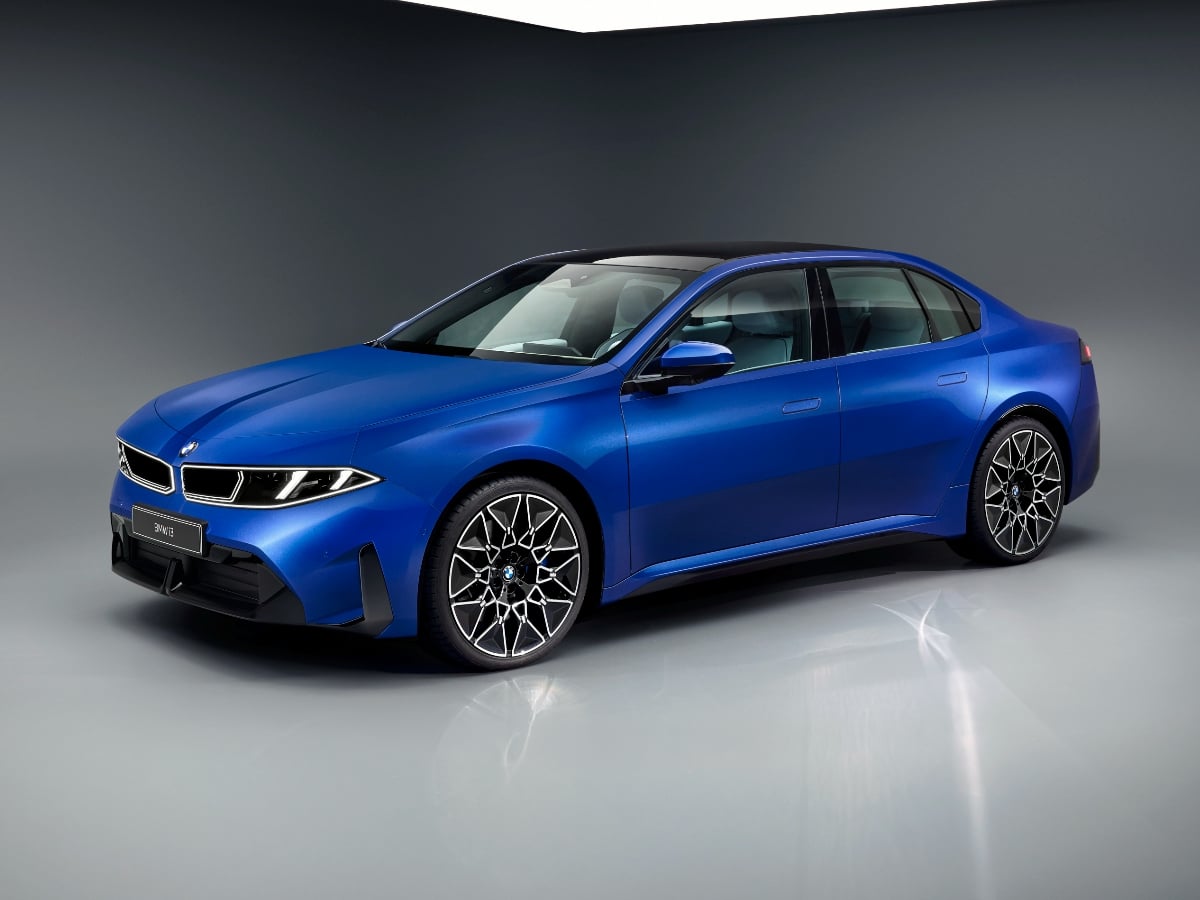
The new 2027 BMW i3 boasts an estimated range of up to 440 miles, 400-kilowatt DC fast charging capability, bidirectional charging to a home or the grid, and next-generation technology.
Read the Full Article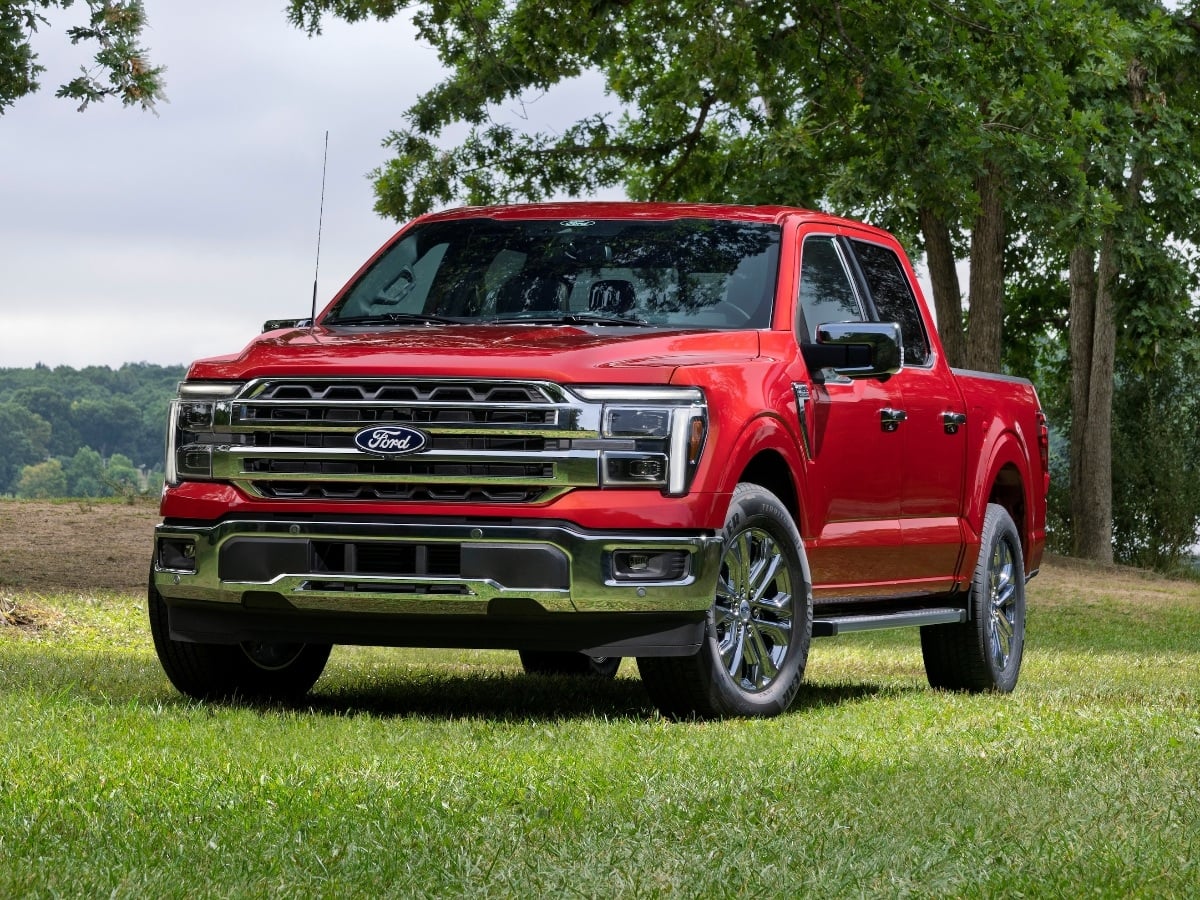
Facing renewed competition in the full-size, light duty pickup truck segment, the 2027 Ford F-150 receives subtle styling updates, a new standard engine, broader availability of its 5.0-liter V8, and ...See More
Read the Full Article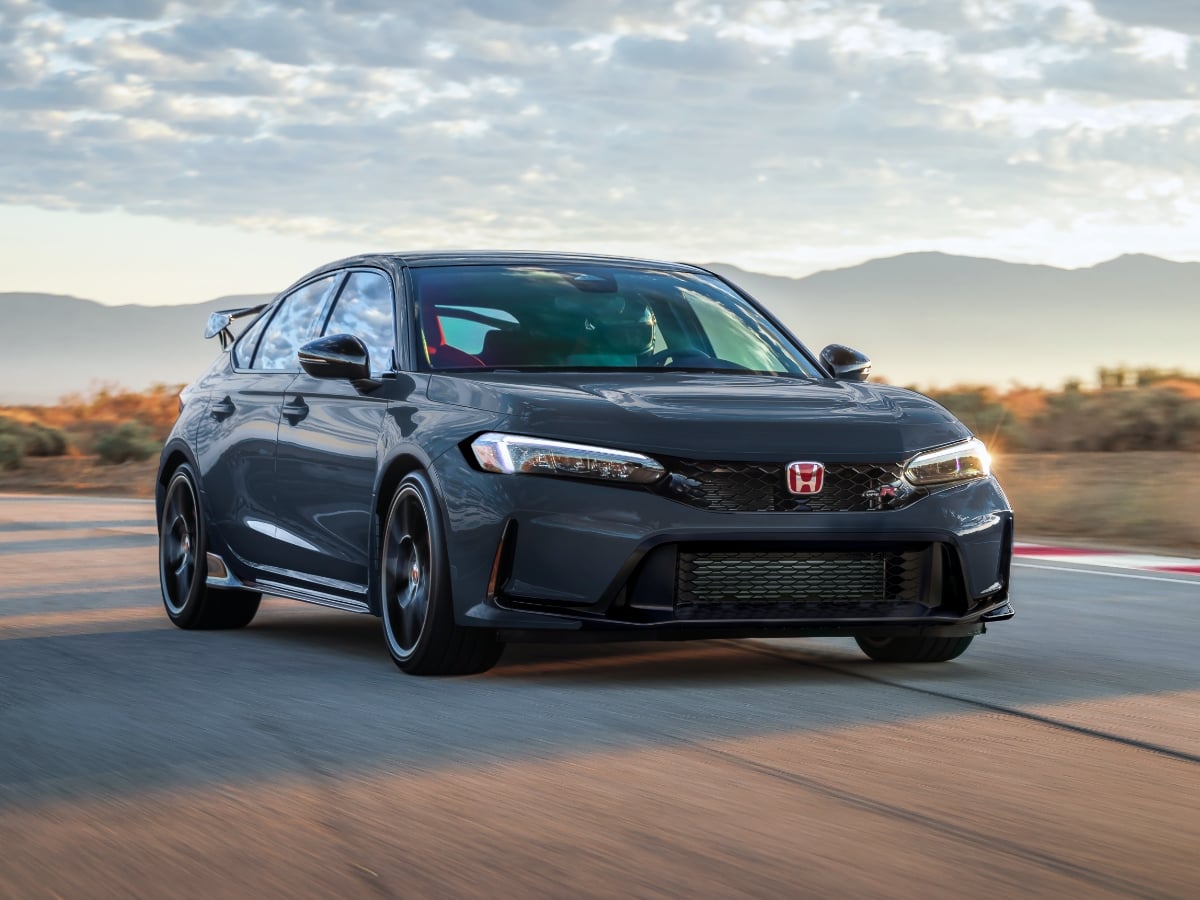
The 2027 Civic Type R goes on sale in October 2026, and it starts at $49,990, including the $1,295 destination charge.
Read the Full Article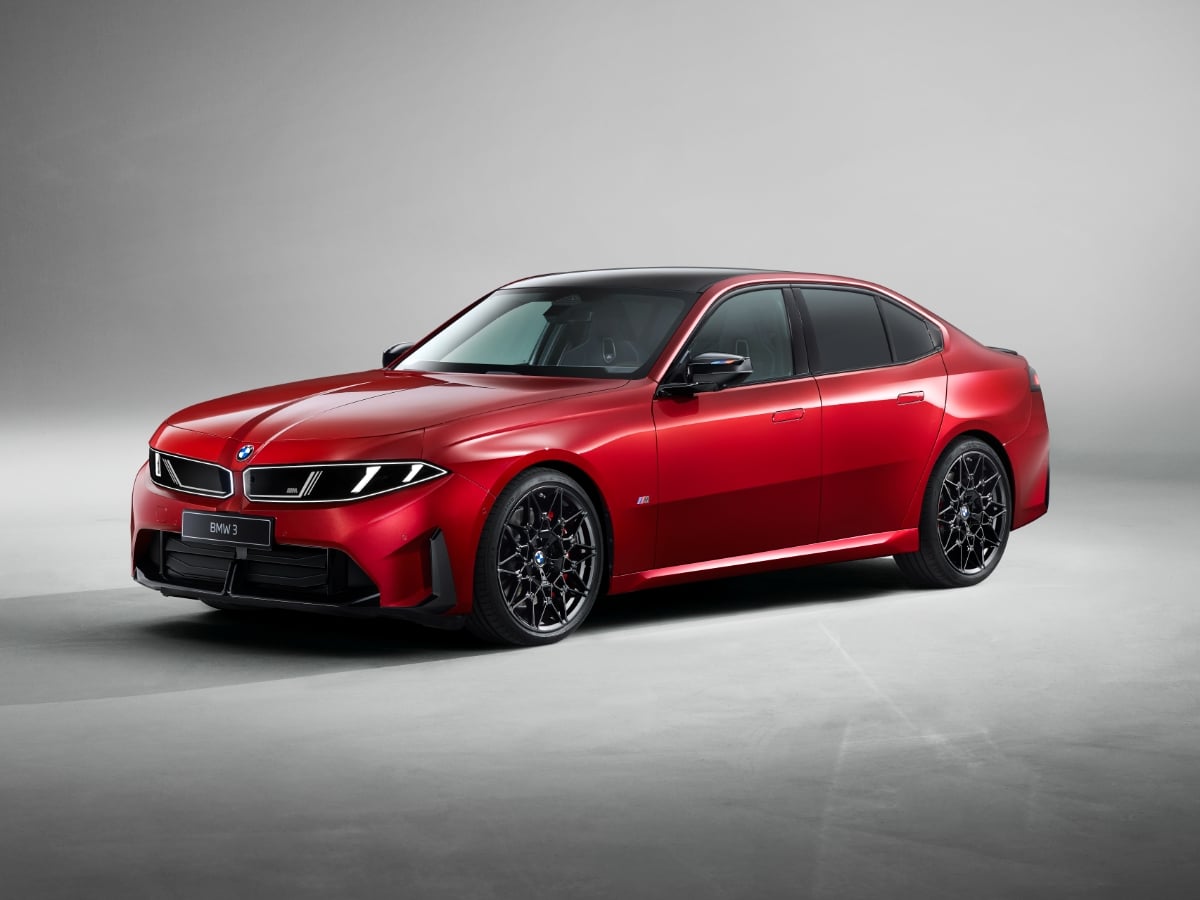
Part of BMW’s Neue Klasse (new class) rollout of redesigned models, the 2027 BMW 3 Series is all-new and goes on sale in the first quarter of 2027.
Read the Full Article