
A car can be compared to the human body and may need diagnostic tests very often. For humans, when a patient consults a doctor about a symptom, the doctor runs a medical diagnostic test to ascertain what is causing the patient’s sickness or symptoms.

Cars also have similar procedures, and a car diagnostic test identifies problems within the main components of a vehicle, such as a car engine or brakes. This article discusses a car diagnostic test and attempts to explain everything associated with the procedure.
Before the emergence of diagnostic car tests, identifying problems was time-consuming and expensive, especially considering car owners only brought their cars to mechanics after a breakdown or other severe malfunctions.
With today’s modern computerized systems, your vehicle can help determine when something is wrong long before often a major breakdown occurs. In addition to codes in your car's computerized system, stored notifications from the vehicle manufacturer and the car’s performance history help to identify areas of the car that require careful inspection during a diagnostic test. All these give the mechanic a complete picture of how to find malfunctions or faults and solve them.
A car diagnostic test is a test run to determine the cause of a vehicle’s malfunctioned part or what has triggered the check engine light to come on the dashboard. Diagnostic tests can reveal problems within a car’s engine, transmission, exhaust system, brakes, and other components and performance issues due to fuel injectors, improper airflow and coolant level, ignition coils, and throttle.
A car diagnostic test is as important as your regular medical routine checkup and should not be overlooked. To determine when to take a car diagnostic test, you should always pay attention to your car as you would to your body.
Generally, the car itself would indicate when a diagnostic test is needed. This is when the “check engine” light comes on. In that case, a diagnostic test is necessary. Also, if you notice something while driving that does not feel right, for instance, a strange sound when you crank the ignition, a diagnostic test is necessary.
The amount of time to diagnose the vehicle’s issue is relatable to a few factors. A standard diagnostic test can take about an hour to an hour and a half. Of course, more complicated problems that require further diagnosis may take more hours for testing. A diagnostic test may take about 2-4 hours, depending on the severity of the faults identified.
You do not have to wait for the “check engine” light to alarm you before you get a car diagnostic test. If you hear or feel something “off,” mechanics can use diagnostic testing to uncover the problem. They are diagnostic tools that mechanics can use to accelerate the repair process by assessing issues quickly and efficiently. However, many mechanics recommend taking your car for a diagnostic test once every season (quarterly).
Diagnostic testing should be employed when you want to buy a used car. Private car sellers and professional car dealers should agree to a diagnostic test before they commit to selling a car, and if they do not, that is a clear sign you should walk away from the deal.
A car diagnostic test is a test run to determine the cause of a vehicle’s malfunctioned part or what has triggered the “check engine” light to come on the dashboard. Generally, the car itself would indicate when a diagnostic test is needed.
A diagnostic test helps the mechanic detect faults or malfunctions that could result in severe fatalities. A standard test can take about an hour to a half, or even 2-4 hours, depending on the severity of issues identified.
The general rule of thumb is when you hear or feel something “off,” you should go for some diagnosing. So, drive to the nearest auto shop, and let a professional take a look at your car and determine the problems you’re having with the vehicle.


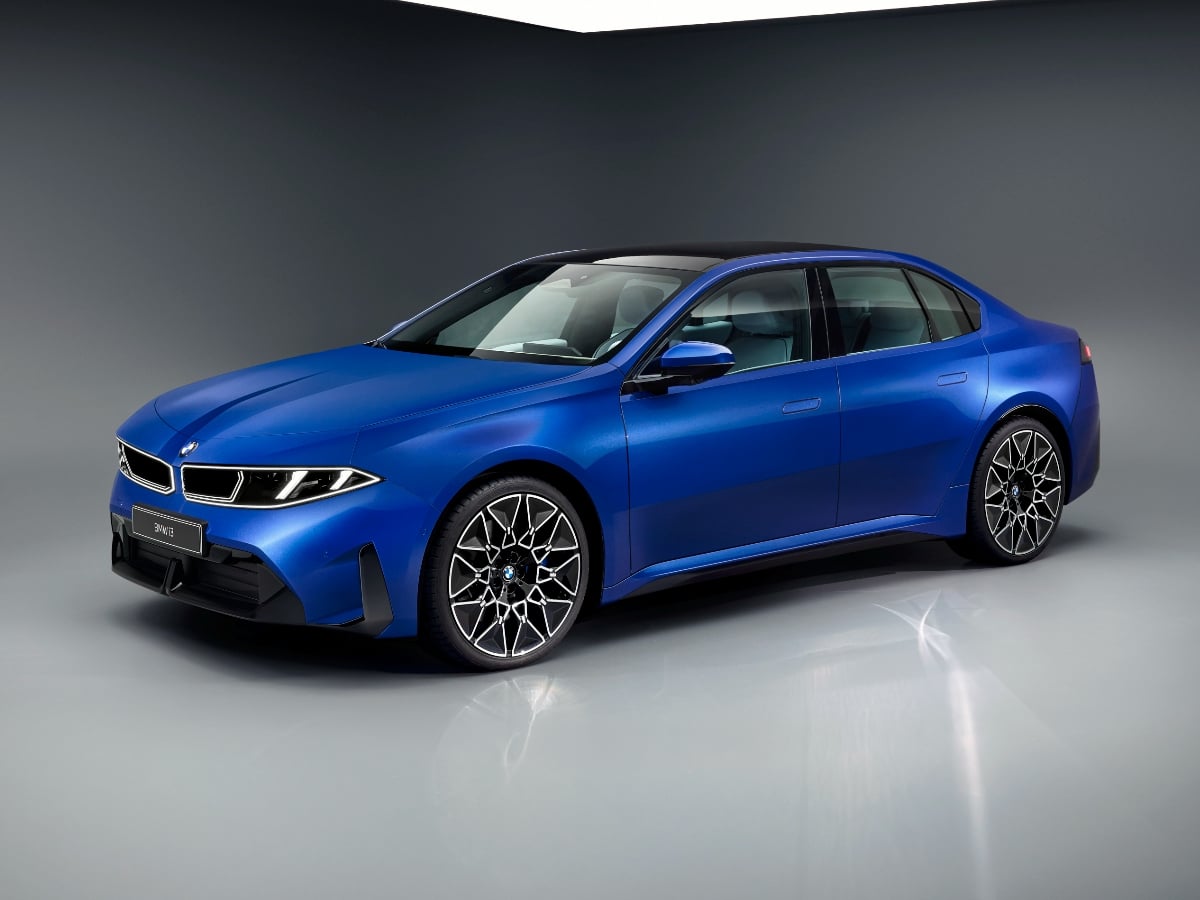
The new 2027 BMW i3 boasts an estimated range of up to 440 miles, 400-kilowatt DC fast charging capability, bidirectional charging to a home or the grid, and next-generation technology.
Read the Full Article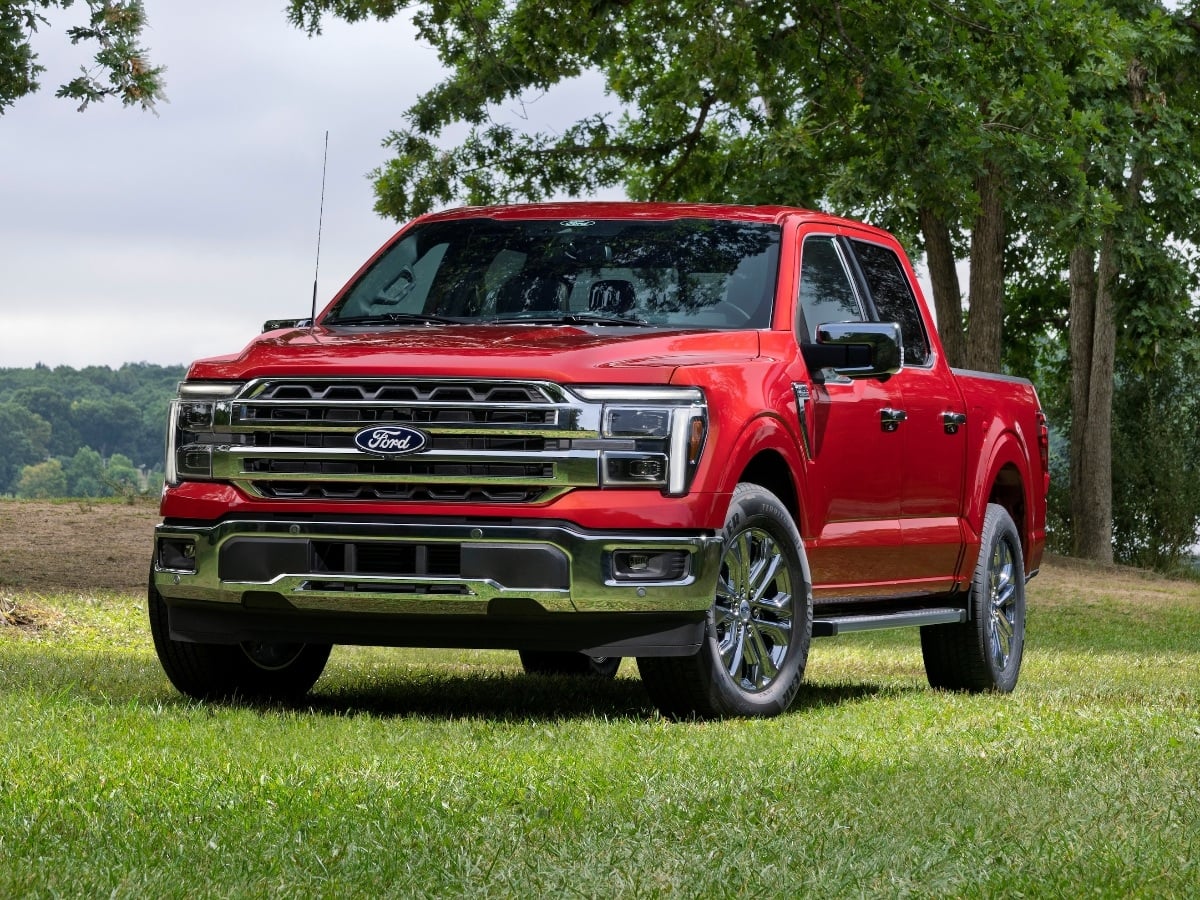
Facing renewed competition in the full-size, light duty pickup truck segment, the 2027 Ford F-150 receives subtle styling updates, a new standard engine, broader availability of its 5.0-liter V8, and ...See More
Read the Full Article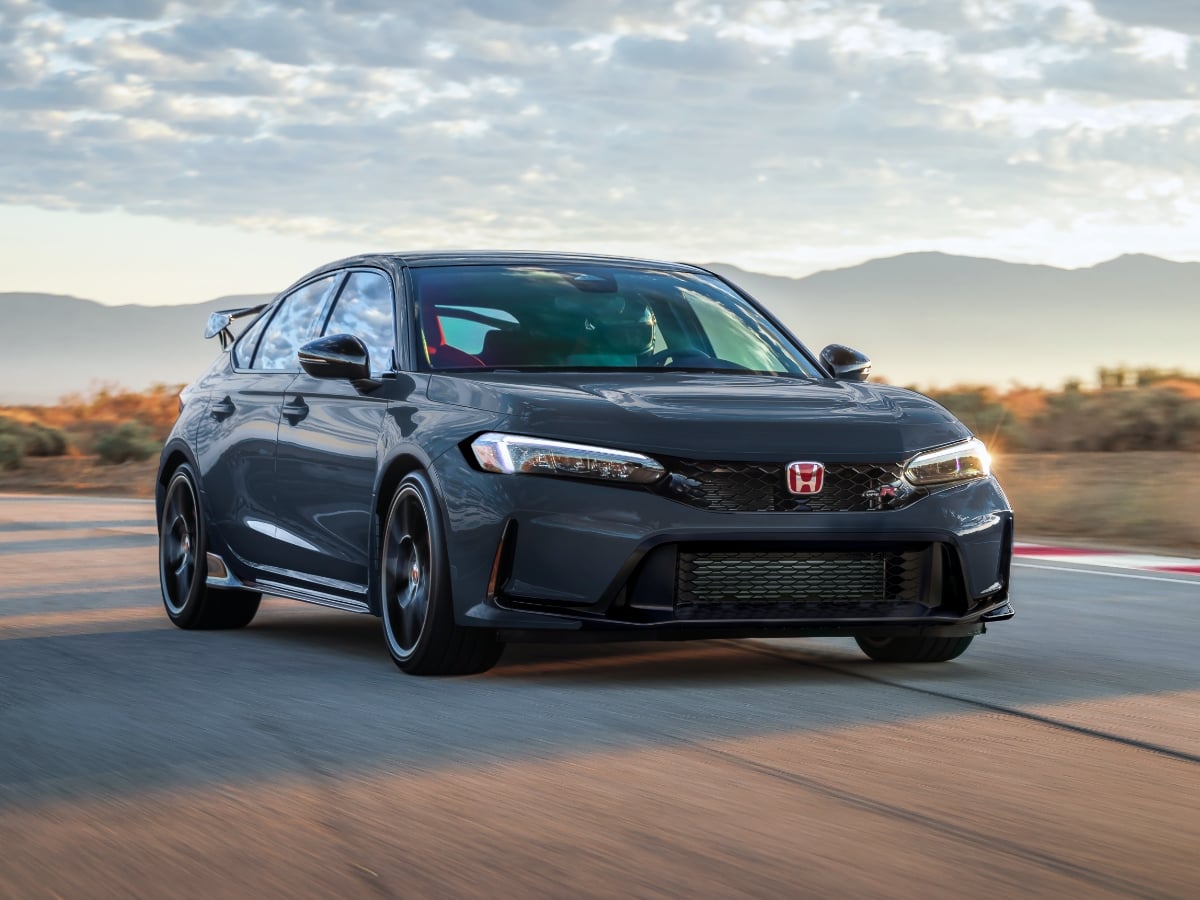
The 2027 Civic Type R goes on sale in October 2026, and it starts at $49,990, including the $1,295 destination charge.
Read the Full Article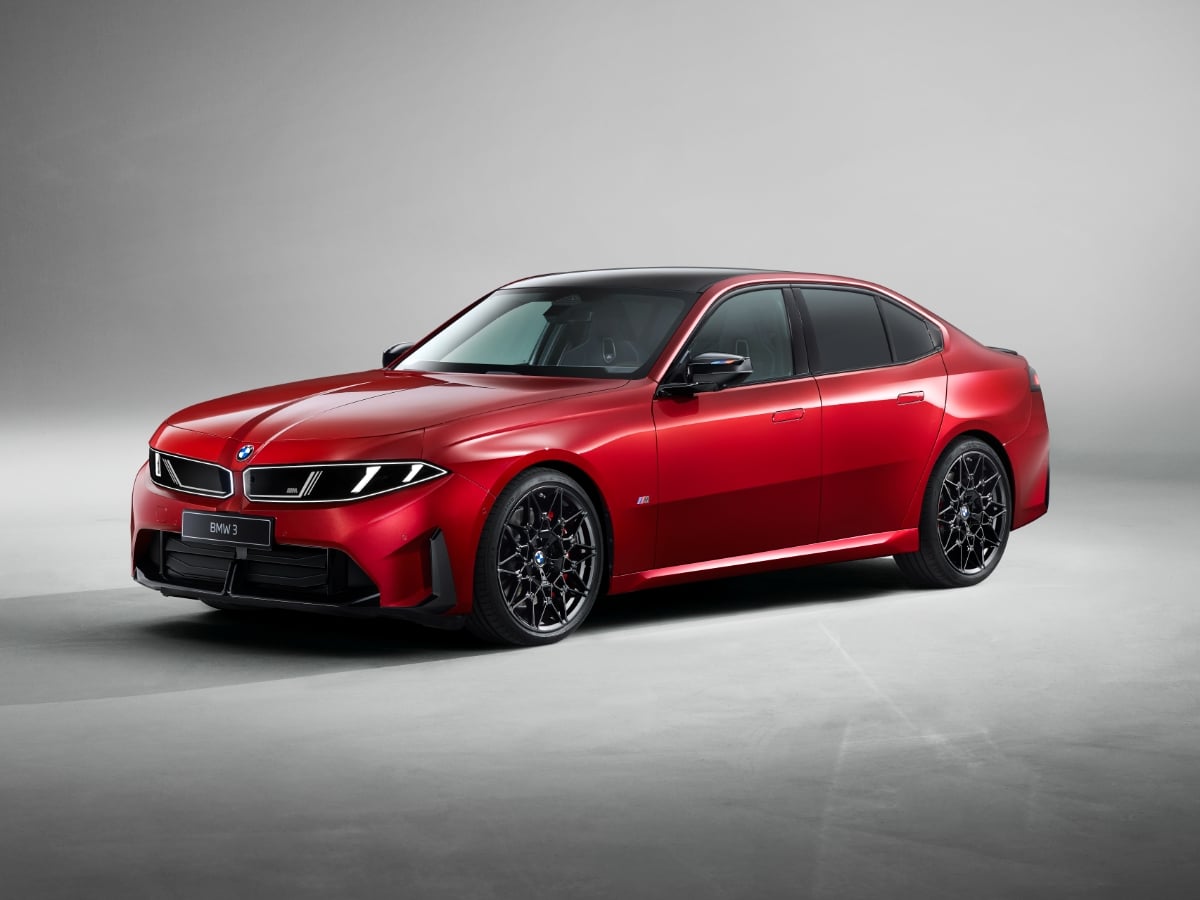
Part of BMW’s Neue Klasse (new class) rollout of redesigned models, the 2027 BMW 3 Series is all-new and goes on sale in the first quarter of 2027.
Read the Full Article