
License plate transfers allow motorists to move the license plate of an old vehicle and put it on a new car, truck, or SUV. Besides being an excellent way to keep a vanity plate or a plate number with sentimental value, transfers can also simplify a vehicle’s recordkeeping. For instance, keeping an existing plate can help save time and money when registering a new vehicle with the local DMV.

The rules surrounding plate transfers vary from state to state. Explore the steps motorists should follow, from verifying local laws to allowing plate transfers to completing a transfer procedure.
In most states, the license plate follows the owner, meaning transferring it from an old vehicle to a new one is legal. For instance, after purchasing a car or SUV in Alabama, it’s legal for the owner to keep an existing license plate and install it on the new vehicle.
In some states, the plate stays with the vehicle when sold, transferring to the buyer. This policy means that sellers cannot keep their old plates. However, there are a few exceptions.
For instance, California allows drivers to retain and reassign plates designated as Personalized or Special Interest, such as the black-and-yellow 1960s Legacy plate. Similar rules exist in Colorado, which does not permit transferring plates to a new vehicle unless they are personalized or the vehicle is registered as a horseless carriage.
The best way to check the legality of license plate transfers is to visit the state DMV’s website or contact a local DMV office.
Drivers who live in states where the license plate follows the owner instead of the vehicle can transfer an existing vehicle’s plates to a new one. It can be beneficial in many situations:
While a plate transfer can be beneficial, there are potential drawbacks. Motorists considering transferring plates instead of getting new ones for a new vehicle should carefully weigh these factors:
Vehicle owners looking to transfer a license plate from one vehicle to another must follow steps that vary slightly based on their state of residence. For jurisdictions where transfers are permitted, the typical procedure is as follows:
After purchasing a new or used vehicle from a dealership or a private seller, vehicle owners must determine whether transferring an existing car’s plate to the new one is worth the effort.
After completing a plate transfer, it’s good practice to verify the DMV records and vehicle history reports for both vehicles and verify each one is accurate. If there are any discrepancies, vehicle history report providers typically offer correction services free of charge or a contact form through which vehicle owners can signal errors.
Author: Corentin Bernard
Corentin’s passion for the automotive world started when he was just seven years old, during a life-changing visit to an auto museum. Now a seasoned writer, Corentin channels that early fascination into every piece he writes, whether he’s exploring the latest car trends or automotive history. But his expertise doesn’t end there—he also brings his insights to topics like home improvement, the boating and yachting industry, personal finance tips, and cutting-edge tech.


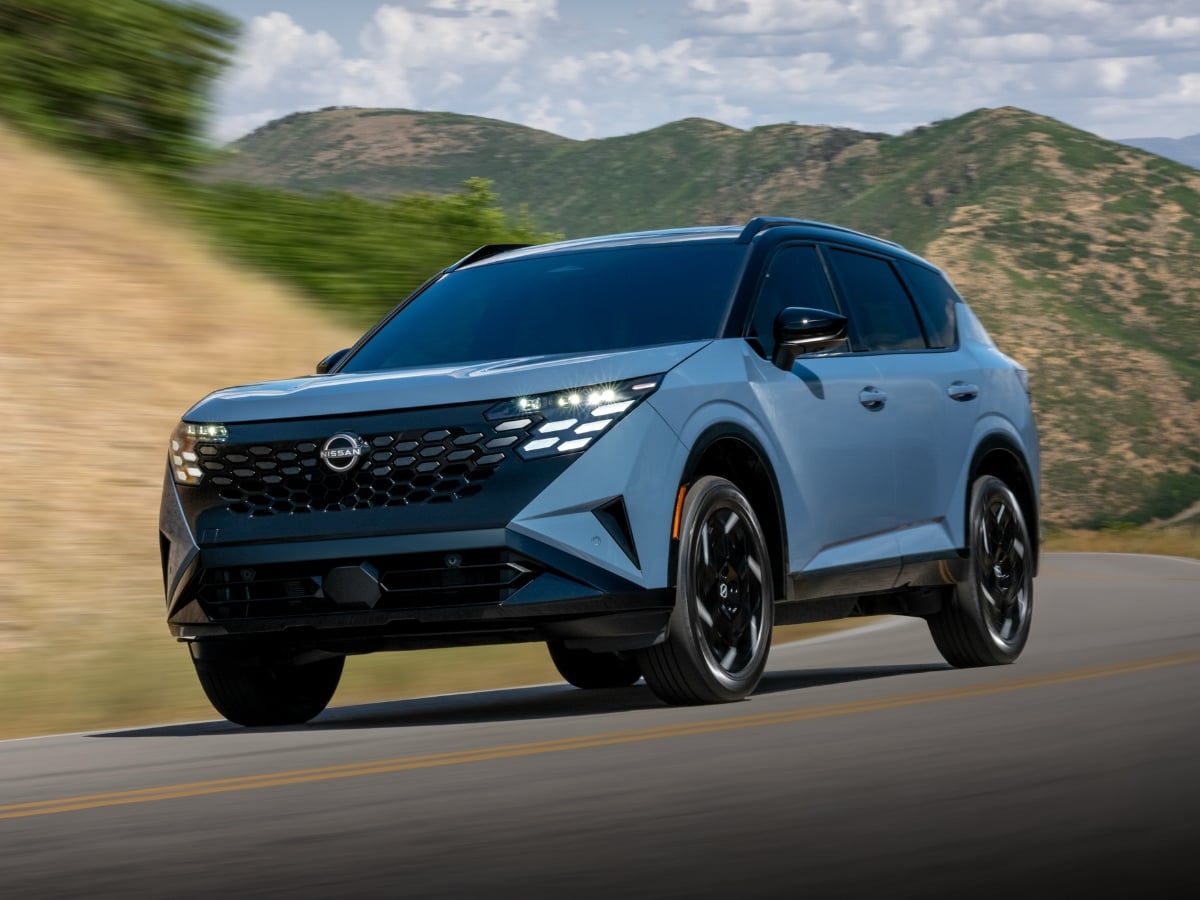
Nissan is about to introduce an innovative new SUV. The 2027 Nissan Rogue Hybrid has a gasoline engine, but it does not power the wheels. Instead, electric motors at each axle provide propulsion, ...See More
Read the Full Article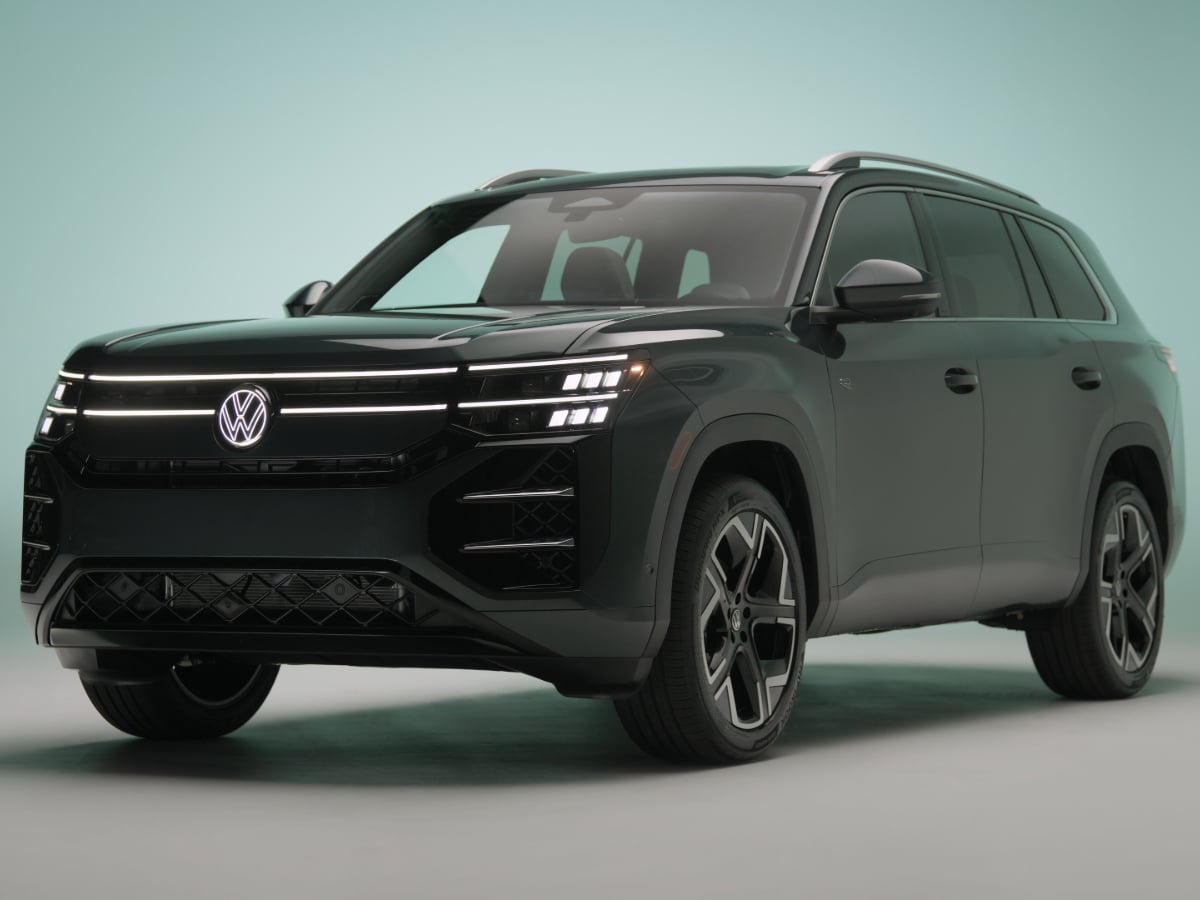
Adding European flair to the otherwise vanilla midsize three-row family SUV market, the redesigned 2027 Volkswagen Atlas debuts with a sharper exterior, an upgraded cabin, more power, and new ...See More
Read the Full Article
Though the styling stays largely the same, a massive boost in electric range for the plug-in hybrid (PHEV), plus a refined design, helps the 2028 Volvo XC60 stay current and desirable.
Read the Full Article
With the 2027 Lexus TZ, Toyota Motor’s luxury division introduces its first three-row all-electric SUV, featuring a lounge-inspired interior, an enhanced all-wheel drive (AWD) system, and up to 300 ...See More
Read the Full Article