
Battery spills are dangerous, primarily when discussing high-powered battery systems, such as those used in commercial and industrial gadgets and machinery. Since liquid and residue from car batteries may be harmful to the skin, clothing, and equipment, it's essential to recognize the sort of battery you're working with to prevent creating dangerous chemical reactions by using the correct cleaning solution.

The chemicals that spill from batteries can hurt more than just your skin. These toxic compounds can damage your lungs and eyes if breathed in. So, before touching batteries with acid, wear gloves, safety goggles, and a face mask when working with higher-power batteries, such as lithium batteries. The gloves you use should be from rubber, latex, or nitrile.
No, let’s discuss the batteries themselves.
Some cars, primarily electric or hybrid vehicles, have lithium batteries. Typically, their voltages are multiples of 3 to 3.7V. They can also be found in rechargeable portable gadgets.
Because of their high energy per unit mass compared to other electrical energy storage systems, you can find lithium-ion batteries in cell phones and laptops. They also feature a high power-to-weight ratio, high-temperature performance, and low self-discharge. Most lithium-ion battery components can be recycled.
Nickel-metal hydride batteries, commonly used in computer and medical equipment, provide adequate energy and power. Nickel-metal hydride batteries have a significantly longer life cycle than lead-acid batteries and are safer and more resistant to damage.
These batteries are common in Hybrid vehicles. The primary difficulties with nickel-metal hydride batteries are their high costs, excessive self-discharge, heat generation at high temperatures, and hydrogen loss.
Lead-acid batteries are high-capacity, cheap, safe, and durable. However, their usage is restricted by low specific energy, poor cold-temperature performance, and a limited lifetime. Advanced high-power lead-acid batteries exist, although they are only used for additional loads in commercially available electric-drive cars.
Leaving acid spills without cleaning is very harmful and dangerous. The following are ways you clean acid spills according to each battery type.
These batteries contain the most dangerous and strong acid, which can burn through fabric, carpets, and metal. So take particular care when cleaning spills from them.
Preparing For Cleaning
Cleaning Process
Some cars, notably electric or hybrid vehicles, contain lithium batteries, and even though the process is somewhat similar, there are a few differences.
Preparing For Cleaning
Cleaning Process
Alkaline batteries are tiny batteries used to power some cars and electrical gadgets. Their voltages are generally around 1.5V, and, once again, the process of cleaning spillage from these has its differences.
Preparing For Cleaning
Cleaning Process
Battery acid is a dangerous thing to deal with, but if there’s a spillage, you don’t have much choice. Even though this article carefully outlined the general process of cleaning spills from different batteries, don’t clean things up unless you’re confident you can pull it off. Any mistakes made during the process could harm your health or worsen the situation.



The 2027 Civic Type R goes on sale in October 2026, and it starts at $49,990, including the $1,295 destination charge.
Read the Full Article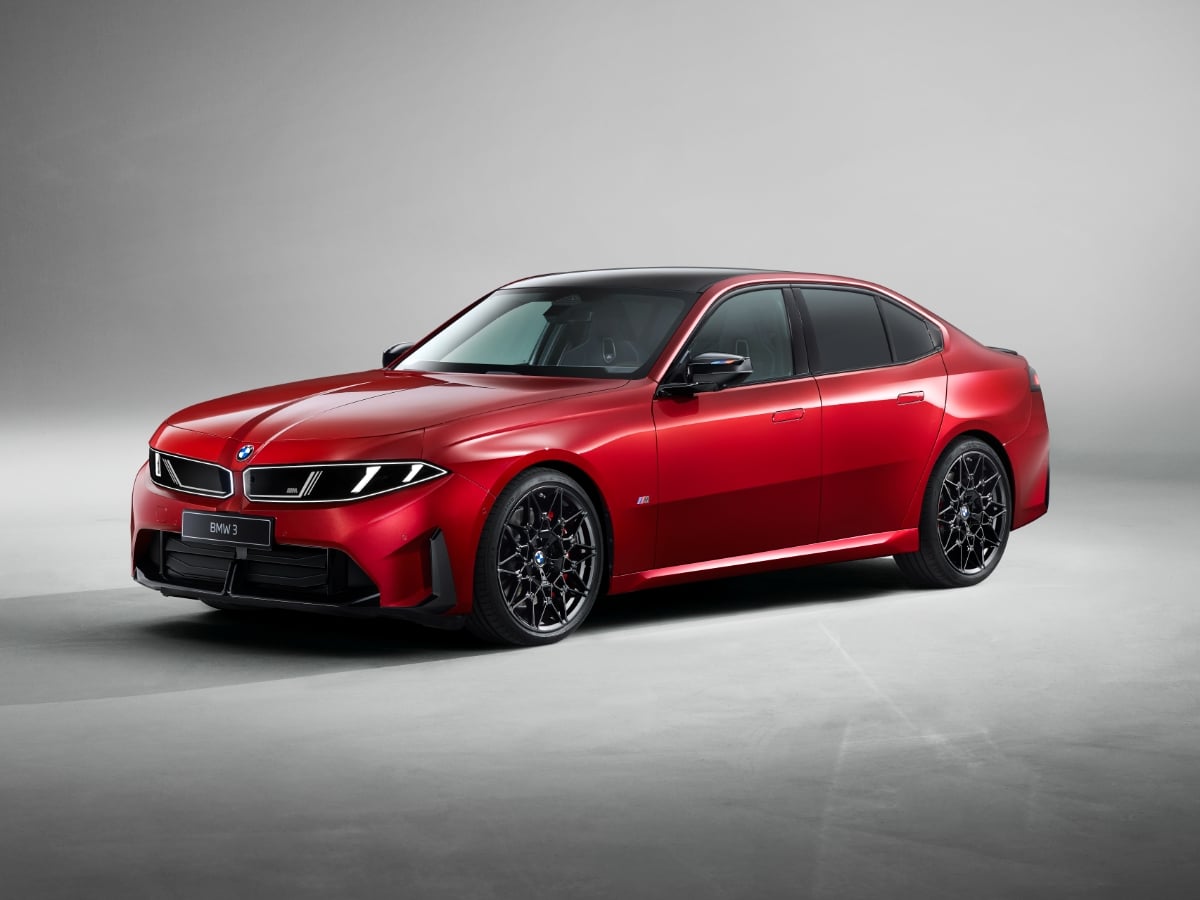
Part of BMW’s Neue Klasse (new class) rollout of redesigned models, the 2027 BMW 3 Series is all-new and goes on sale in the first quarter of 2027.
Read the Full Article
Updates to the 2027 Honda Passport TrailSport include a reworked suspension, improved steering, subtle styling enhancements, and added standard equipment.
Read the Full Article
The midsize 2027 Mercedes GLE remains available in original and spicy Coupe recipes, now with standard 4Matic all-wheel drive (AWD), MBUX Superscreen technology, and a panoramic glass sunroof for ...See More
Read the Full Article