
No technological advance is without drawbacks, which is also true for vehicles. Modern engines give us better gas mileage and efficiency, but without the charm or control of a manual transmission. Powerful traction control tools can be helpful in a pinch but are also infuriating if you can’t turn them off.

Electric power steering is one of these technological advancements. It’s a new steering technology that has superseded traditional hydraulic power steering. Part of a broader revolution, our cars’ mechanical parts are quickly being replaced by electronic equivalents.
But is electric steering an advancement?
Hydraulic power steering has been around for decades, and engineers have now had years to refine the technology. Electric steering is relatively new, and many people still have their doubts about how well it works.
Why is this important? Along with your brake and accelerator, your steering wheel is one of three ways you control your car. If you’re not getting sound, responsive performance, you’re not in complete control of your vehicle.
Here’s a quick overview of electric vs. hydraulic power steering and why you might prefer one over the other.
Power steering is any type of steering system that assists the driver with turning the wheels. It makes modern vehicles easier to control, as well as more comfortable. If you’ve ever driven a car with manual steering or your power steering has failed, you know how hard it can be to turn the wheel with manual force alone.
Power steering is essential for cars with a front-engine because the engine block adds a lot of weight over the front wheels, making them more challenging to turn. Since most cars have front engines, most heavily rely on power steering.
That said, cars with rear engines, like the DeLorean or Tesla Model S, don’t have as much weight over the front wheels. It’s still nice to have power steering, but you won’t have as hard a time turning these vehicles without it.
Hydraulic power steering has been around for over 50 years. These systems have a pump, a cylinder, and a set of valves to control hydraulic fluid through them.
The pump supplies pressure and is driven by a belt that connects to the engine. The pump speed is thereby tied to the engine speed. Your wheels will turn more slowly at low speeds, while the vehicle will be more responsive at high speeds.
This presents an engineering challenge. How do you let people pass and make minor directional adjustments at speed without careening off the road? The control valves return some pressurized hydraulic fluid to the reservoir to prevent this, maintaining responsiveness while ensuring that the steering ratio remains consistent.
The cylinder applies force directly to the steering rack and rotates the tires when you turn the steering wheel.
Electric power steering has only become popular in recent years, but it’s been around for a while. It was invented way back in 1876, before the first automobiles! One of the very first power steering systems was electrical rather than hydraulic.
Outside of a few niche applications, power steering remained obscure until the 1970s. Meanwhile, electric power steering has only seen wide use since the 1990s and the release of the Honda NSX.
Electric Power Steering allows for consistent performance under different driving conditions. An electric power steering system relies on an electric motor attached to the steering system. It uses a system of sensors to communicate with the engine control unit, which tweaks the steering settings based on vehicle speed and other factors.
As you can see, these are two very different technologies. Hydraulic power steering has been around for decades and has undergone many improvements. Modern hydraulic systems are finely-tuned and provide excellent performance at any speed.
Electric power steering is a relatively new technology with fewer moving parts and reduced weight. Electrical sensors make these systems capable of adjusting the steering as needed.
But what else sets these two steering systems apart? Here’s a quick summary:
Despite all this, hydraulic systems have one key advantage. Because the hydraulic fluid is constantly under pressure, it’s always subtly applying pressure to the steering wheel. As your tires roll over the road, you’ll get better feedback since you can feel the more delicate motions of your wheels. Many drivers value this feedback, which is why it’s worth pointing out.
Electric power steering is superior to hydraulic steering. If you’re buying a newer car, the chances are good that you’re already using it. With older cars, you’re likely dealing with a hydraulic steering system. Either way, you’re better off than you’d be with manual steering.


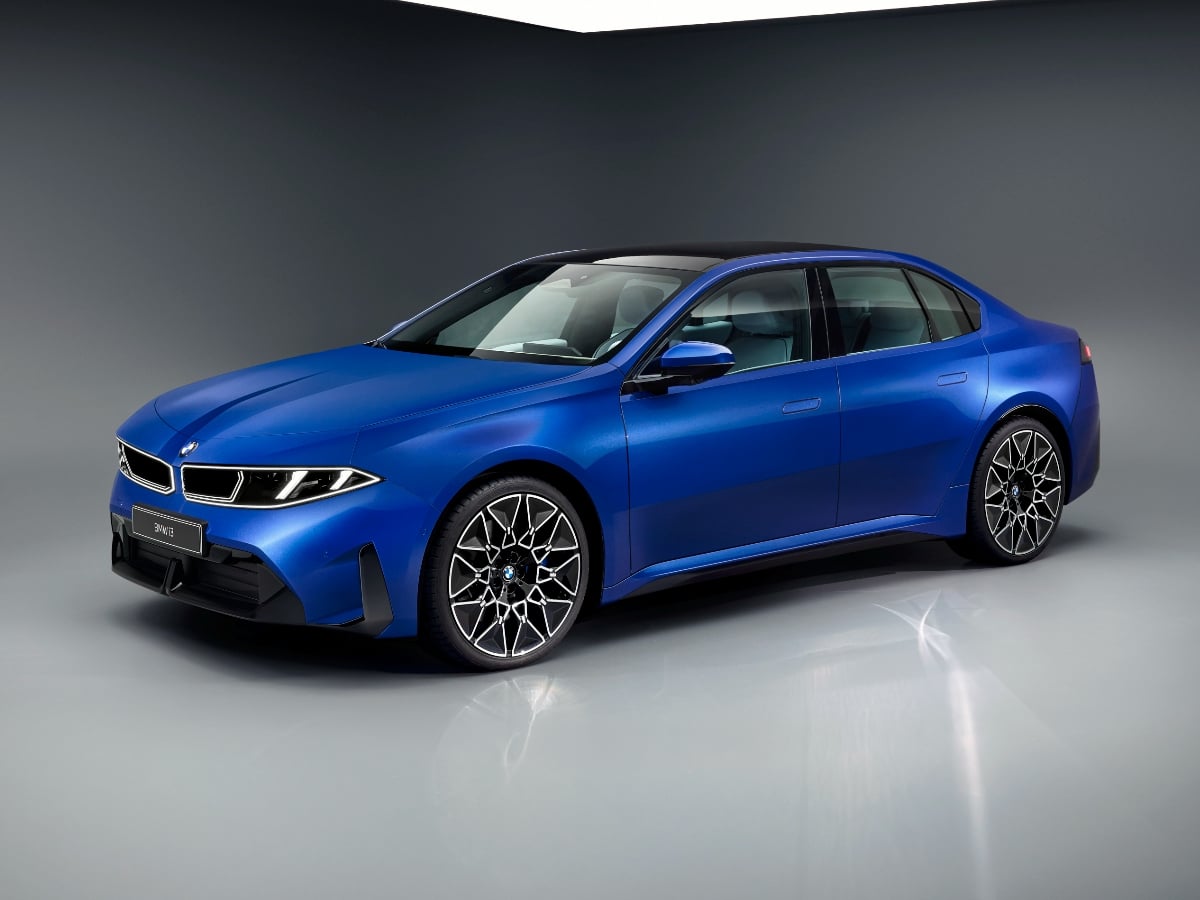
The new 2027 BMW i3 boasts an estimated range of up to 440 miles, 400-kilowatt DC fast charging capability, bidirectional charging to a home or the grid, and next-generation technology.
Read the Full Article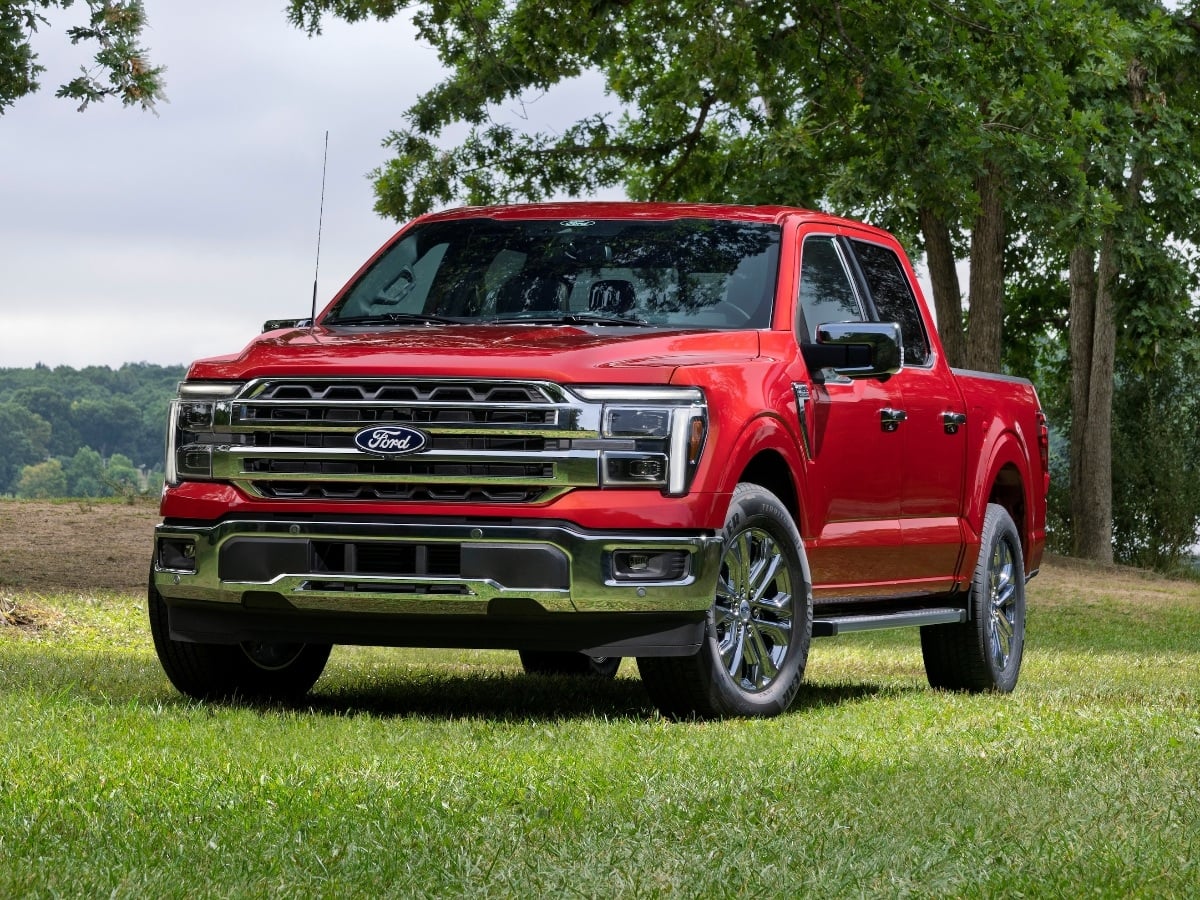
Facing renewed competition in the full-size, light duty pickup truck segment, the 2027 Ford F-150 receives subtle styling updates, a new standard engine, broader availability of its 5.0-liter V8, and ...See More
Read the Full Article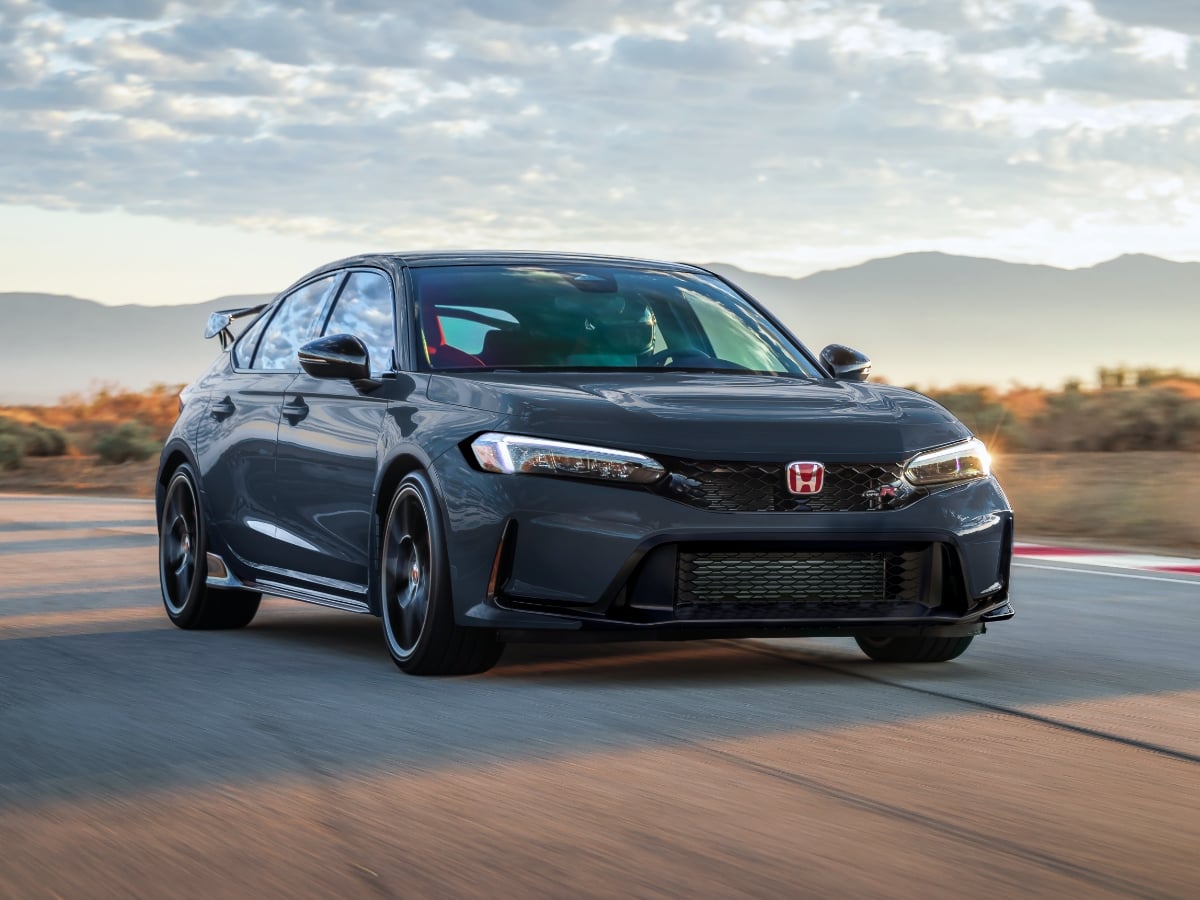
The 2027 Civic Type R goes on sale in October 2026, and it starts at $49,990, including the $1,295 destination charge.
Read the Full Article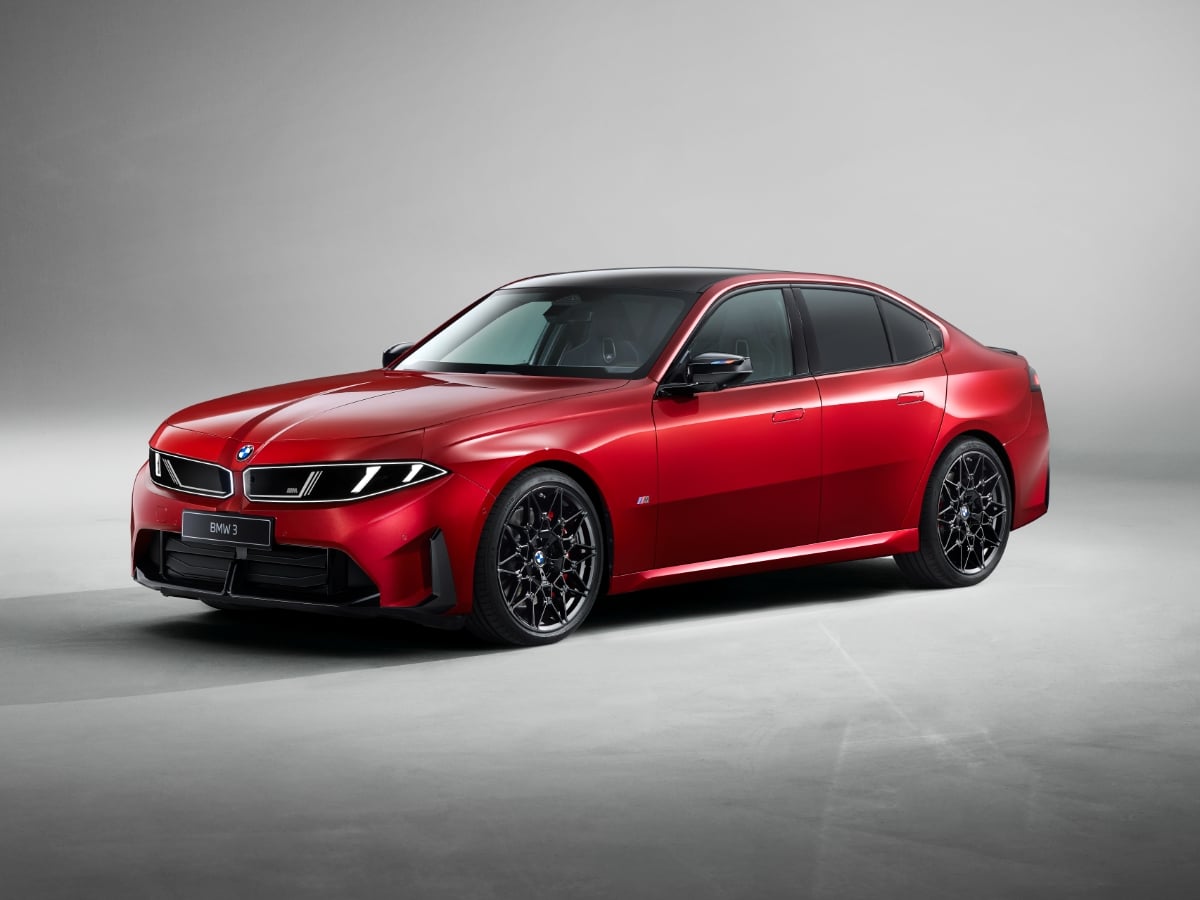
Part of BMW’s Neue Klasse (new class) rollout of redesigned models, the 2027 BMW 3 Series is all-new and goes on sale in the first quarter of 2027.
Read the Full Article