
For collectors, those with a learner’s permit, or anyone without a license, it’s common to wonder if buying a car is possible without one. Legally, a driver’s license isn’t required to purchase a new or used vehicle. However, other requirements, like obtaining financing, having the car insured, and registering the vehicle, can be challenging without a state-issued driver's license.

Use the following guide to learn if buying a car without a license is allowed in the U.S. and what considerations are involved in legal ownership.
In the U.S., owning or buying a car does not require a driver’s license. There are many reasons why someone might purchase a vehicle without having a license.
Collectors may want to acquire rare or classic cars like a 1953 Chevrolet Corvette or a 1967 Ford Mustang that they don’t plan to drive, or family members might purchase a car for a teen who will soon be driving independently. In other situations, someone with a learner’s permit might also want to buy a car to prepare for when they pass their driving test.
The bottom line is that while a license is required to drive a car off the lot, the person buying the car does not have to have one to own the vehicle.
Although a car may be purchased without a driver’s license, the process can be a little more complex due to insurance company or dealership requirements. Consider the following to know what to expect and plan ahead:
Car insurance is an important consideration for car buyers, whether they will drive the vehicle regularly or not. Dealerships typically require proof of insurance before they release the car, and most states require liability insurance if it’s to be driven on the road. Collectors often obtain classic car insurance to protect their investments against damage, even if they don’t plan to drive the vehicle.
The issue is that many insurance companies won’t provide coverage if the car owner has no license. To set up a policy, buyers need to provide an official ID, such as a driver’s license or state ID. Even with a non-driver’s ID, most insurers still require that a licensed driver be named on the policy to consider it for coverage.
To get insurance, those without a license may need to add a licensed individual as the primary driver, such as a family member, friend, or employee (if it’s a company vehicle).
Buying a vehicle often requires financing through a dealership or traditional lender. While possible, securing financing without a driver’s license can be challenging.
Most lenders require a valid government-issued ID, such as a state ID or passport, to process a loan. However, some dealerships and banks may be cautious about approving financing for unlicensed buyers, viewing them as higher risk.
A common solution is for the buyer to add a co-signer or a licensed driver to the application. This can make the application more favorable to lenders since a legal driver would be associated with the loan.
A co-signer does not automatically share ownership of the vehicle, but they are liable for the loan payments. Choose a trustworthy, reliable person who can manage the responsibility.
Another consideration for unlicensed vehicle buyers is transporting the car from the lot or seller’s location to their home. Since driving without a license is illegal, those without a license may need to make other arrangements to move the car to its new location. Here are a few options:
Registering a car is the process of officially recording a vehicle with the state, allowing it to be legally driven on public roads. The primary purpose is to show the state who owns the vehicle and to confirm that it meets local requirements, such as insurance and emissions standards.
Although a driver’s license is typically associated with driving, registering a vehicle is not required since registration focuses on ownership rather than driving capability.
Unlicensed owners will need other documents and information to complete the registration. These generally include:
Requirements vary by state, so check the local rules before registering a car at the Department of Motor Vehicles or Secretary of State office.
A learner’s permit can affect how someone purchases and uses a vehicle. Individuals with a learner’s permit are legally allowed to buy and register a car, but they’re restricted from driving alone without a fully licensed driver being present when the car is in use.
To finance and insure the vehicle, many learners involve a licensed adult—often a parent or guardian—as a co-signer on the loan or by adding the vehicle to an existing family insurance policy. This helps them meet insurance requirements and supports learners as they practice driving under supervision.
Unlicensed buyers often work with another person to buy and manage a vehicle, but does this make the co-signer or co-insured a co-owner? The answer is no. These are different legal situations, neither giving the partner ownership of the car.
Co-signers provide financial backing for the loan, and co-insurers are added for insurance purposes. Ownership is based on the title, which legally identifies who owns the vehicle. Only the person who buys the car is listed on the title, though they can add another person if preferred. This means the primary buyer retains full ownership, even if a co-signer or co-insurer is involved.
Though there are a few extra considerations, buying a car without a driver’s license is legal. Whether it’s a classic car or a used vehicle for a new teen driver, those with the proper documentation, financing, and ID can purchase a car from most sellers and dealerships in the U.S.
Author: Corentin Bernard
Corentin’s passion for the automotive world started when he was just seven years old, during a life-changing visit to an auto museum. Now a seasoned writer, Corentin channels that early fascination into every piece he writes, whether he’s exploring the latest car trends or automotive history. But his expertise doesn't end there—he also brings his insights to topics like home improvement, the boating and yachting industry, personal finance tips, and cutting-edge tech.


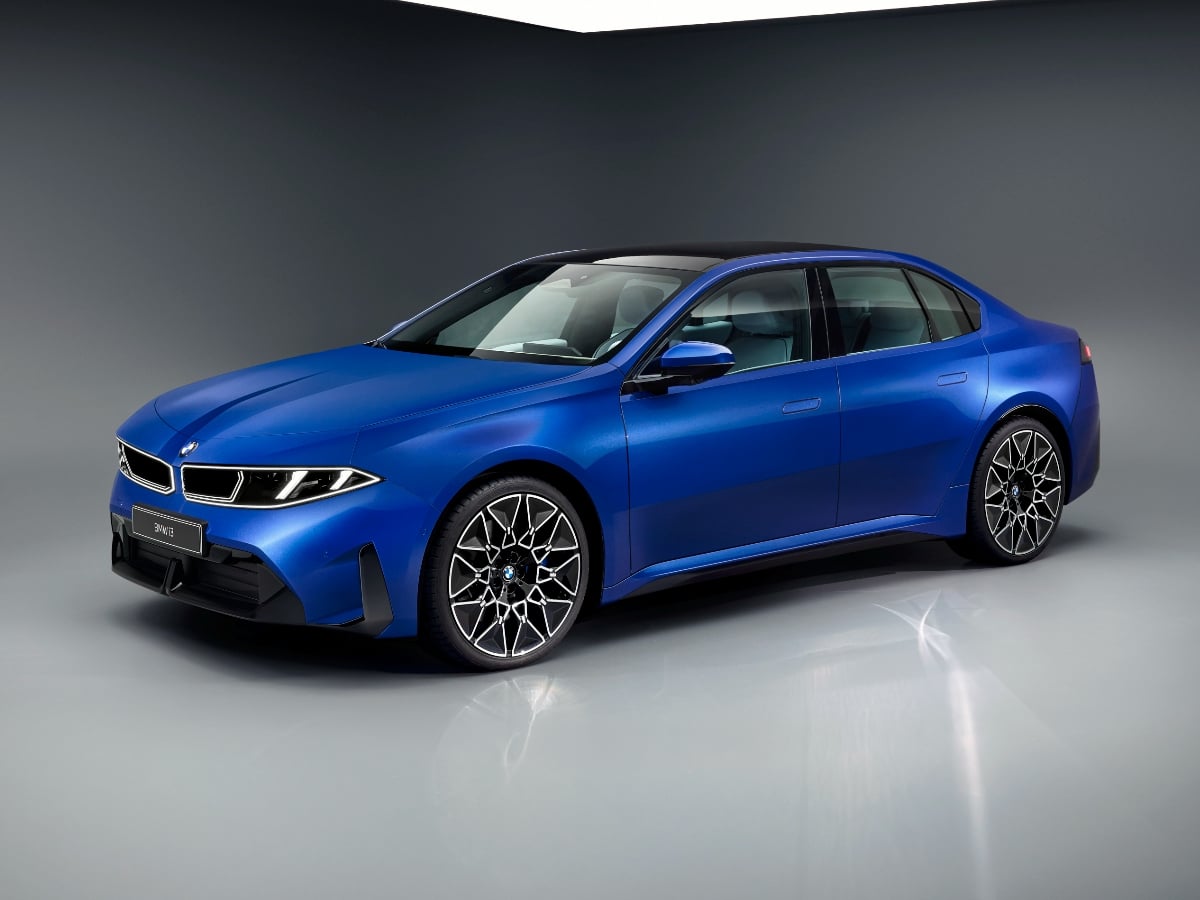
The new 2027 BMW i3 boasts an estimated range of up to 440 miles, 400-kilowatt DC fast charging capability, bidirectional charging to a home or the grid, and next-generation technology.
Read the Full Article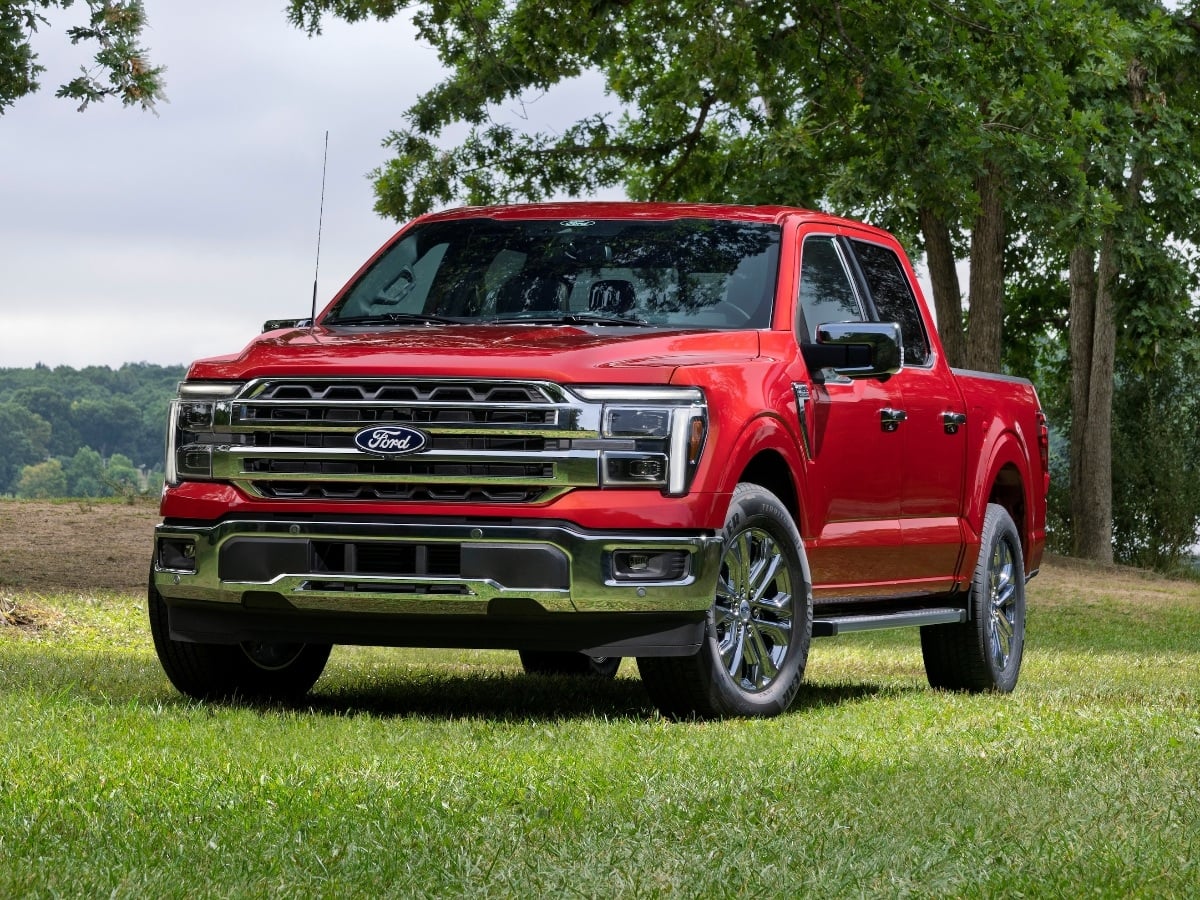
Facing renewed competition in the full-size, light duty pickup truck segment, the 2027 Ford F-150 receives subtle styling updates, a new standard engine, broader availability of its 5.0-liter V8, and ...See More
Read the Full Article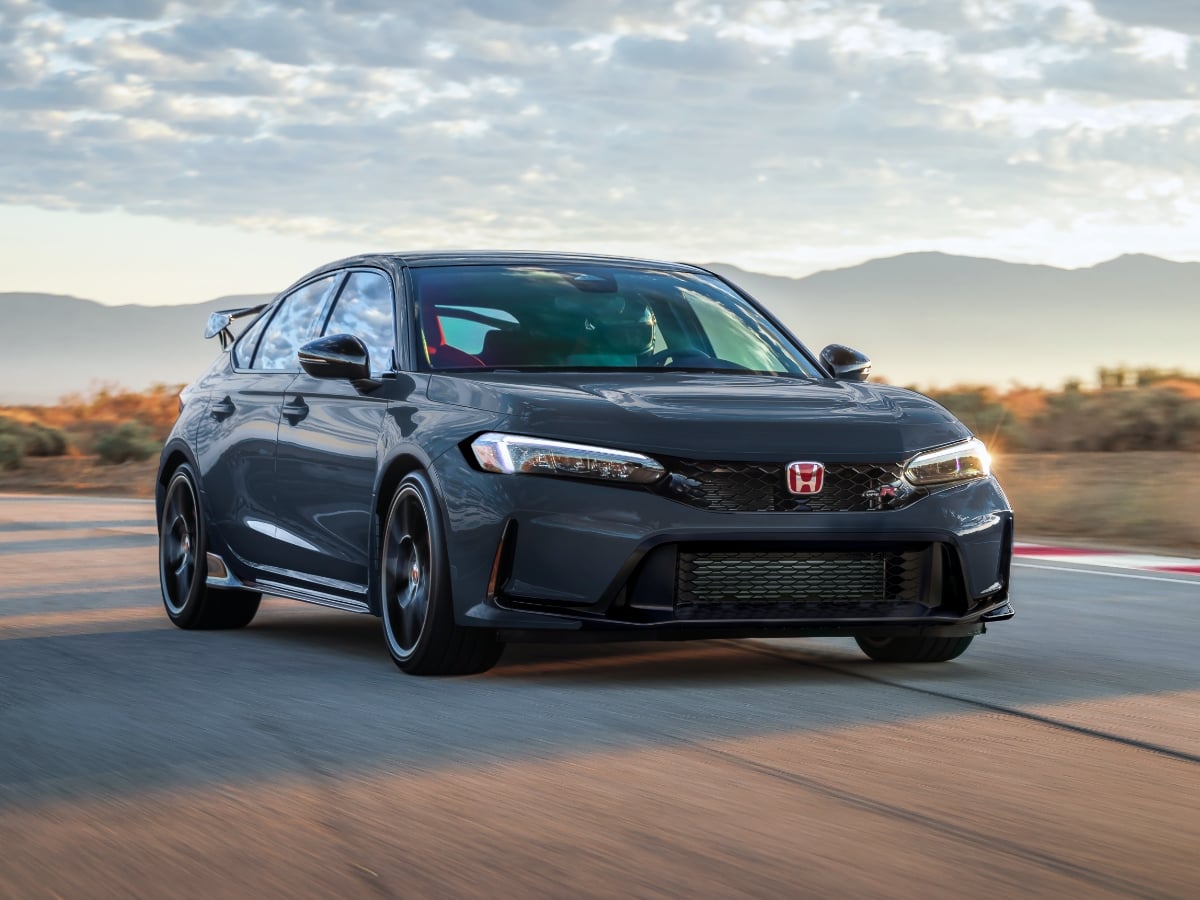
The 2027 Civic Type R goes on sale in October 2026, and it starts at $49,990, including the $1,295 destination charge.
Read the Full Article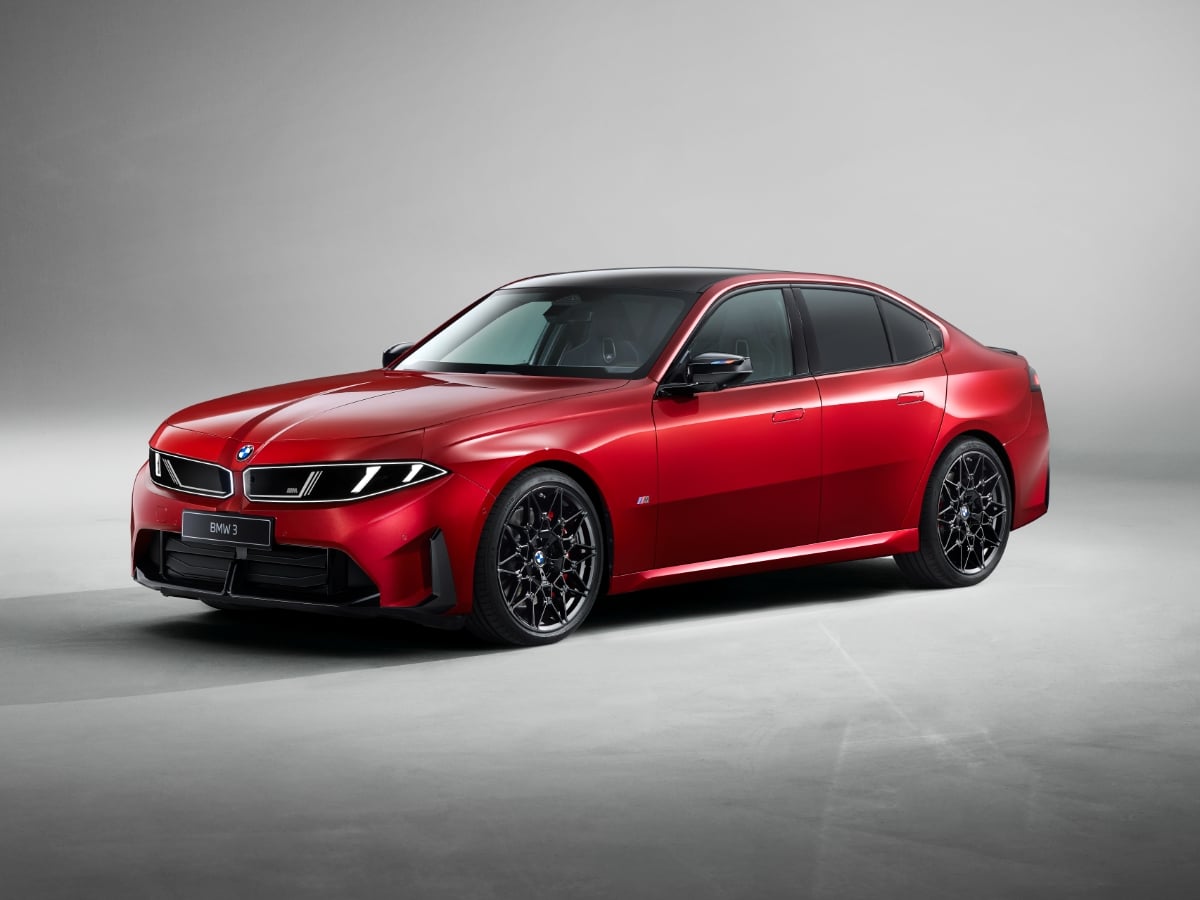
Part of BMW’s Neue Klasse (new class) rollout of redesigned models, the 2027 BMW 3 Series is all-new and goes on sale in the first quarter of 2027.
Read the Full Article