
The Corvette C5 is named after the talented designer and “father of the Corvette,” Zora Arkus-Duntov. In 1963, he offered the Z06 RPO sports package for the Corvette Sting Ray, which transformed a production sports car into a race car.
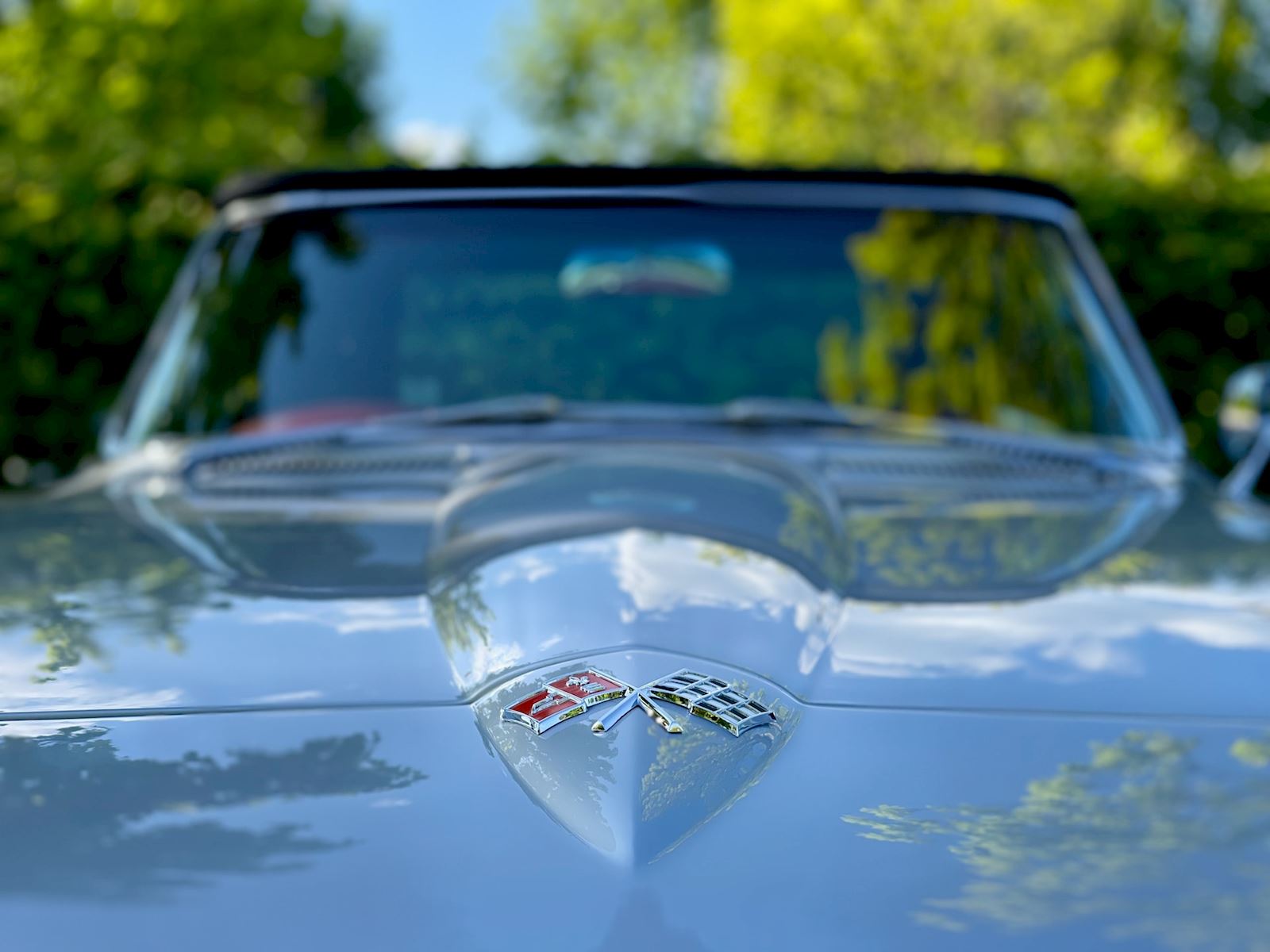
The Chevrolet Corvette has a low aerodynamic body, a massive hood with narrow slots, and rising headlights – indispensable attributes of many supercars of the XX century.
Chevrolet Corvette’s characteristics, pros and cons, and other important information – what should a potential buyer know about this vehicle?
The fifth-generation Corvette debuted in 1997, replacing the much-delayed C4, which had been in production for 13 years. The model should have debuted much earlier, but in the early '90s, General Motors was in crisis, and part of the management favored stopping the model's production. However, engineers Dave Hill and designer John Caffaro developed the model from scratch despite the financial difficulties. The main difference from the fourth-generation model was the use of a transaxle layout with the gearbox set back, which made for ideal axle weight distribution.
C5 Corvette got a suspension on transverse springs made of carbon fiber. In order to reduce vibrations, the body bottom was made three-layer; there was a layer of balsa wood between two layers of metal. The V8 LS1 base engine could put out 345 hp, accelerating up to 62 mph in 5.1 seconds. And that's on the version with a four-speed automatic. Rarely encountered six-graded mechanic versions allowed to overcome this distance in 4.7 seconds.
The first Corvette with a Targa body was launched on the market, followed a little later by a convertible. In 1998, the closed coupe debuted; until then, the last Corvette with a hardtop was the 1967 StingRay. In 2001, the Z06 version was released. Its eight-cylinder LS6 with 385 horsepower allowed it to reach 60 mph in 4.3 seconds. In 2002, the power was raised up to 405 hp. The Z06 had a non-alternative coupe body and a six-speed manual. The top speed of the upgraded version was 170 mph. The fifth generation was in production until 2004. The entire production run of the model was 247,851, and 28,388 were for the Z06 version.
There were many issues related to Corvette С5’s interior. There was no soft plastic except on the doors and the armrest. This was a problem for the base 345-horsepower version, equipped with an automatic gearbox and most often used for leisurely walks and pickups.
The vehicle’s dashboard is traditional only at first sight: The panel on the Corvette C5 is not flat but “three-dimensional” – the scales of indicators are located at different distances from the driver's eyes, but you get used to it quickly. The tachometer is marked up to a good seven thousand rpm, and the speedometer is up to two hundred miles per hour. The steering wheel is notable only because it has the trademark Corvette badge.
When you look at the Corvette, it seems that it will be able to drive off the curb only with the help of a tow truck. But it overcomes this obstacle dashingly, without scraping the bottom even once. The rumble of the atmospheric V8 and the roar of the titanium exhaust system are indispensable components of the Z06 soundtrack.
The traction is sufficient, like in the old Rolls-Royce. You can quickly start from second, third, or even fourth gear and use only one of them in the city, so forget about shifting at all. The sixth gear allows accelerating from 37 up to 150 mph without any problems. Casual driving is assisted by ABS, stabilization and directional stability systems, cruise control, and the projection of speed and other important information directly on the windshield. This last feature is very convenient and contributes to safety.
If you want an affordable, cool-looking, and fun American car that is still great compared to today's best, the C5 Corvette Z06 remains the definitive choice. In terms of acceleration time, the C5 can compete with almost all premium sports cars of its time, including the Aston Martin DB7 Vantage and Ferrari F355.


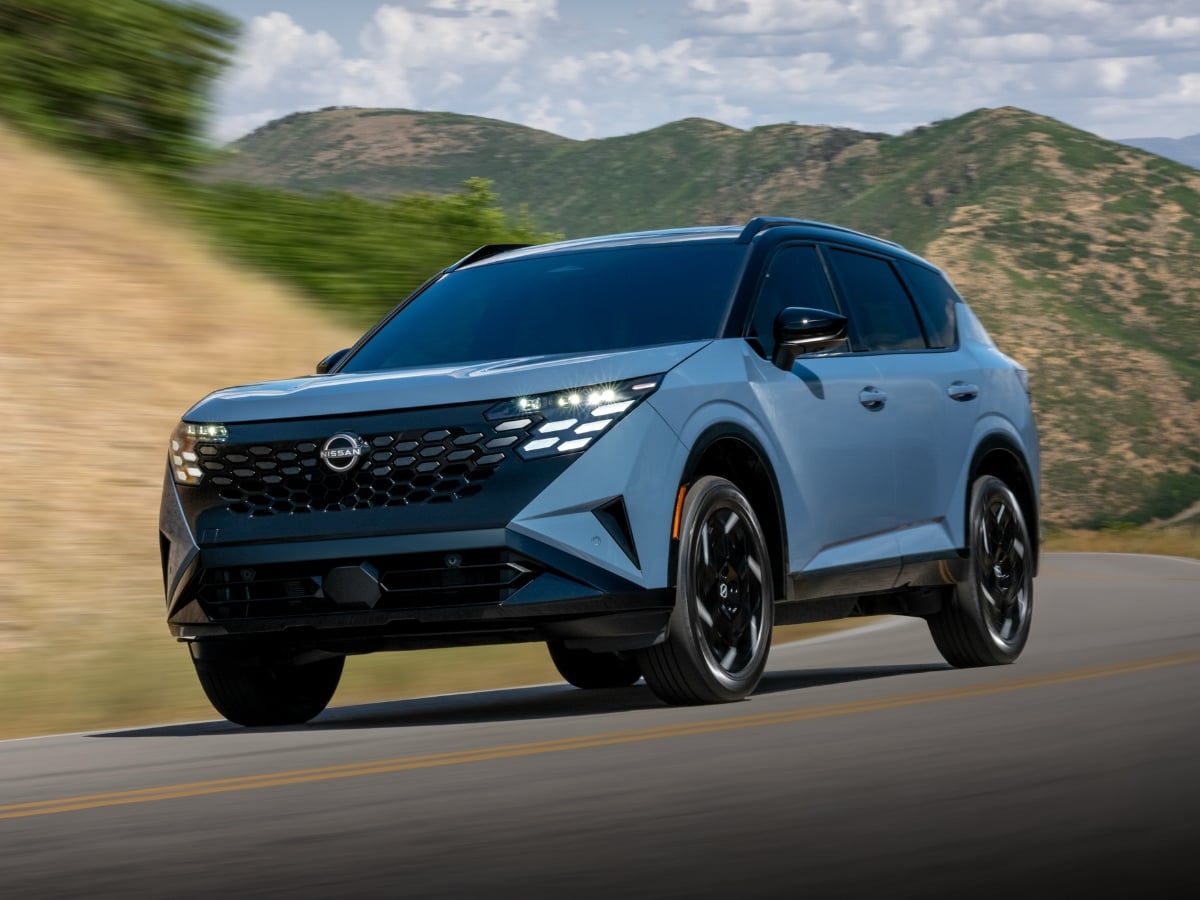
Nissan is about to introduce an innovative new SUV. The 2027 Nissan Rogue Hybrid has a gasoline engine, but it does not power the wheels. Instead, electric motors at each axle provide propulsion, ...See More
Read the Full Article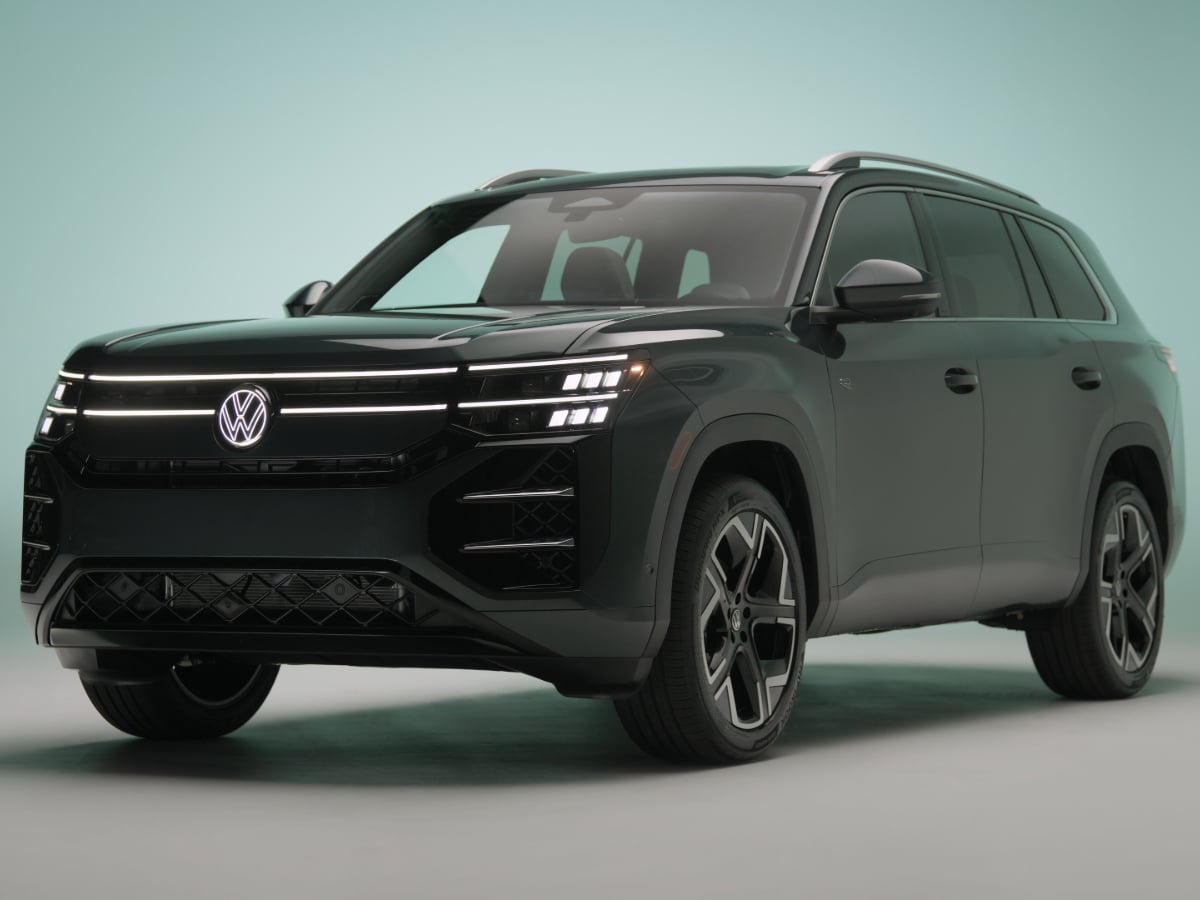
Adding European flair to the otherwise vanilla midsize three-row family SUV market, the redesigned 2027 Volkswagen Atlas debuts with a sharper exterior, an upgraded cabin, more power, and new ...See More
Read the Full Article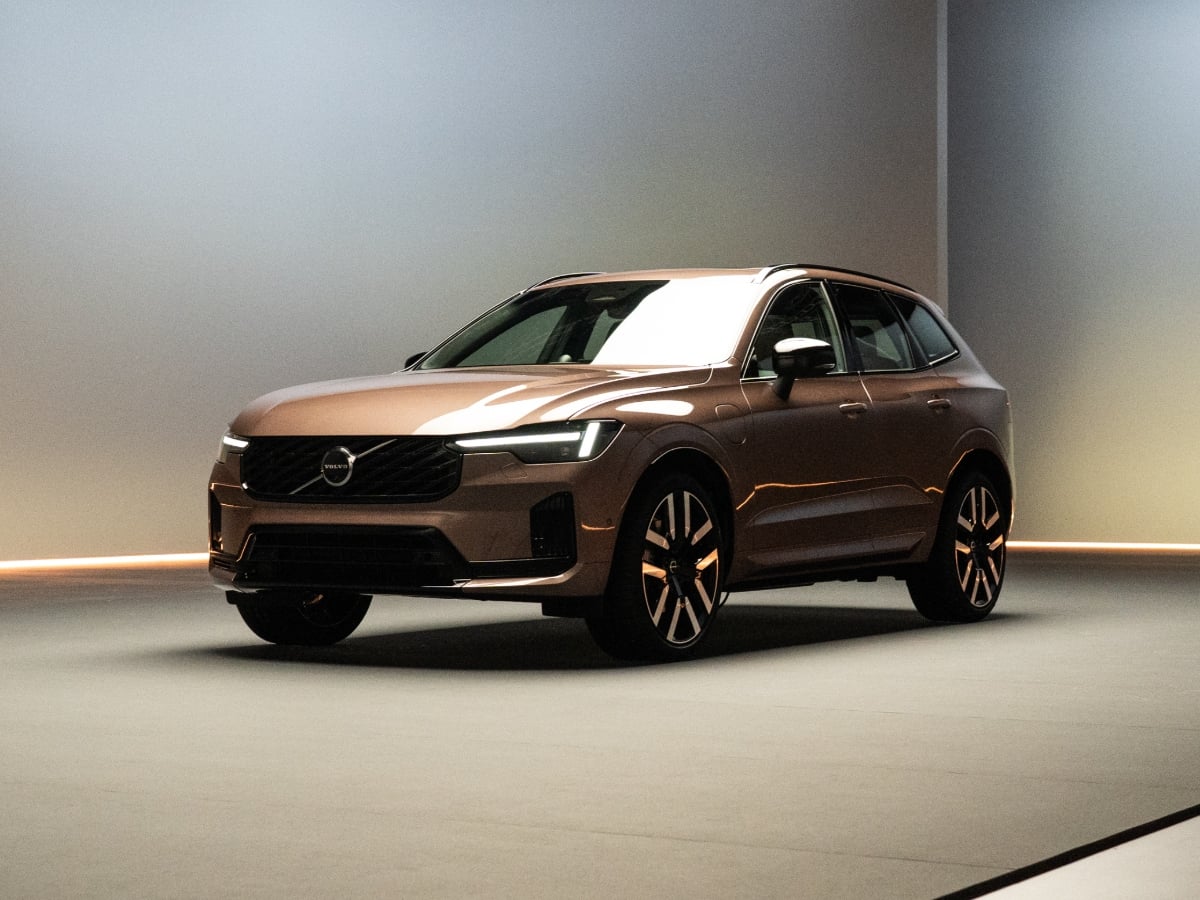
Though the styling stays largely the same, a massive boost in electric range for the plug-in hybrid (PHEV), plus a refined design, helps the 2028 Volvo XC60 stay current and desirable.
Read the Full Article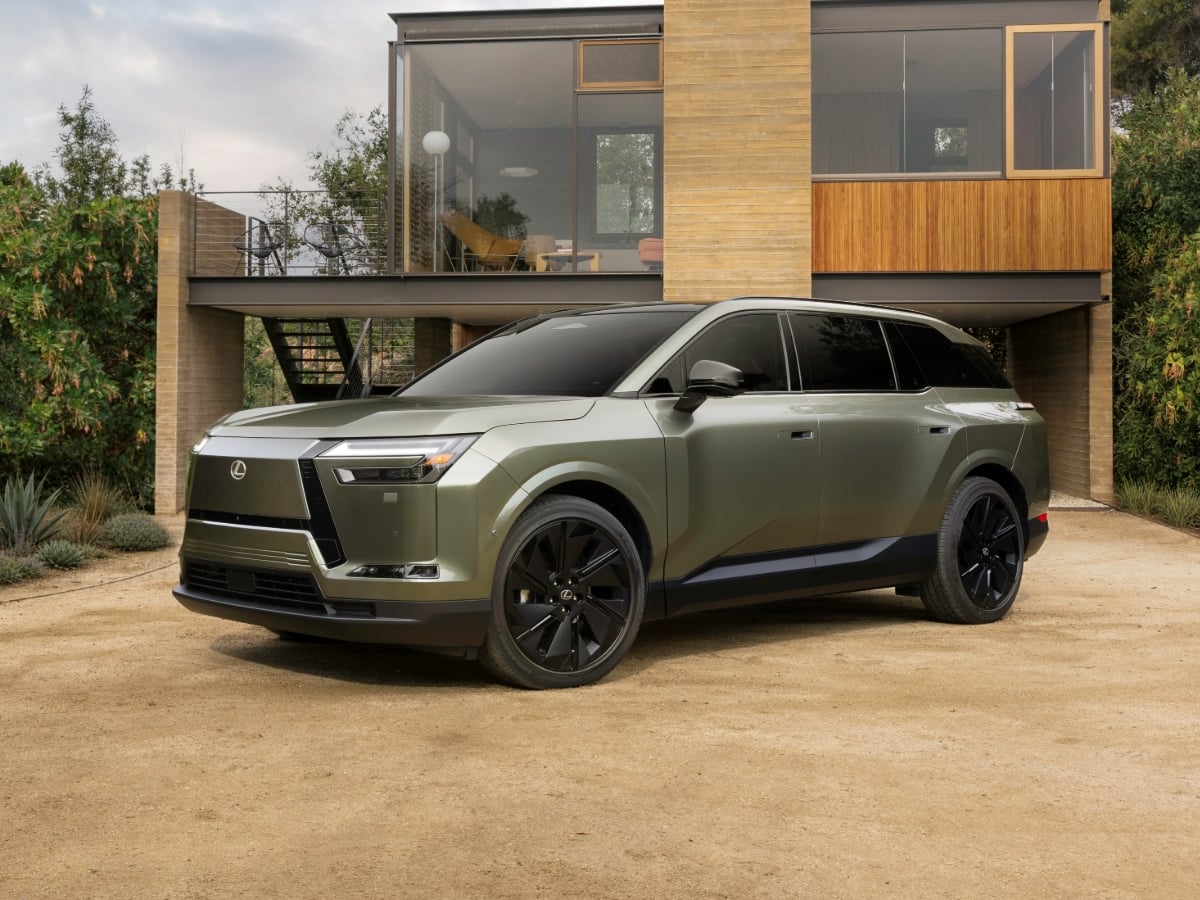
With the 2027 Lexus TZ, Toyota Motor’s luxury division introduces its first three-row all-electric SUV, featuring a lounge-inspired interior, an enhanced all-wheel drive (AWD) system, and up to 300 ...See More
Read the Full Article