
Electric vehicles, or EVs, generally use lithium-ion batteries, which are recyclable up to 90% through commercial activity. When EVs came on the scene, one of the primary debates was the amount of landfill the batteries would lead to. But many reports and analyses have proved that EV batteries last longer than expected.

The automobile industry is developing a closed-loop system to decrease the overall automotive carbon footprint and make every part of the vehicle recyclable. Recycling batteries, from stripping the wiring and the plastic to processing the hazardous metals in the battery cell electrolyte, is a dangerous and costly affair. Because of that, the answer to the question in the title is complex and requires some elaboration.
The automobile industry is working toward making all batteries reusable and recyclable for the future. Car manufacturers like Volvo, BMW, Nissan, Honda, Renault, and Jaguar are already working towards making a battery with second-life applications.
Volvo is working with BatteryLoop to develop batteries for electric cars that can be used as solar energy storage systems to power car and bike charging points. Volvo is also working on using plug-in hybrid batteries for storage in a hydropower operation in Sweden. These efforts aim to determine the battery’s sustainability and financial gains.
Tesla has the Powerwall, while Nissan has xStorage. Both these programs aim at the reuse of car batteries for energy storage. BMW is working with Off Grid Energy to provide a sustainable second-life solution for batteries that have reached the end of their life. These will be used to create portable power units.
Last but not least, Renault launched the SmartHub project in 2020 to provide energy for social housing, transport, residential homes, and local businesses, with 1000 second-life electric cat batteries in use. According to the company, this system could store enough energy to power 1700 homes daily.
The lithium-ion batteries used in electric vehicles contain many valuable materials worth recovering, which are disassembled and shredded for recycling. Once shredded, the materials are sifted and categorized based on their nature and size. There is plastic, ferrous materials, and non-ferrous material or black mass. The black mass consists of cobalt, lithium, nickel, and manganese. The use of hydro- and pyrometallurgy can help recover each of these materials individually.
Hydrometallurgy is the same process used to extract materials from mined ores. For hydrometallurgical recycling, the critical materials are put in a solvent and extracted using solvent extraction, precipitation, and purification methods. Recycling companies claim that the recovery rate is 95% to 98%.
However, it makes more financial sense to recycle electronic vehicle batteries to make brand new car batteries rather than using them for a less demanding application such as energy storage.
Automotive companies are experimenting with solid-state batteries because they are more efficient and less flammable. However, the recycling challenges for solid-state batteries are very different from that of lithium-ion batteries. Solid-state batteries can store more energy, are safer, and charge faster than lithium-ion ones.
Electric vehicles generally do not use solid-state batteries because it’s difficult to mass-produce them. Automobile manufacturer Nissan has launched the program, ‘Ambition 2030’, and aims to launch a solid-state battery car by 2028 from its pilot plant in Yokohama, Japan. Nissan also works to lower the price gap between combustion-engine and electric cars.
A US-based company, OneD Battery Sciences, has introduced a nano-silicon technology called SINANODE. They are working towards simplifying nano-silicon technology and making it more cost-effective. SINNODE is a process of supercharging commercial graphite by fusing large quantities of silicon nanowires, producing thousands of silicon nanowires on each graphite particle. The silicon can triple the amount of stored energy, reduce the charging duration by 50% and reduce production costs.
Sodium is cheaper and more abundant compared to lithium-ion sodium-ion batteries, recycled following the same processes. Manufacturers are working on upgrading it, and we might soon be able to replace lithium-ion batteries. However, the technology to extract a yield performance from sodium-ion batteries has yet to be made.
Electric vehicles use about 80-90% recyclable lithium-ion batteries. The extracted materials can make new batteries or power storage units. Manufacturers are working on launching more efficient battery alternatives and creating a closed-loop system to ensure all vehicle components are recyclable.


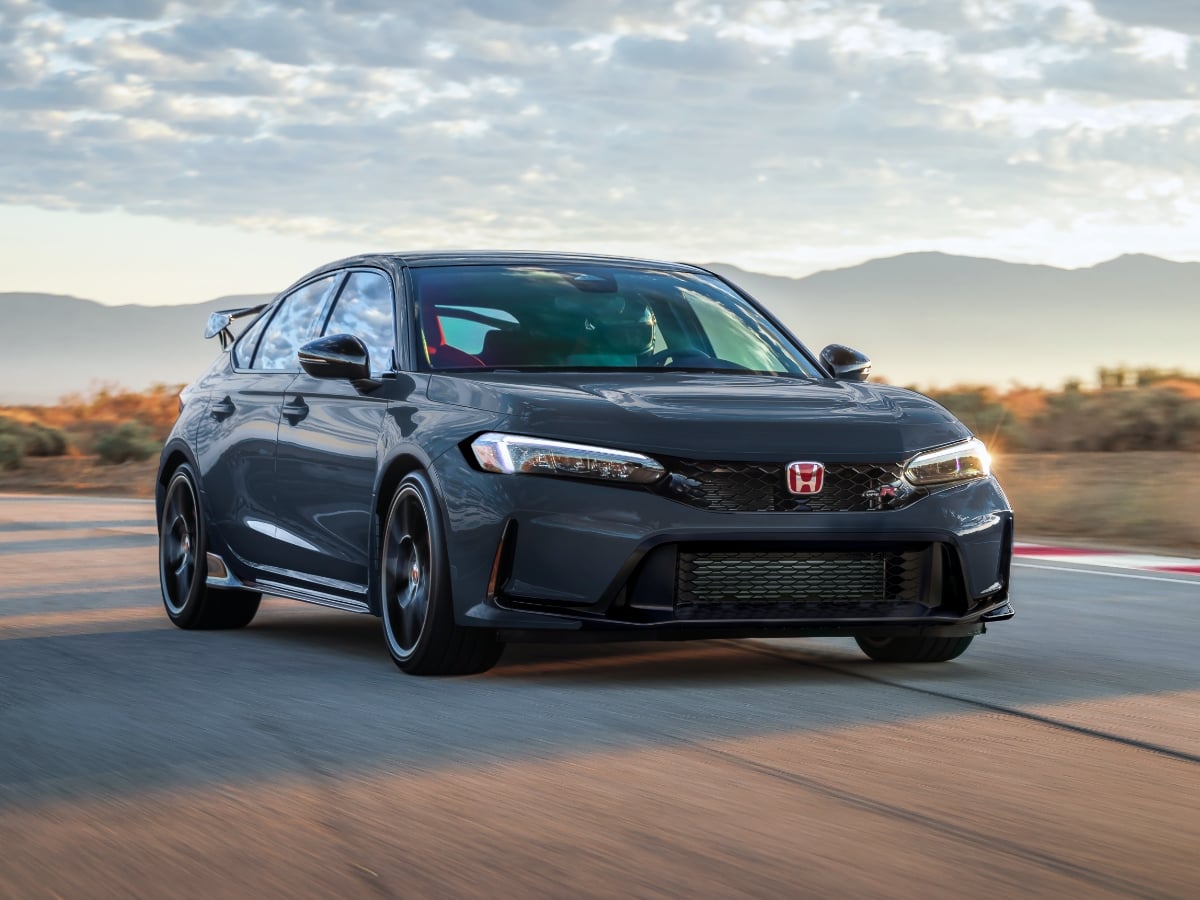
The 2027 Civic Type R goes on sale in October 2026, and it starts at $49,990, including the $1,295 destination charge.
Read the Full Article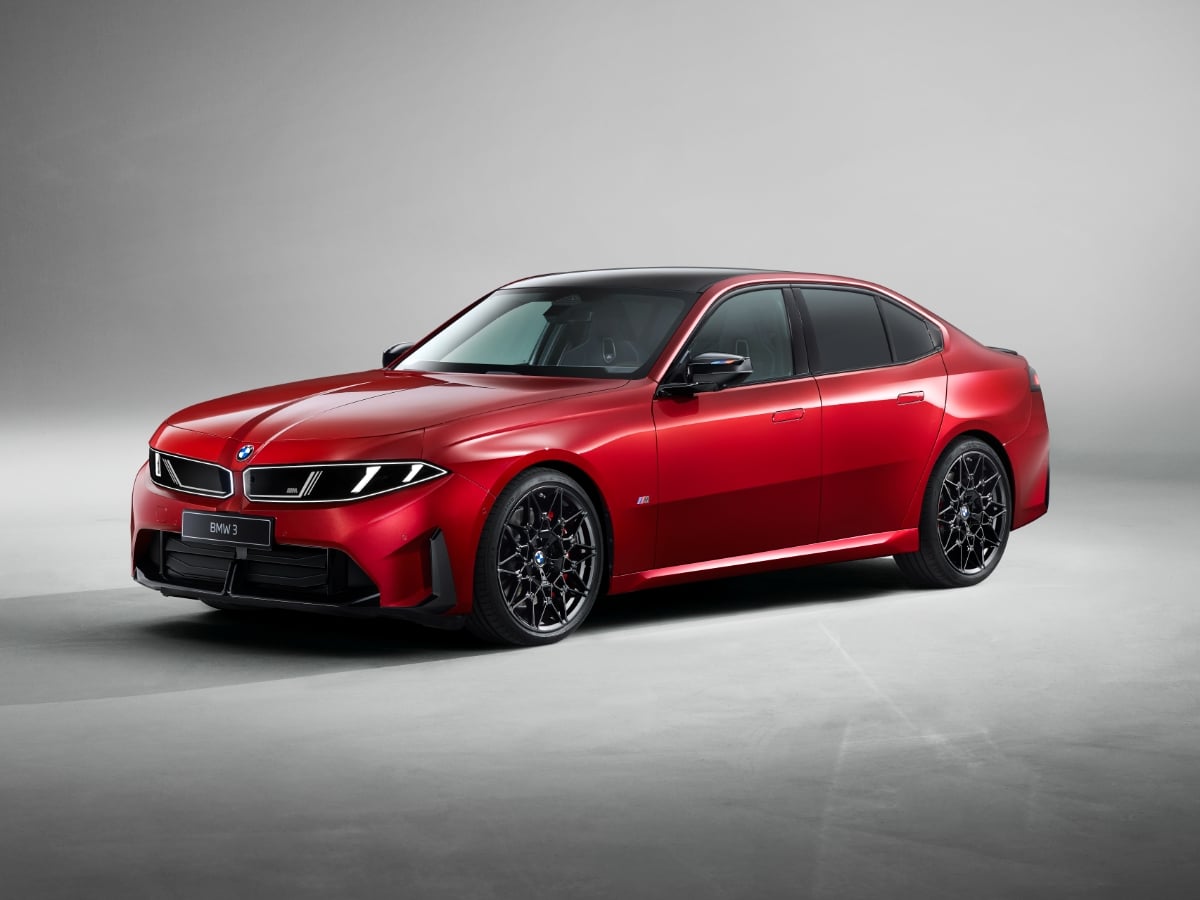
Part of BMW’s Neue Klasse (new class) rollout of redesigned models, the 2027 BMW 3 Series is all-new and goes on sale in the first quarter of 2027.
Read the Full Article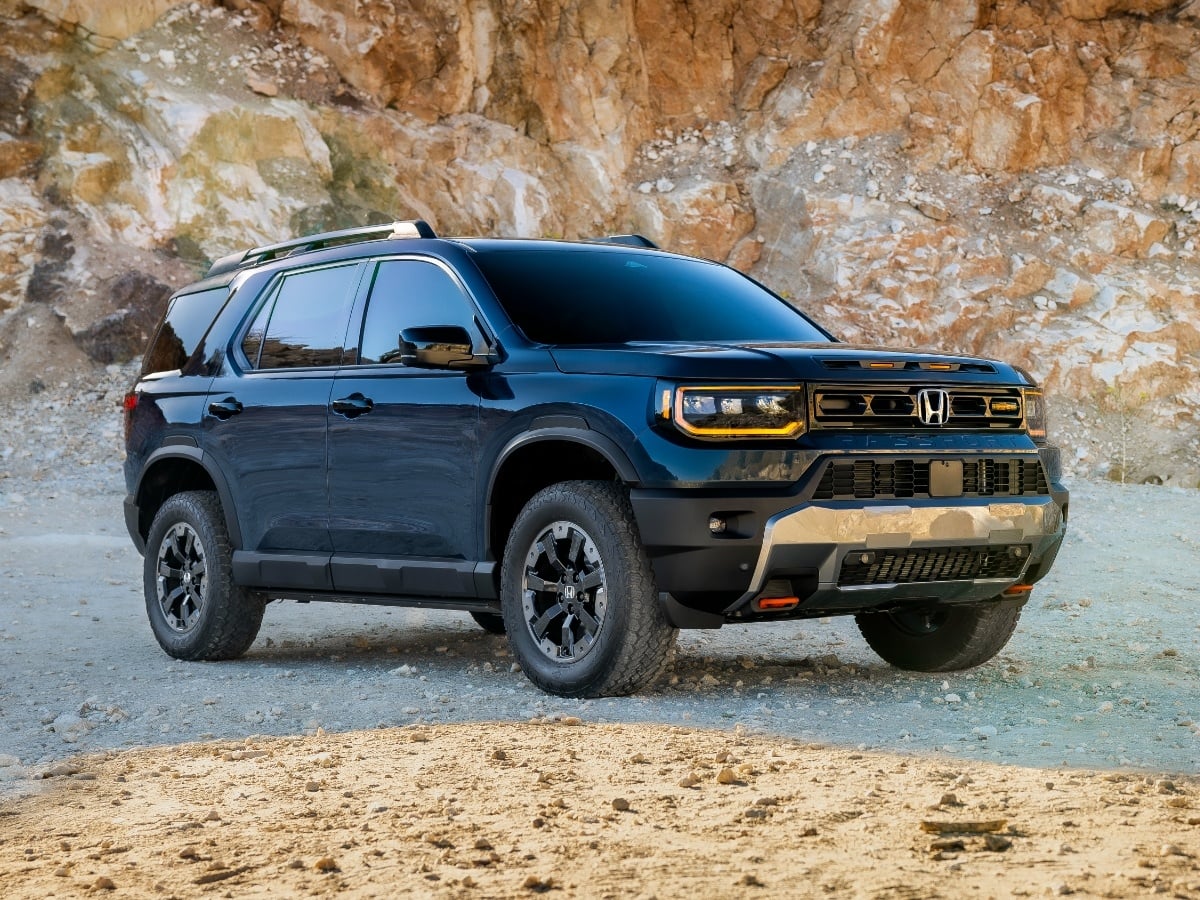
Updates to the 2027 Honda Passport TrailSport include a reworked suspension, improved steering, subtle styling enhancements, and added standard equipment.
Read the Full Article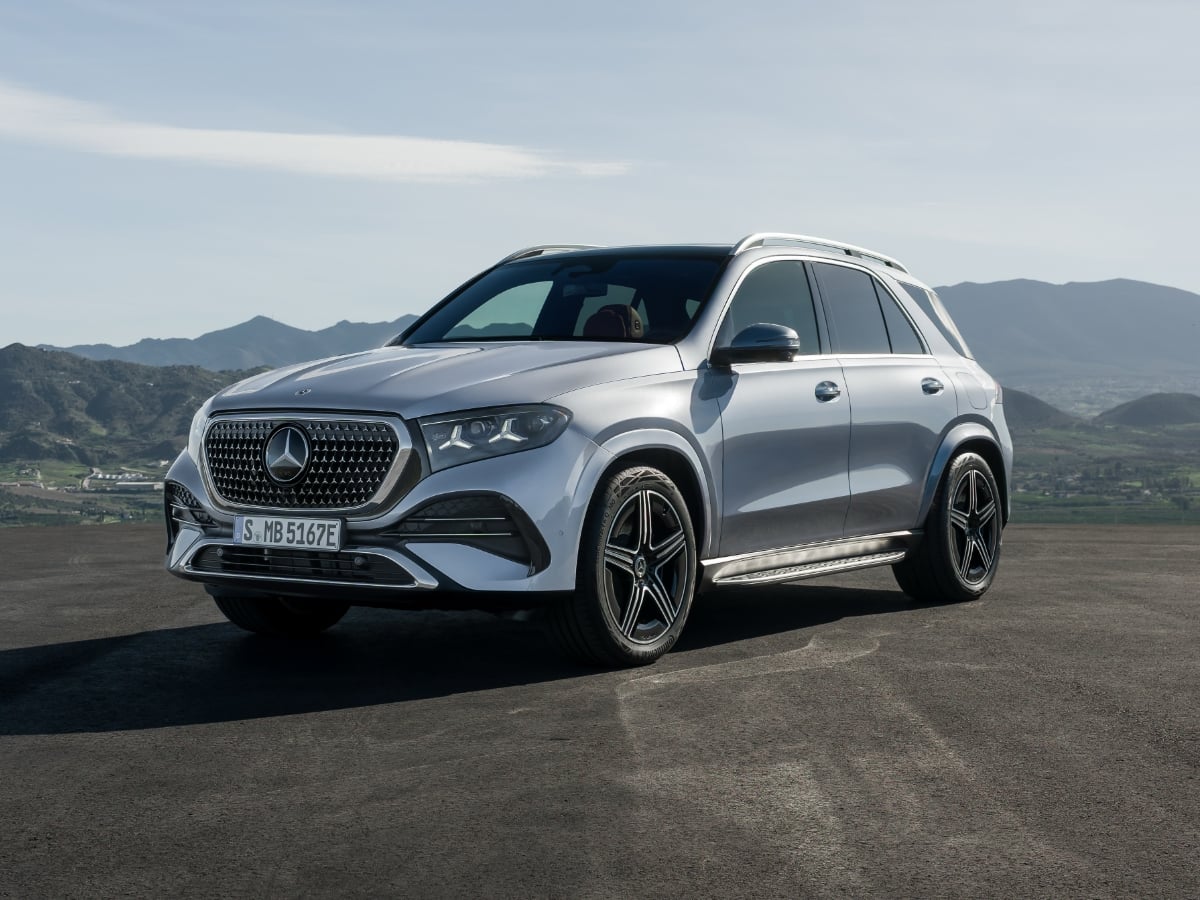
The midsize 2027 Mercedes GLE remains available in original and spicy Coupe recipes, now with standard 4Matic all-wheel drive (AWD), MBUX Superscreen technology, and a panoramic glass sunroof for ...See More
Read the Full Article