
Buying a used car is similar to buying a new one in many ways. You need to find a vehicle that’s right for your needs, test drive it, and potentially finance it. There can also be significant differences. For example, used cars may not be covered by a warranty, and you might be dealing with a private seller.

Here’s a 10-step guide to the used car buying process, from the planning stages until the final purchase.
Before you start looking at vehicles, you need to know your budget. A good rule of thumb for many people is that your car payment should never cost more than 10% of your monthly after-tax income. Look at how much you take home monthly, and figure out what loan payment you can afford.
Depending on your circumstances, you may want to spend less. Make sure you have enough money for mortgage, childcare, and other expenses. Used cars require more maintenance than new cars. You also need to consider additional ownership costs, such as tax, title, insurance, and fuel expenses.
Buying used cars gives you more options than new cars. With a new car, you’re limited to this year’s model. You have many years to choose from with used cars, and you can even buy cars that are no longer in production. Now that you know how much you can spend, you’re ready to look for a particular car model.
When deciding on a vehicle, don’t just think about your current needs. For example, if you’re planning on having a child, buy a car with seating and cargo capacity for your new addition. Think about your needs for the next five years or however long you expect to own the vehicle.
After you’ve come up with a few acceptable vehicles, it’s time to research the pricing. There are many places to do this, such as Kelley Blue Book. When researching market prices, ensure you’re getting prices for the variant you want, such as any particular towing packages.
Look for pricing for Certified Pre-Owned (CPO) vehicles. These can cost slightly more than non-certified vehicles, but they’ve been inspected and certified reliable for sale. Even so, remember that you’re buying a used car “as-is” unless there’s time remaining on the manufacturer’s warranty or you purchase a third-party warranty.
After finding a vehicle that fits your needs and budget, it’s time to find the best possible deal. Financing is a big part of the package, and dealership financing doesn’t always get you the best interest rate. Before going to any dealers, consider visiting your bank or other local lenders to see what loan terms you can get approved for.
That’s not to say you’re guaranteed to beat the dealer’s rates. If the dealer makes a better offer, you can certainly choose to finance through them. You can use your pre-approval rate as leverage to potentially convince the dealer to reduce their rate.
If you want to trade in your car, do your research and determine its worth. If your dealer makes you a lowball offer, you can pay a larger down payment, then sell the car yourself on the private market.
Even if you think you’ve found the perfect car, it never hurts to shop around. Contact multiple sellers and find out what their prices are. You’ll always be able to negotiate later, but this will give you a better sense of what’s available in the local market.
When dealing with a private seller, you need to learn more information. Find out if the vehicle has any mechanical issues, whether or not the title is clean, and whether the seller has kept their maintenance records.
Before you make a purchase, request a vehicle history report. This report will provide information on any accidents, major repairs, and other prior owners.
Many used car dealers will provide a vehicle history report on request. You’ll need to pay for your history report with other dealers or private sellers through a service like Carfax.
Vehicle history reports and visual inspections can tell a lot about a car’s condition. Still, if you want a better feel for how a vehicle performs, there’s no replacement for getting behind the wheel. Before settling on any individual car, taking it for a test drive is essential.
Take the car on various streets and travel at different speeds. See how quickly it brakes and accelerates, and pay attention to any unusual sounds, loose steering, or other potential warning signs.
If you’re happy with the car’s test drive performance, you’re ready to negotiate. Dealers and private sellers are both accustomed to haggling, and so long as your expectations are realistic, you can often work out a better deal.
You’ll also need to talk about financing at this time. See if your dealer is willing to beat your lender’s interest rate, and you might be able to save some money.
Once you’ve settled the price, all that remains is the paperwork. If you’re buying from a dealership, they’ll handle the title and registration process for you. If you’re buying from a private individual, you’ll need to take the bill of sale and the signed and dated title to the DMV to obtain registration.
As you can see, buying a used car doesn’t have to be intimidating. By performing your due diligence, thoroughly evaluating your financing options, and looking at multiple sellers, you can ensure that you get the best deal possible for your next car.


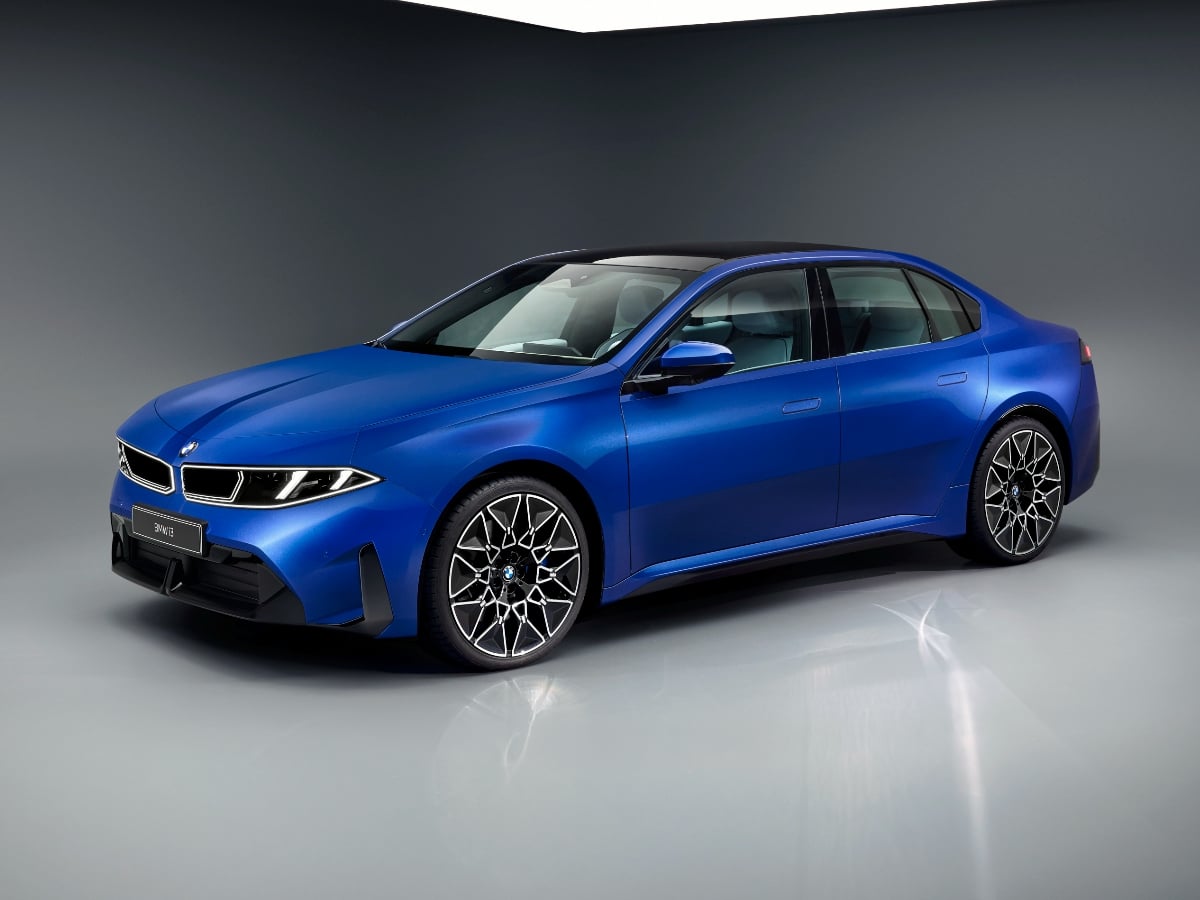
The new 2027 BMW i3 boasts an estimated range of up to 440 miles, 400-kilowatt DC fast charging capability, bidirectional charging to a home or the grid, and next-generation technology.
Read the Full Article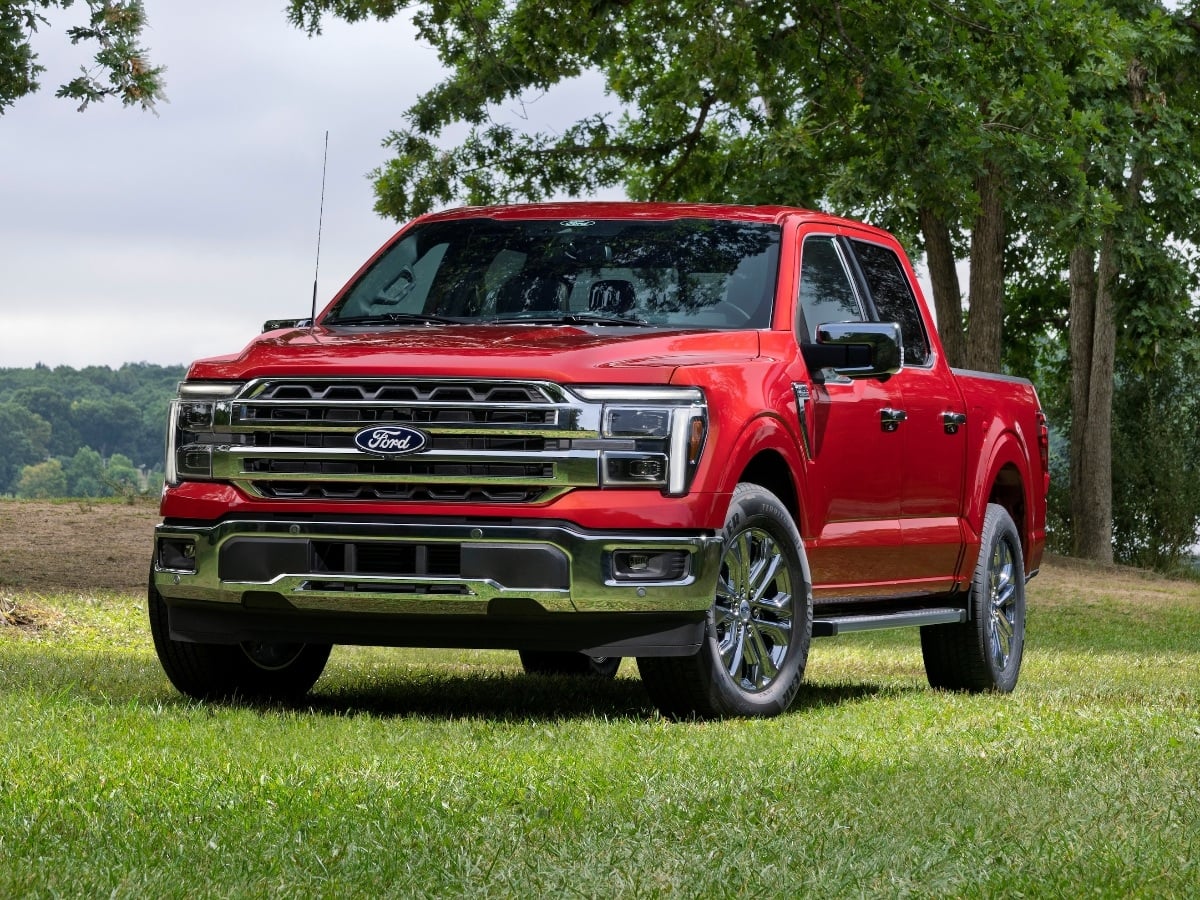
Facing renewed competition in the full-size, light duty pickup truck segment, the 2027 Ford F-150 receives subtle styling updates, a new standard engine, broader availability of its 5.0-liter V8, and ...See More
Read the Full Article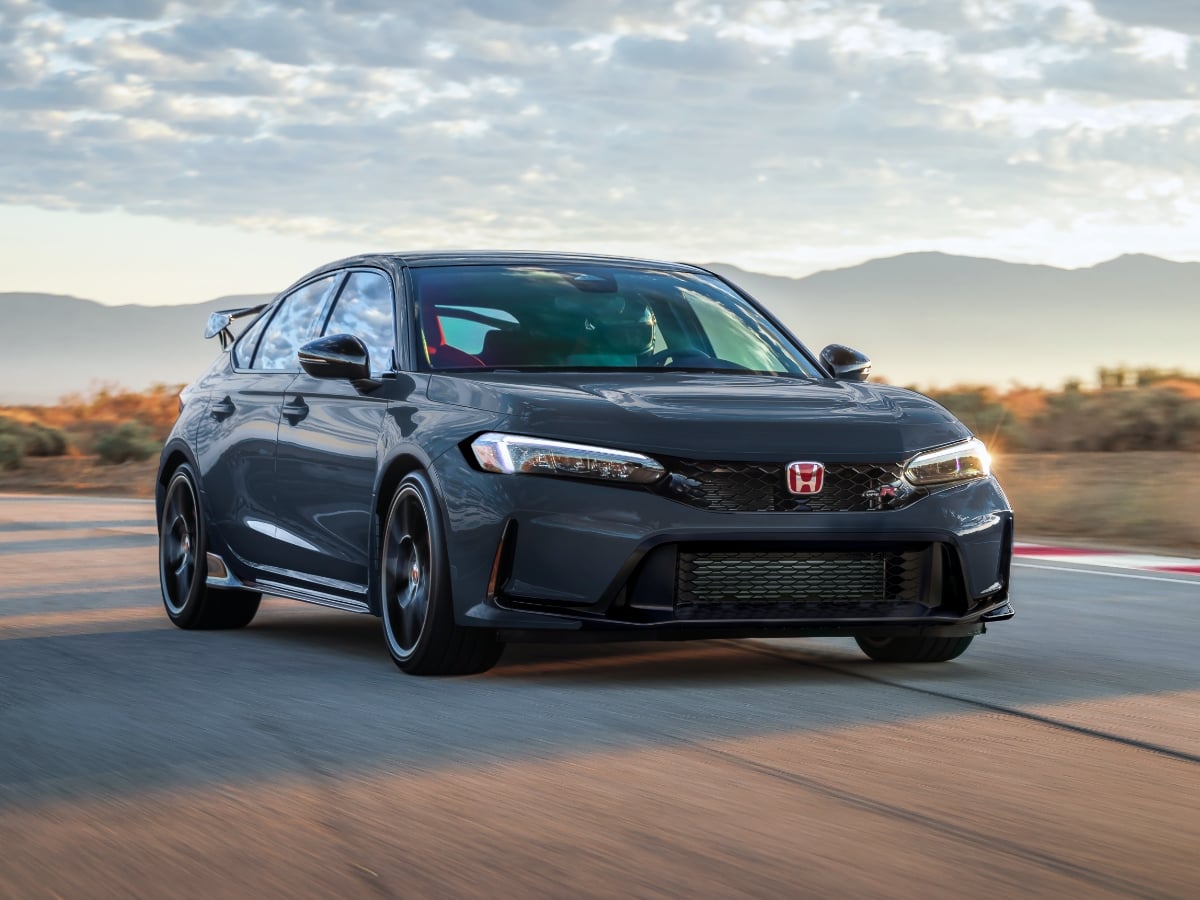
The 2027 Civic Type R goes on sale in October 2026, and it starts at $49,990, including the $1,295 destination charge.
Read the Full Article
Part of BMW’s Neue Klasse (new class) rollout of redesigned models, the 2027 BMW 3 Series is all-new and goes on sale in the first quarter of 2027.
Read the Full Article