
 BMW's first plug-in hybrid Sport Activity Vehicle (SAV) will arrive in U.S. showrooms in the fall of 2015. The X5 xDrive40e combines BMW's award-winning 2.0-liter, turbo 4-cylinder engine with an electric motor, powered by a Lithium-ion battery, integrated into its 8-speed automatic transmission. The vehicle can travel approximately 13 miles on pure electric power, according to BMW. Working together, the gasoline engine and electric motor produce 308 horsepower and 332 lb.-ft. of torque, which the automaker says will allow acceleration from 0 to 60 mph in 6.5 seconds. The vehicle also features xDrive, BMW's proprietary intelligent all-wheel-drive (AWD) system.
 el or electricity consumption, recuperation of electrical energy in the high-voltage battery, and the progress of vehicle charging can all be shown in the instrument cluster. Timer-controlled cooling or heating, via the vehicle's dual-zone climate control, allows more accurate regulation of temperature in the cabin from the moment drivers and passengers enter the vehicle. The high-voltage battery can also be cooled so that it is in an optimum operating state at the time of departure. The electrically powered auxiliary heating and ventilation function is also part of the standard specification on the BMW X5 xDrive40e. It can either run on grid power during vehicle charging or be powered by the high-voltage battery if it has sufficient capacity.
 an 8-speed Steptronic transmission and the BMW xDrive intelligent AWD system. Steering wheel shift paddles are optional. The eDrive button on the center console lets the driver modify the powertrain control. The BMW X5 xDrive40e comes standard with a Driving Dynamics Control switch, like its conventionally powered counterpart. This can be used to activate the vehicle set-up modes--Comfort, Sport, and Eco Pro--each having the effect of altering the throttle mapping, steering characteristics, transmission responses, and the characteristics of the standard Dynamic Damper Control.


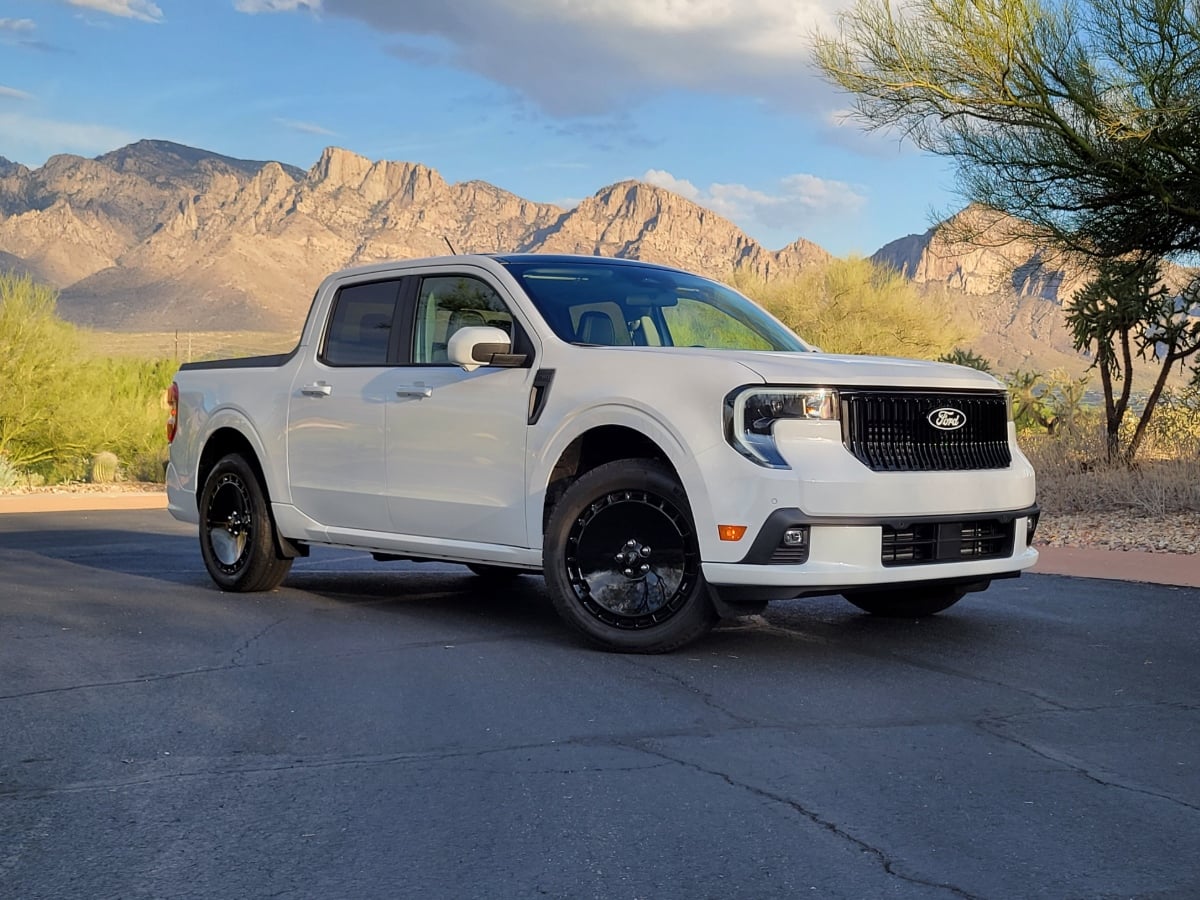
If you are searching for the best deals on the most popular new trucks in July 2026, your search ends here. We researched the latest incentives and offers for the 10 top-selling trucks in America. ...See More
Read the Full Article
If you are searching for the best deals on the hottest new SUVs in July 2026, your search ends here. We researched the latest car incentives and offers for the 20 top-selling SUV models in America. ...See More
Read the Full Article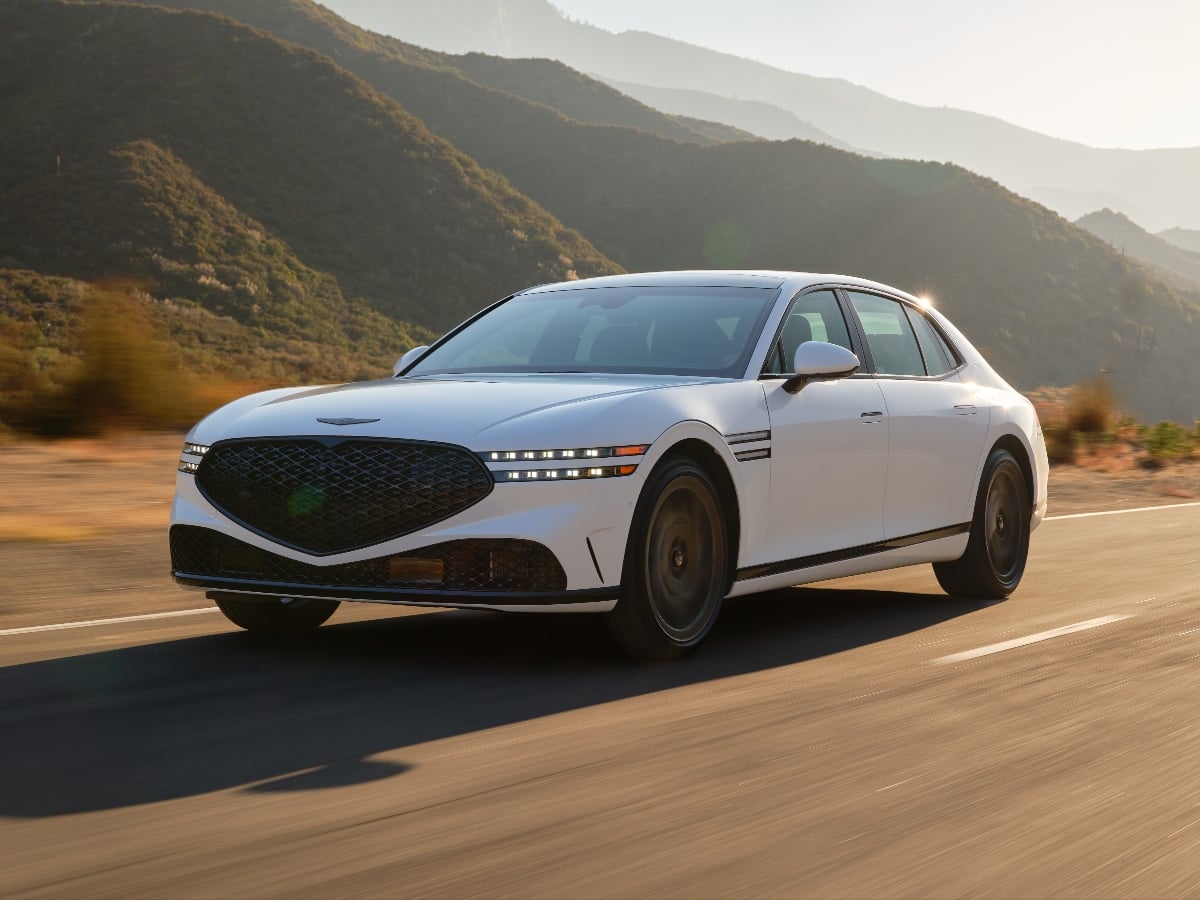
The United States of America is celebrating its 250th anniversary this month, and automakers are capitalizing on the nation’s excitement by offering strong cash and financing incentives on new cars. ...See More
Read the Full Article
Check out our list for some of the best lease deals on a new car, truck, SUV, or van in June 2026. The list includes a mix of models from domestic and foreign brands, with gas, hybrid, and ...See More
Read the Full Article