
 Since its North American debut for the 2001 model year, the Toyota Prius has become the poster child for the "green" movement among U.S. new-car buyers. Toyota proudly states that the Prius was the first mass-produced gas-electric hybrid vehicle available for sale in the U.S. Honda, makers of the gas-electric hybrid Insight from 2000-06, might dispute that claim, but the Prius was the clear favorite among new-car buyers at the time, outselling the Insight by a large margin. And unlike the stillborn GM EV1 electric car that first hit the market in the late 1990s and was handicapped by its limited range and 2-door/2-passenger design, the Toyota's 5-door hatchback/5-passenger design and extended range appealed to buyers. Following its initial success, the second-generation Prius debuted for 2004 and introduced Toyota's Hybrid Synergy Drive system. Larger and offering more creature features than the original, the second-gen Prius also provides increased economy and, by most accounts, better driving dynamics. Continuing to build a loyal following, the Toyota Prius is now among the top 20 best-selling models in the U.S.
 In designing the new 2010 Prius, Toyota engineers were careful to refine existing systems while adding significant new technological features. With regard to exterior design, the goal was to create a beautiful silhouette while not compromising function, according to the company. Designers preserved the dynamic triangle form of the current model but made alterations to the overall profile, pillar position and angle. The front pillar was extended forward, helping to refine the form and give it a more sporting appearance, the company says. The overall height of the Prius is the same, but the peak of the roofline has been moved 3.9 inches rearward. This, according to Toyota, emphasizes the car's wedge shape and also allows for enhanced rear head room and improved aerodynamics. The wheelbase (the distance between the front and rear axles) is unchanged, and overall length is up by a mere 0.6 inches.
 The interior of the new 2010 Toyota Prius is enhanced with a center cluster that flows smoothly from the instrument panel to the console. Simple, fin-type air vents are consistent with the cabin's efficient appearance, and judicious use of silver accents adds a finished, technical feel, according to Toyota. Proving that small changes add up to big gains, the cargo area of the new Prius was expanded 0.4 inches in length and 2.2 inches in width by using a new and improved layout of the battery cooling unit. Rear-seat leg room is enhanced by a new space-saving contoured front-seat design. Also, storage space has been added under the shift lever thanks to the Prius' shift-by-wire system.
 Although Toyota claims that the powertrain in the new 2010 Prius is 90-percent newly developed, they've kept the approach the same: combine a small-displacement 4-cylinder engine with an electric motor to achieve class-leading fuel economy-in this case, a claimed 50 mpg in combined driving.
 In internal tests, the new Prius was able to travel from 0 to 60 mph in 9.8 seconds-over a full second faster than the previous model.
 Toyota says that the new 2010 Prius was designed to comply with the strictest current and future government collision safety requirements for each global region in which the car will be sold. In addition to advanced driver and front passenger air bags, front and rear side curtain air bags will be standard, as well as driver and front passenger seat-mounted side air bags and a driver's knee air bag. Active headrests are used in both front seats to reduce the possibility of whiplash in a collision. Toyota's Star Safety System-anti-lock brakes, electronic brake-force distribution, brake assist, electronic traction control and Vehicle Stability Control (VSC)-is standard on every 2010 Toyota Prius.
 Similar to the new , Toyota will use plant-based, carbon-neutral "ecological plastics" in the manufacture of the 2010 Prius. According to the company, ecological plastic emits less CO2 during the vehicle's product lifecycle, and it also helps reduce petroleum use. The newly developed plastics will be used in the seat cushion foam, cowl side trim, inner and outer scuff plates, and deck trim cover.


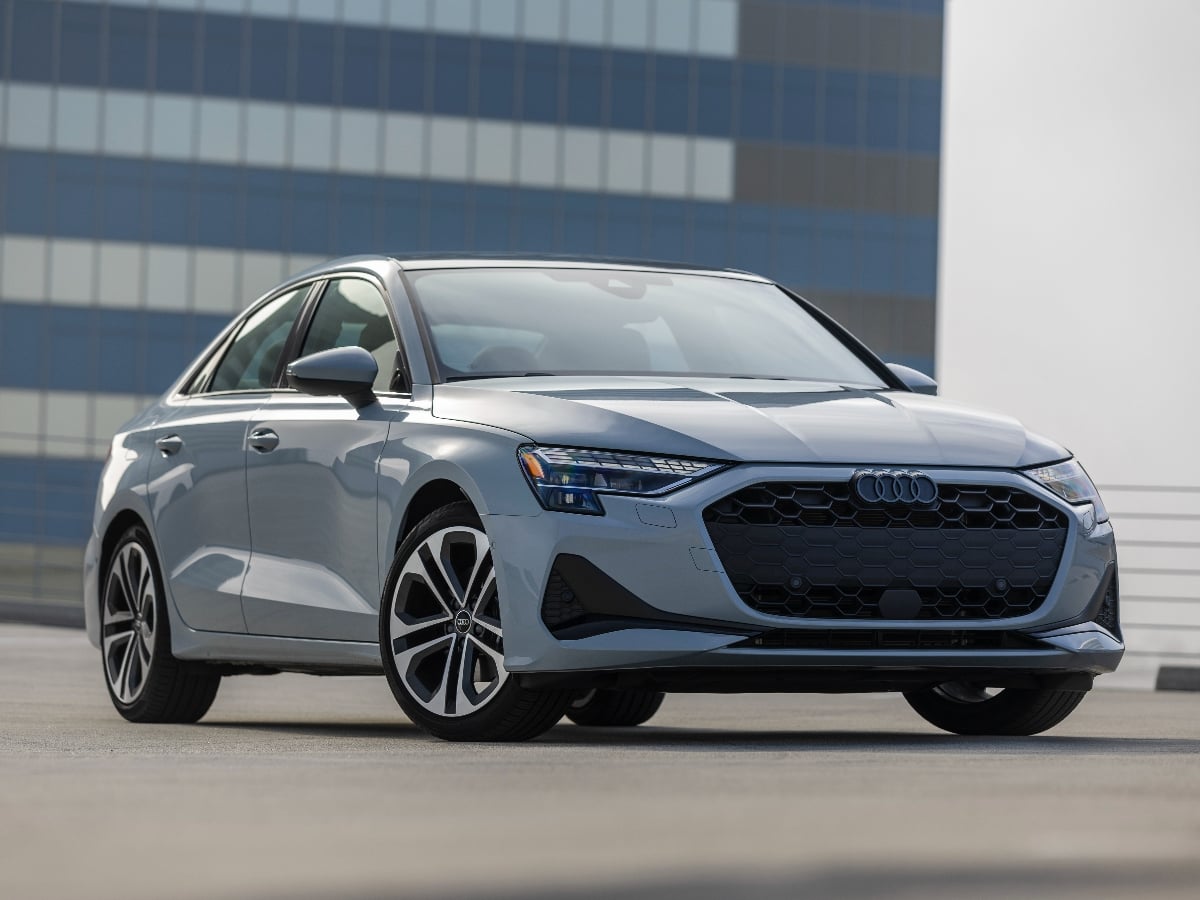
Check out our list of some of the best lease deals on a new car, truck, SUV, or van in July 2026. The list below includes a mix of models from domestic and foreign brands, mainstream and luxury ...See More
Read the Full Article
Are you looking for the best deals on the hottest new cars in July 2026? Look no further. We researched the latest car incentives and offers for the top 10 best-selling cars in America. Here, listed ...See More
Read the Full Article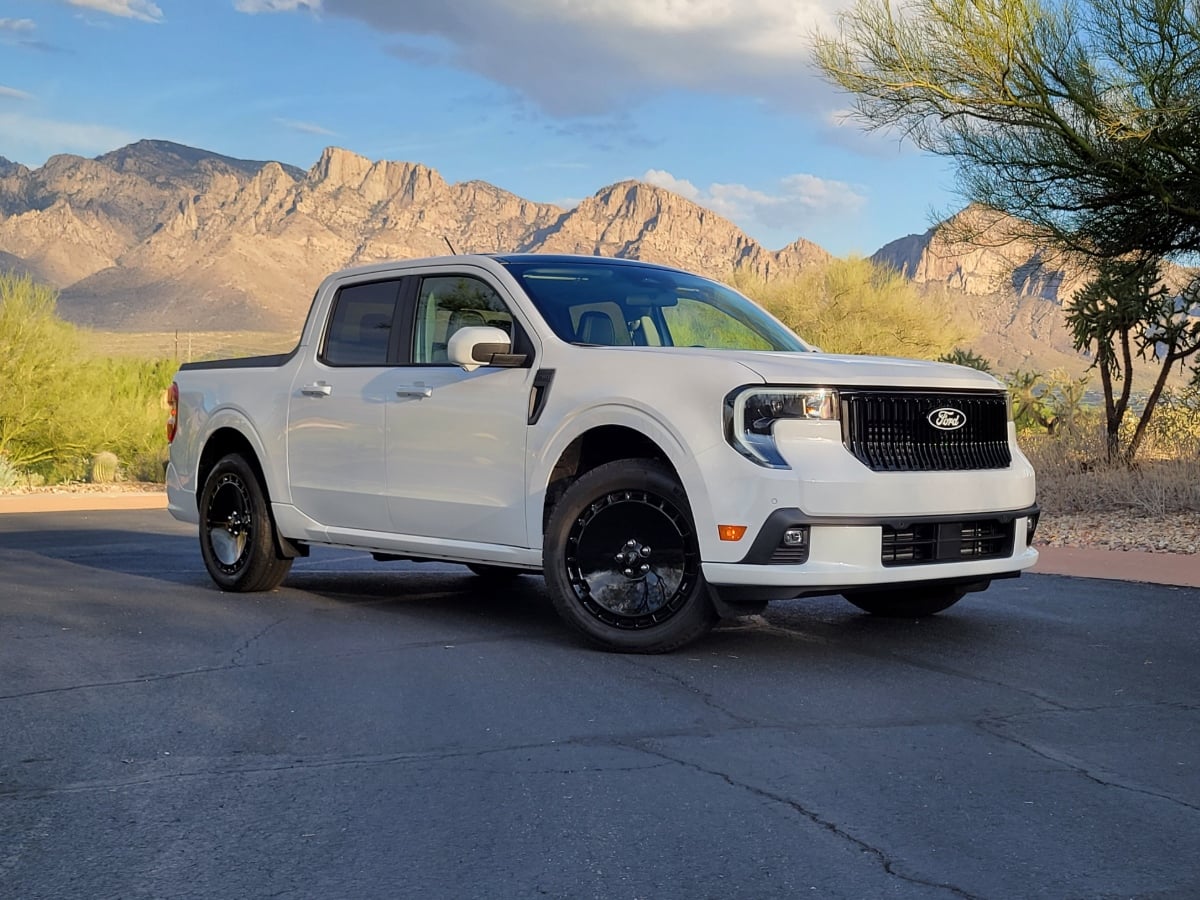
If you are searching for the best deals on the most popular new trucks in July 2026, your search ends here. We researched the latest incentives and offers for the 10 top-selling trucks in America. ...See More
Read the Full Article
If you are searching for the best deals on the hottest new SUVs in July 2026, your search ends here. We researched the latest car incentives and offers for the 20 top-selling SUV models in America. ...See More
Read the Full Article