

Saab, the Swedish automaker known for its "quirky" design, center-console-mounted ignition and its "Born From Jets" ad campaign touting the company's aircraft heritage, is getting a fresh start. As the brand transitions to new ownership, Saab is returning to its roots, focusing on aircraft-inspired, progressive Scandinavian design and a driver-oriented cockpit. The first model to emerge from the "new" Saab is the redesigned, 2010 Saab 9-5 premium sport sedan-the brand's flagship model, which joins the existing Saab 9-3 lineup and the 9-7X sport utility.
The redesigned 2010 Saab 9-5 features a completely new look, taking cues from the Aero X concept car. Available with an array of high-tech features, including adaptive lighting, adaptive cruise control, driver-selectable adaptive chassis control with real-time damping, and Saab's XWD (cross-wheel-drive) technology, the redesigned 9-5 sedan will also offer an array of turbocharged engines. Available in Linear, Vector and Aero models, the new 9-5 sedan will be built at the company's headquarters in Trollh_ttan, Sweden, and will be available later in the 2010 model year.
 With the introduction of the redesigned 2010 9-5 sedan, Saab is clearly heading in a new direction in terms of vehicle design-one that makes a bold new statement yet still pays homage to the company's aircraft heritage. And while the company has kept its focus on a driver-oriented cockpit (complete with the vehicle's ignition between the seats), the most striking element of the new 9-5 is its exterior design, which includes a deep grille flanked with curving, ice-block headlamp units; rear light bar; wraparound window glass; a falling roofline; fenders that "melt" into the wheels; and a recessed rear window. Frontal styling is inspired by the Aero X concept car, and the new 9-5 features some familiar Saab brand cues, such as the "hockey stick" belt line.
 In addition to its new design, the redesigned 2010 Saab 9-5 sport sedan features an array of high-tech features, including an aircraft-like, head-up information display (Pilot HUD); adaptive lighting (Bi-Xenon Smart Beam); adaptive cruise control; Saab DriveSense adaptive chassis with real-time damping control; keyless entry and starting; tri-zone air conditioning; dynamic parking assistance; and Saab XWD with a rear eLSD.


Although both the 2026 Toyota Corolla and Toyota Camry share Toyota engineering and many standard features, they target different buyers. To see how they compare in value, reliability, performance, ...See More
Read the Full Article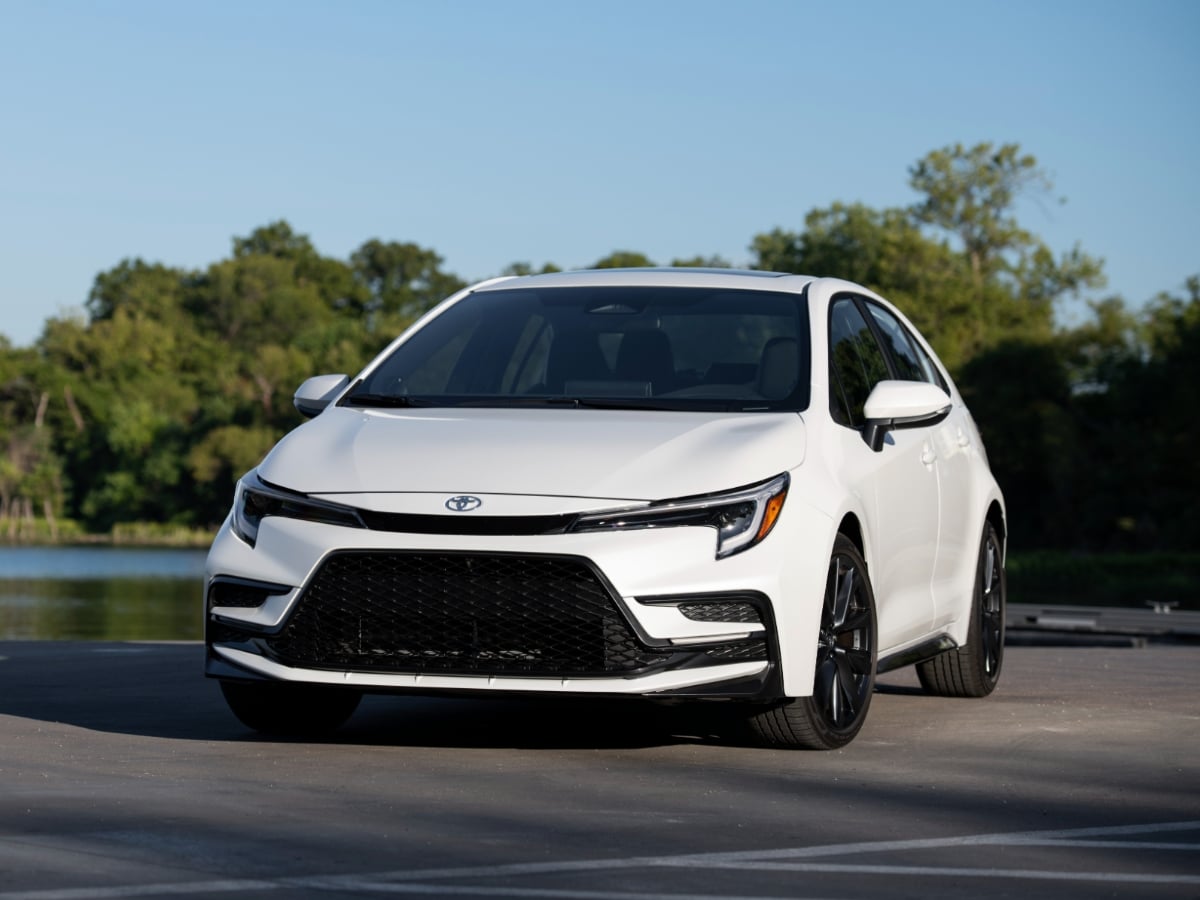
Both the 2026 Toyota Corolla and the 2026 Mazda Mazda3 come with comprehensive safety features and connected services, along with large infotainment screens and premium audio. To see how their ...See More
Read the Full Article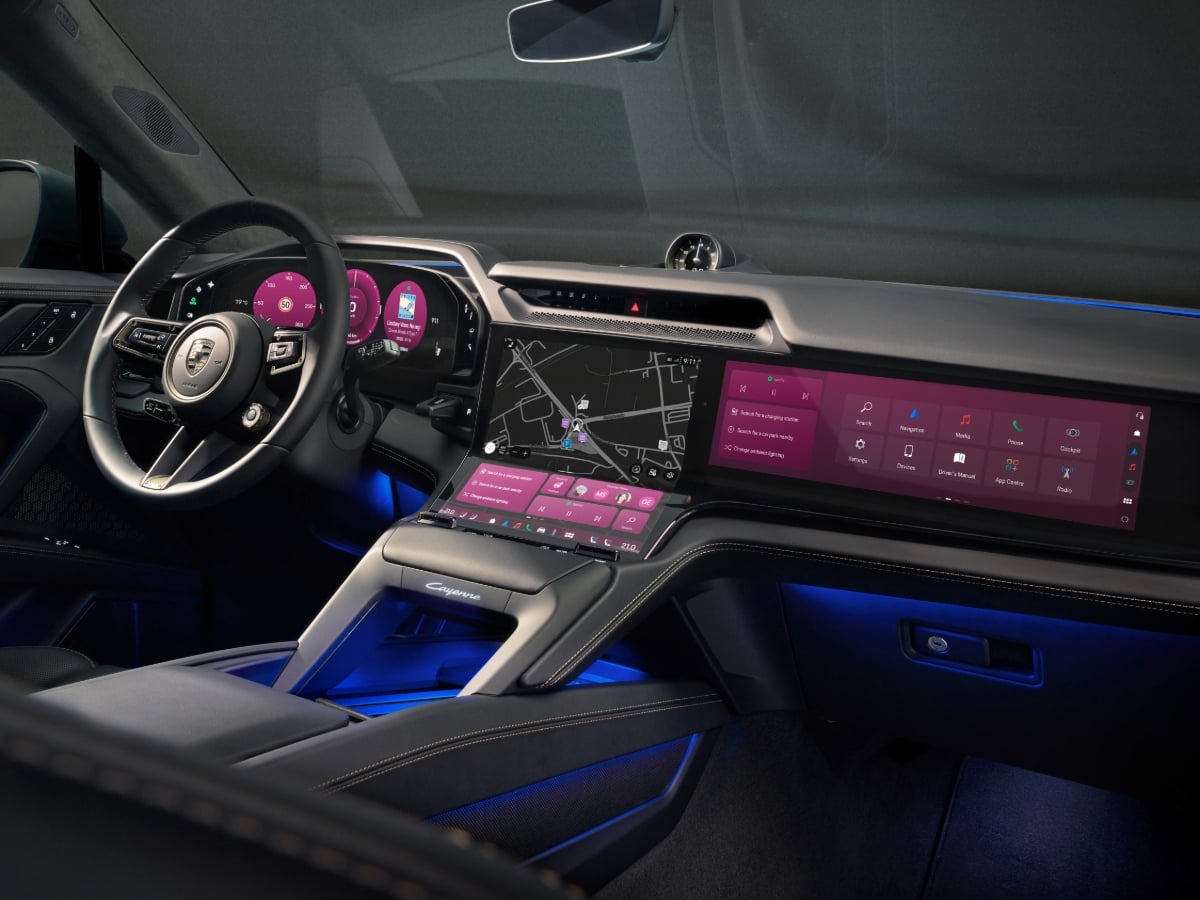
Touchscreens are almost universal in modern cars. However, not all display types are the same. An increasing number of the latest cars use something called an OLED display. But what exactly is OLED, ...See More
Read the Full Article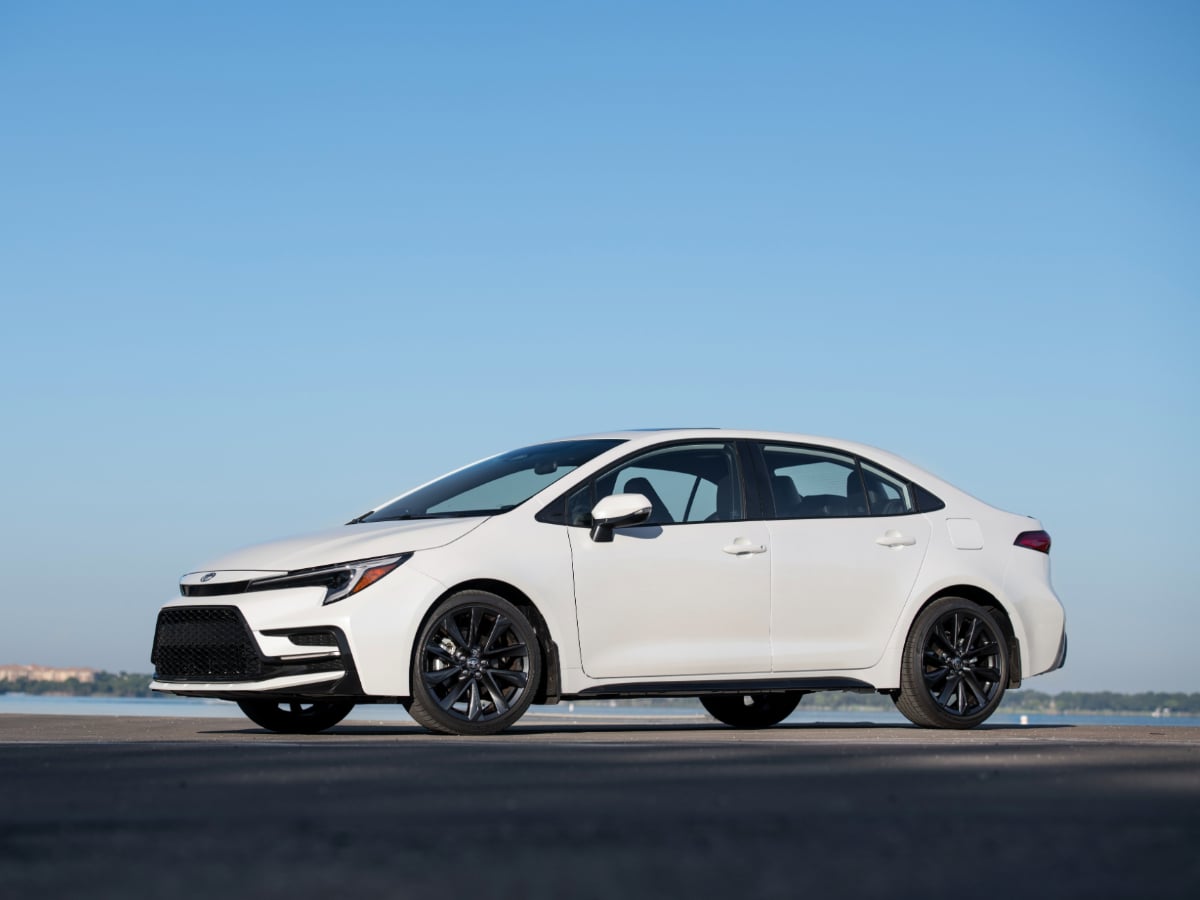
Although the 2026 Toyota Corolla and the 2026 Nissan Sentra target buyers with similar goals, they take different routes. To see how those approaches translate into real world value, reliability, ...See More
Read the Full Article