

 Aston Martin has been building-and racing-passionate automobiles for nearly a century. Memorable cars such as the DBR1, DB2, DB5 and Vantage mix with racing names like Nurburgring, the French Grand Prix, Le Mans and Spa. The world's most demanding customers ask for sophisticated high-performance sports cars from Aston Martin. Joining the DB9, V8 Vantage and V8 Vantage-Roadster in the 2008 model range, the Aston Martin DBS was built to slot above the DB9 and just below the track-dedicated thoroughbred DBR9. The chosen sports car of fictional British secret agent James Bond (and previewed in Casino Royale, the latest Bond movie), the DBS will be available to the public in early 2008.
 All share an identical powerplant, 20-inch wheels and sleek composite bodywork. Standard interior appointments include semi-aniline leather and Alcantera upholstery. Matrix alloy trim with Iridium Silver finish on the center console complete the interior. Standard sport seats are heated, with 10-way electric adjustments.
 As a result, it is the first Aston Martin to use extensive race-derived aluminum, magnesium-alloy and ultra-light carbon-fiber panels for construction. Following the DB9 and its sibling DB9R and DBRS9 racecars, the new DBS utilizes Aston Martin's class-leading all-alloy VH (Vertical Horizontal) architecture-a process of bonding aluminum components into a strong and rigid chassis. Using advanced aerospace manufacturing techniques for production, carbon-fiber and aluminum panels save weight, and add additional rigidity to the vehicle. A patented "Surface Veil" process adds a 200-micron layer of epoxy to the final exterior surface, creating a class-A surface that meets Aston Martin's tradition of high-quality finishes.
 Rated at 510 hp, with 420 lb.-ft. of torque, the engine is connected to a standard 6-speed manual transmission. A carbon fiber drive shaft is employed to take the power to the limited-slip differential powering the rear wheels. Twenty-inch wheels, wrapped in specially developed Pirelli P Zero tires, apply the power to the pavement. Sixty miles per hour is reached in just over 4 seconds, with a top speed just over 190 mph.
 Electronic control-in the form of a sophisticated Adaptive Damping System (ADS)-uses different valves to set the dampers to one of five settings, ensuring the driver has complete control at all times. Damper settings are determined by a series of sensors reading vehicle speed, throttle position, brake position and steering wheel angle. The data is processed by an electronic control unit to establish the prevailing driving conditions initiated by the driver. A dedicated "Track" mode automatically sets all dampers to their firmest setting-ideal for what Aston Martin calls "circuit driving."


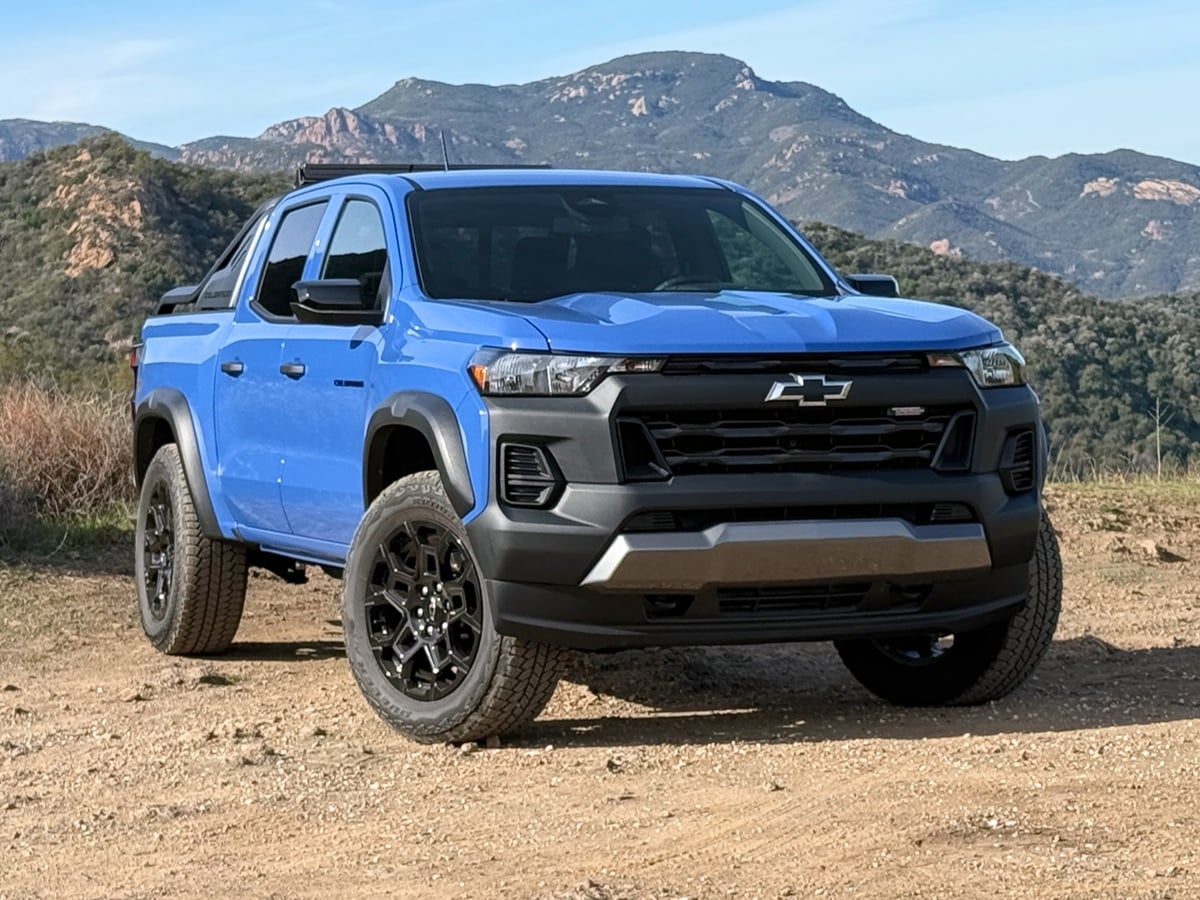
With the 2027 model year upon us, automakers are looking to sell off their 2026 model inventories. Even some 2027 models have great lease deals. Check out our list for some of the best lease deals on ...See More
Read the Full Article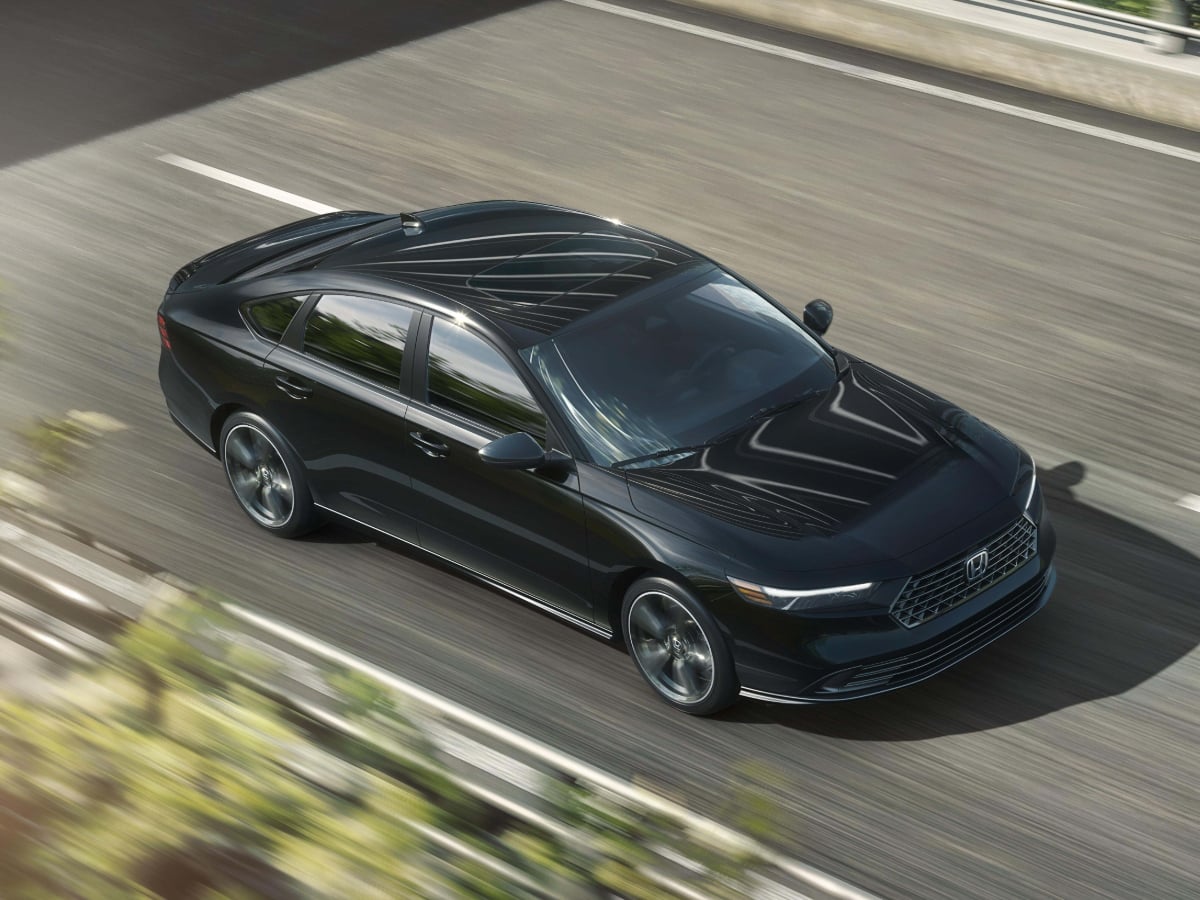
Are you looking for the best deals on the hottest new cars in October 2026? Look no further. We researched the latest car incentives and offers for America’s 10 top-selling cars.* Here, listed ...See More
Read the Full Article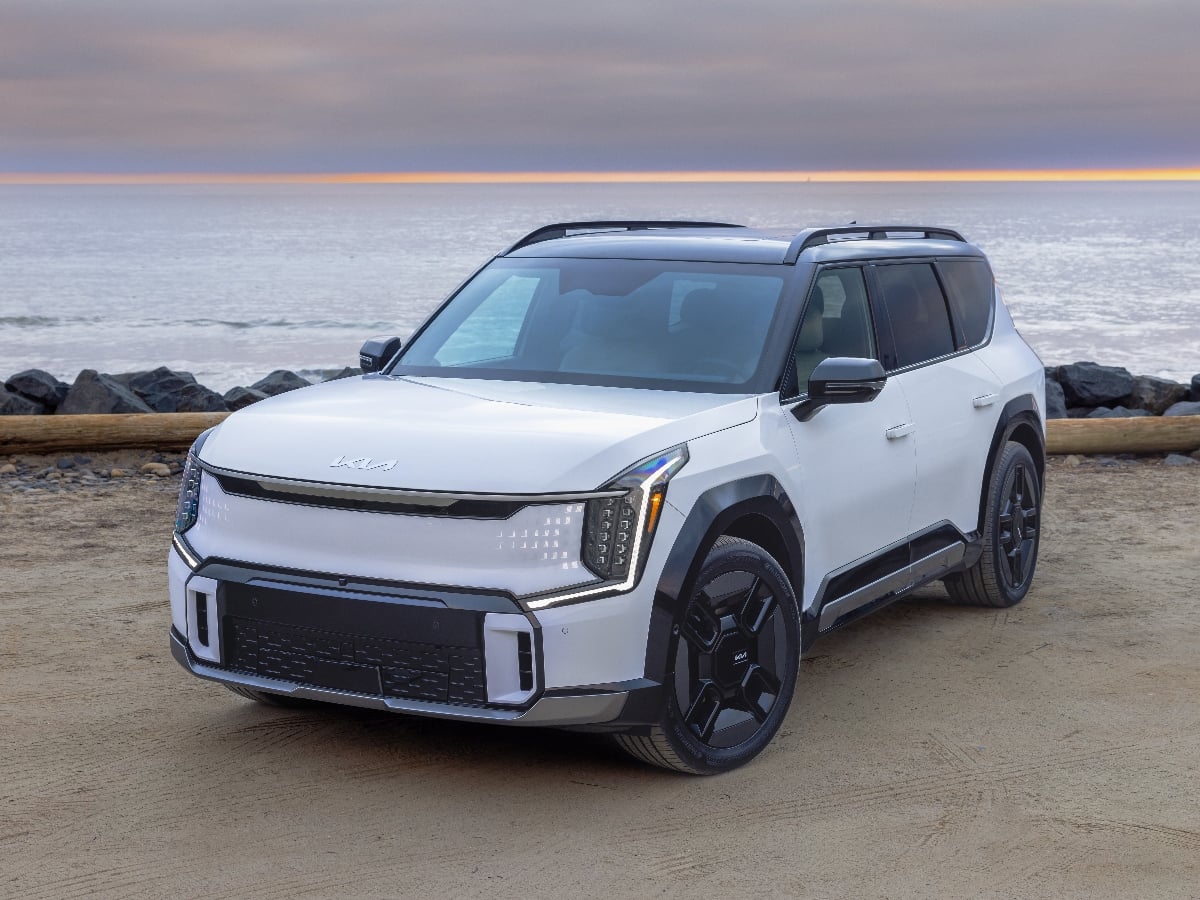
Fall is officially here, and with the 2027 model year now upon us, automakers still have a healthy supply of 2026 models to clear out. See the list for current rebates, incentives, and loan discount ...See More
Read the Full Article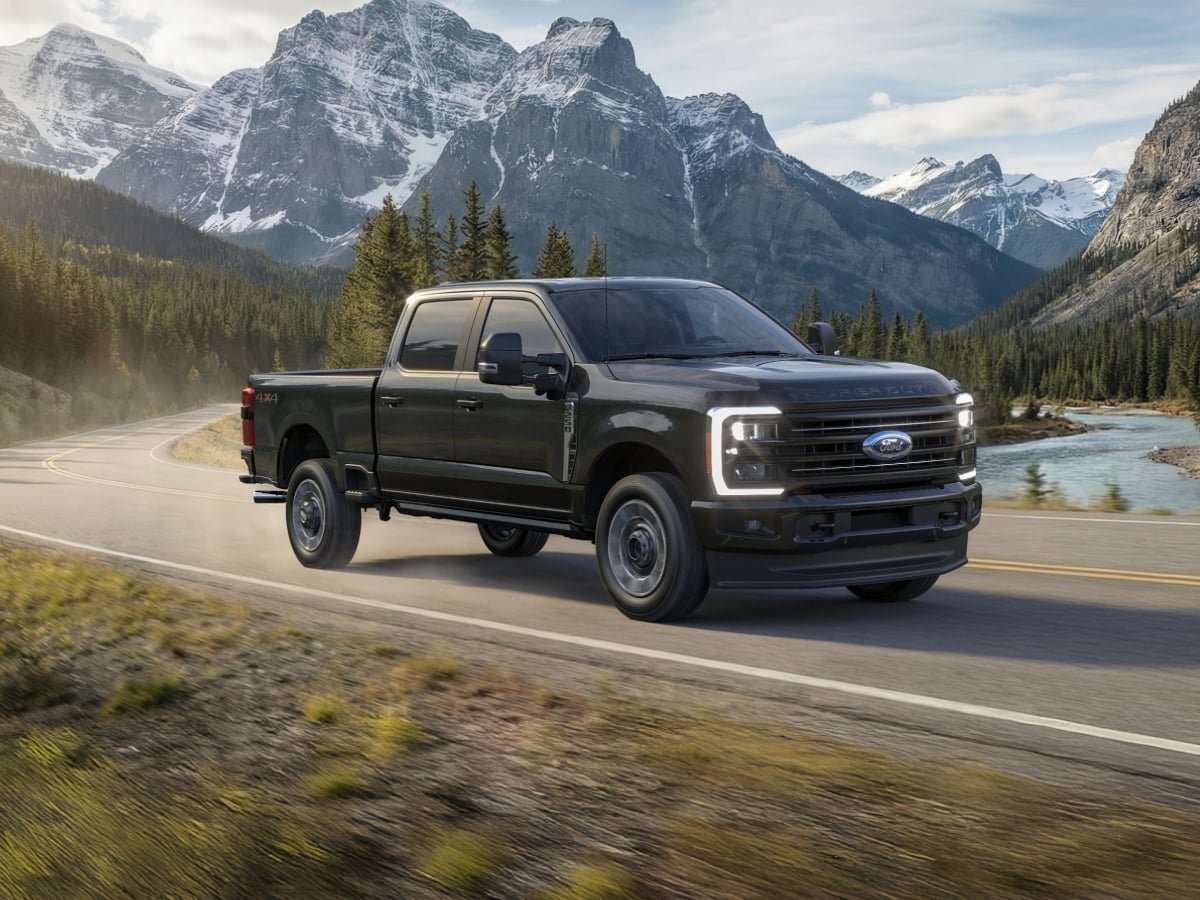
If you are searching for the best deals on the most popular new trucks in October 2026, your search ends here. We researched the latest incentives and offers for America's 10 top-selling trucks.* ...See More
Read the Full Article