No data
No data
402 - 570
1 speed, Automatic
Electric
All Wheel Drive
In our previous review of BMW’s iX electric SUV, our independent expert found it a fundamentally likeable machine. Indeed, for a sizeable two-row SUV that seats five comfortably, it's quick and fun yet plush and luxurious too. But its in-your-face styling might not appeal to everyone. The revised 2026 iX takes all those positive attributes and dials them up another notch, but is it good enough to win over those critical of the visual design?

Photo: Tim Stevens
For 2026, BMW makes several changes to the iX lineup:
The newly expanded lineup includes the entry-level xDrive45 trim, starting at $75,150. The next step up is the new xDrive60 trim, starting at $88,500. At the top of the pile is the M70 xDrive, which offers more power than before, but at a higher cost: $111,500.
For this 2026 iX review, BMW provided an example of all three trim levels. However, for this review, I'll focus primarily on the xDrive45, which will likely be the one most buyers target. My primary test vehicle had the following significant options:
The test vehicle's manufacturer's suggested retail price (MSRP) was $96,275, including the $1,175 destination charge to ship the SUV to your local dealership from the Dingolfing, Germany, assembly plant.
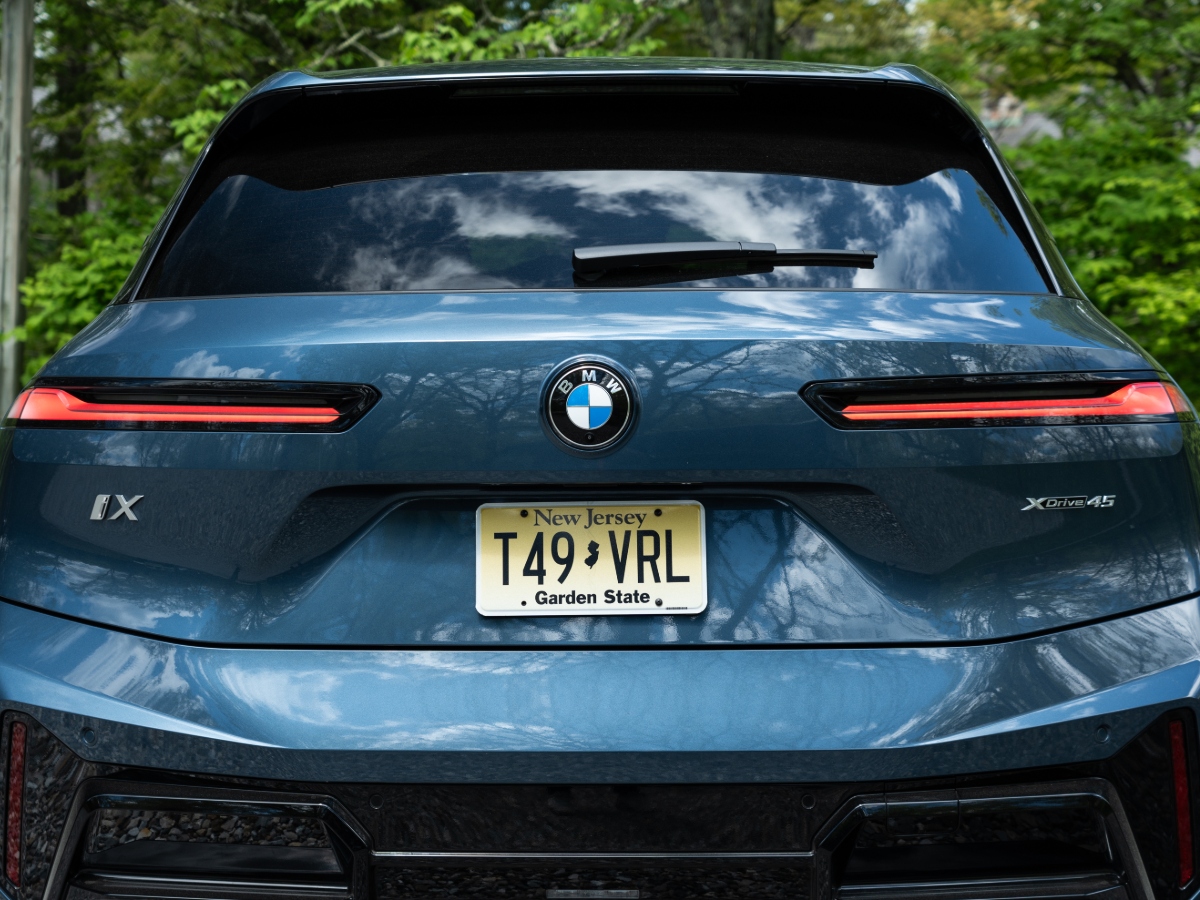
Photo: Tim Stevens
While there are myriad minor differences as you move between the three revised 2026 BMW iX trim levels, the biggest is the amount of power and range each offers.
The new xDrive45 replaces the former xDrive50 as the entry-level machine, bringing a much more attractive price: $75,150 vs. the xDrive50's $87,250 MSRP.
Why is the new xDrive45 so much cheaper? Well, it's slower, for one thing: a total system output of 402 hp and 516 pound-feet of torque from dual motors, compared to 516 hp and 564 pound-feet in the former xDrive50. Battery size is also down slightly, to 100.1 kilowatt hours (kWh) usable vs. 110.4, but range increases, from a maximum of 309 miles in the xDrive50 to 312 in the new xDrive45.
Step up to the new xDrive60 and you will have yet more range—up to 340 miles on a charge of its 113.4-kWh battery—plus a maximum system output of 536 hp and 564 pound-feet of torque. So, the same torque as the outgoing xDrive50 but more power and more than 30 extra miles of range for an $88,500 MSRP that's just $1,000 more than the previous entry-level model.
Then there's the new top-shelf M70 xDrive, replacing the old M60 xDrive with a whopping 650 hp and 811 pound-feet of torque. That's up from 610 and 749, but range increases here as well, with an expected 302 miles on a charge of its 112.8-kWh battery. That's a nice bump over the outgoing M60's 285 miles. The price, though, remains the same as before: $111,500.
That's a significant premium over the xDrive45, and if you have that much extra in your discretionary account, more power to you. But, after spending some time in all three, I'd strongly recommend sticking with the base model.
The xDrive45 still gets off the line quickly, with enough throttle response in Sport mode to give an unsuspecting passenger whiplash. Only when you approach highway speeds do you start to feel the slight reduction in power compared to the older xDrive50.
The xDrive60, on the other hand, offers a slight boost in output compared to the former xDrive50. It, too, snaps off the line and launches forward without hesitation, but that eagerness continues at any speed. It's hard to imagine anyone finding it lacking in acceleration.
But there's one more step to go, up to the M70, a true rocket ship. BMW says it will go zero-to-60 mph in just 3.6 seconds and has a top speed of 155 mph. Useful if you live somewhere without speed limits, somewhat less so for the rest of us.
When it comes to the corners, all three machines feel quite similar. BMW augmented the xDrive45 I drove with the optional 22-inch wheels and Dynamic Handling package, which adds rear-wheel steering and an adaptive air suspension. Given that, it was every bit as nimble and fun as the M70, with a sharp steering response and more capable handling than you might expect from an SUV of this size. The rear-wheel steering also proved a real treat when making a few unexpected U-turns on narrow lanes.
Despite its size and the 22-inch wheels with lower-profile tires, the xDrive45 still proved remarkably comfortable on the numerous torn and broken roads stretching across the Northeastern United States this time of year. The compliance from that air suspension was remarkable and would surely be even better with standard 20-inch wheels.
The xDrive45 also proved quite efficient. On my test route, which included numerous stretches in Sport mode, I averaged an efficiency of 3.2 miles/kWh. Given the car's 100.1-kWh net battery pack, that's a theoretical maximum range of over 320 miles—well beyond the 279 miles the xDrive45 is officially rated for on the 22-inch wheels.
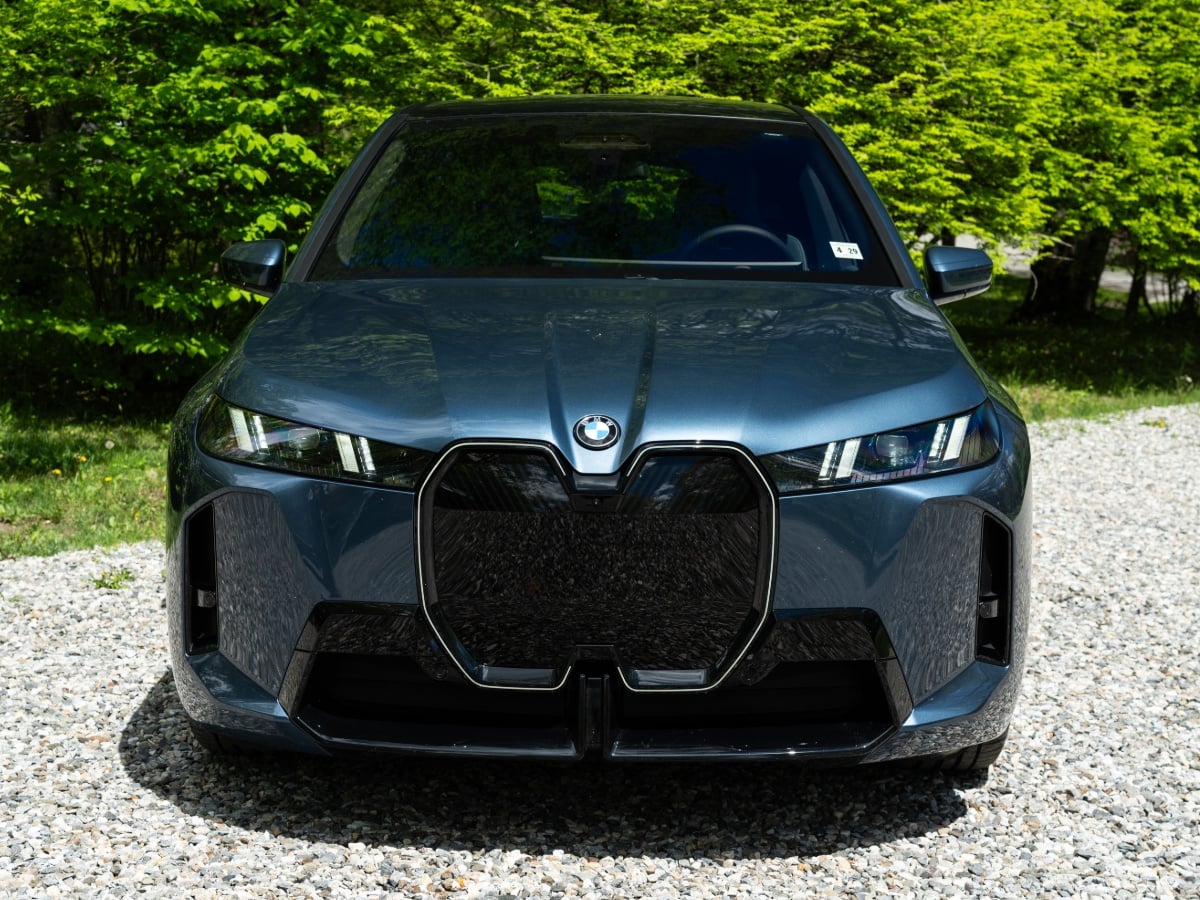
Photo: Tim Stevens
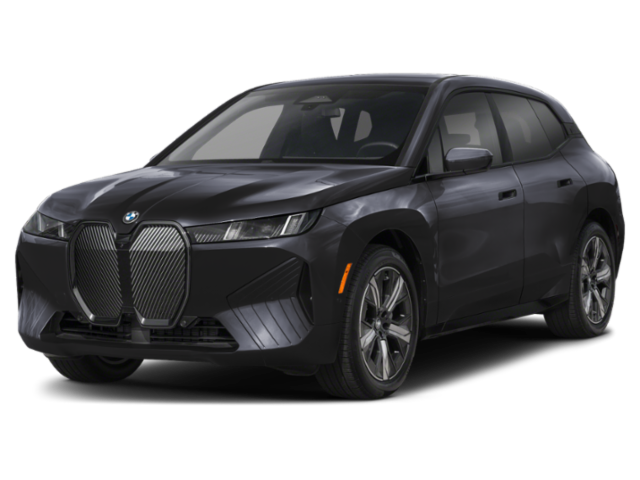
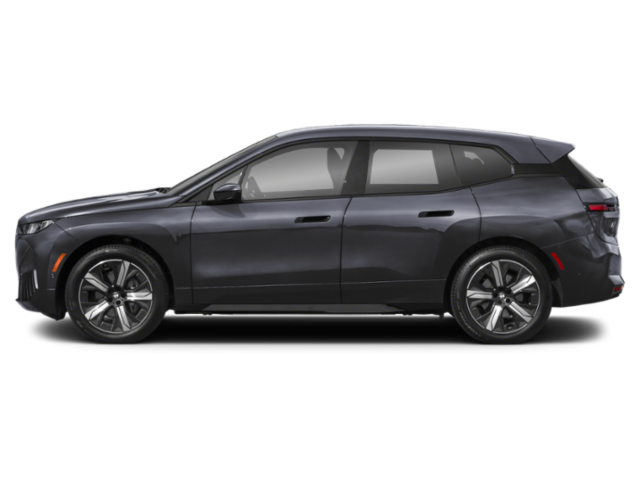
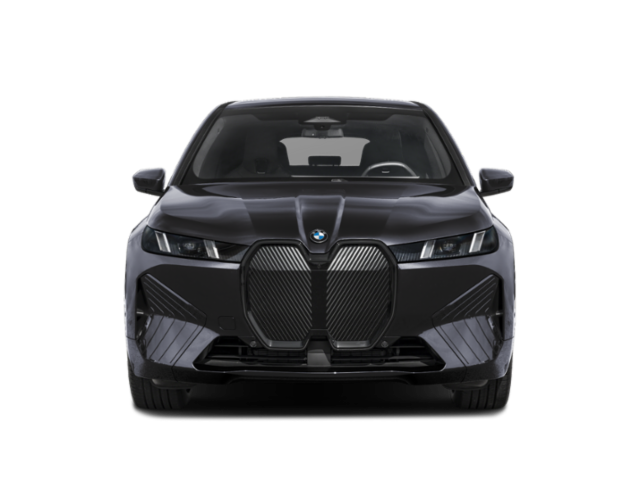
For better or worse, the subtle revisions to the look of the iX in 2026 probably won't win over any former haters. The iX still has the same shape and lines as before, still fronted by the giant grille. However, that grille is slightly different on the 2026 iX, now sporting a subtle pattern of diagonal lines that seems to visually change the proportions of the car slightly. For 2026, buyers can get that grille with integrated illumination if they're into that sort of thing.
The other changes have to do with the shape of the lower bumper, with the xDrive45 and xDrive60 both receiving what is basically the outgoing M60's bumper, featuring larger, vertical air inlets on either side.
The M70, then, has a new bumper, with even larger vertical air inlets on the sides and below, with more purposeful creases between. But add the M Sport package, and you can get this bumper cover on the lower-trim versions if you like, as it was on the xDrive45 I drove.
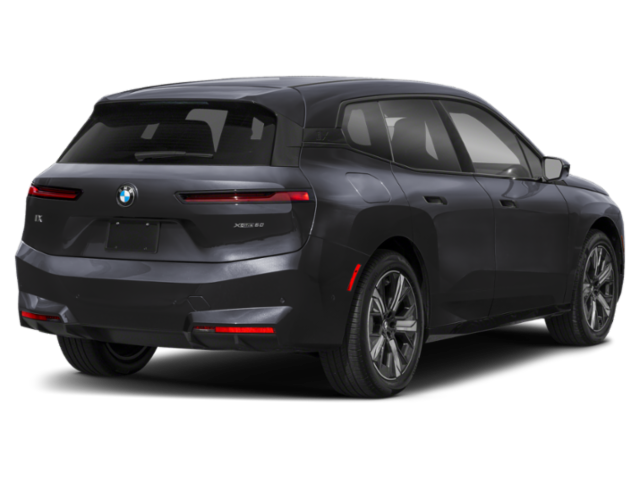
The last exterior change is paint. For 2026, BMW expands the iX's formerly limited palette to include five new metallic colors: Arctic Race Blue, Dune Grey, Carbon Black, BMW Individual Frozen Deep Grey, and Tanzanite Blue.
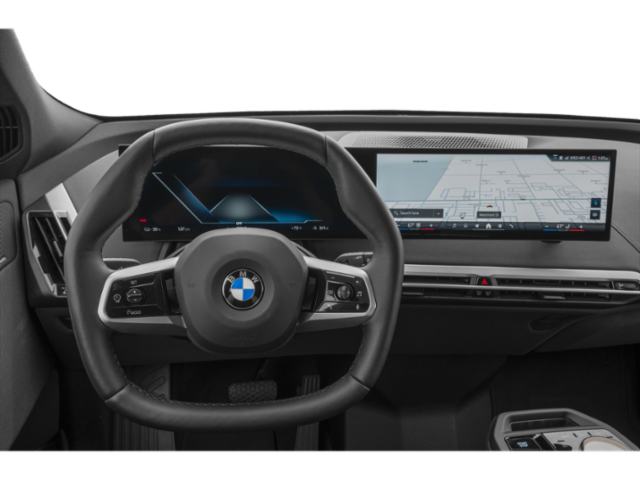
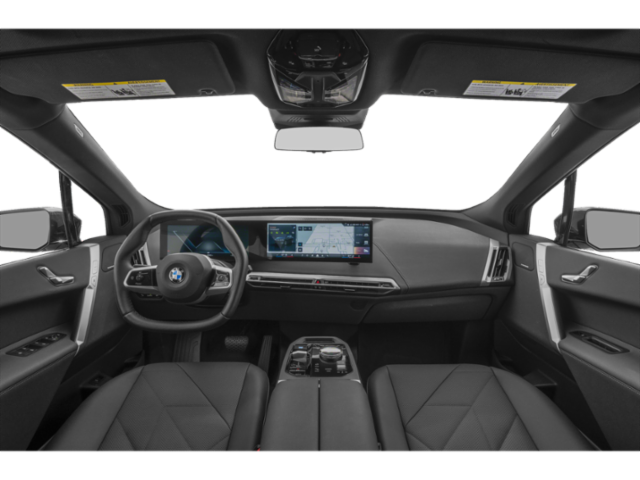
On the inside, very little has changed. You still have the same open, airy cockpit with its distinctive laid-back dashboard and sweeping set of elevated curved displays that form the gauge cluster and infotainment system. The overall look is just as striking as before.
The changes on the inside largely come down to options, which are more extensive than before. The most significant new addition is a set of sport seats available on all trims. On the xDrive45, BMW fits them with a diamond-patterned upholstery that is great to look at but even better to sit in. Those bolsters hold you in place far more snugly than the base seats, yet they're still soft and comfortable even for longer drives.
The sport seats are part of the M Sport package, which also includes extensive use of Alcantara and other materials to dress up the cockpit, plus a round M steering wheel that replaces the iX's usual hexagonal unit. I prefer the base SUV's steering wheel feel, as the M wheel seems unnecessarily plump. However, the M steering wheel has physical buttons instead of the capacitive-touch ones on the hex-shaped wheel, and that alone might just be worth the upgrade.
All those upgrades add some flair, but even with no options, the iX's interior is as welcoming as ever. It offers generous seating for five and 35.5 cubic feet of cargo space behind the second row and 77.9 cubic feet with the seats down.
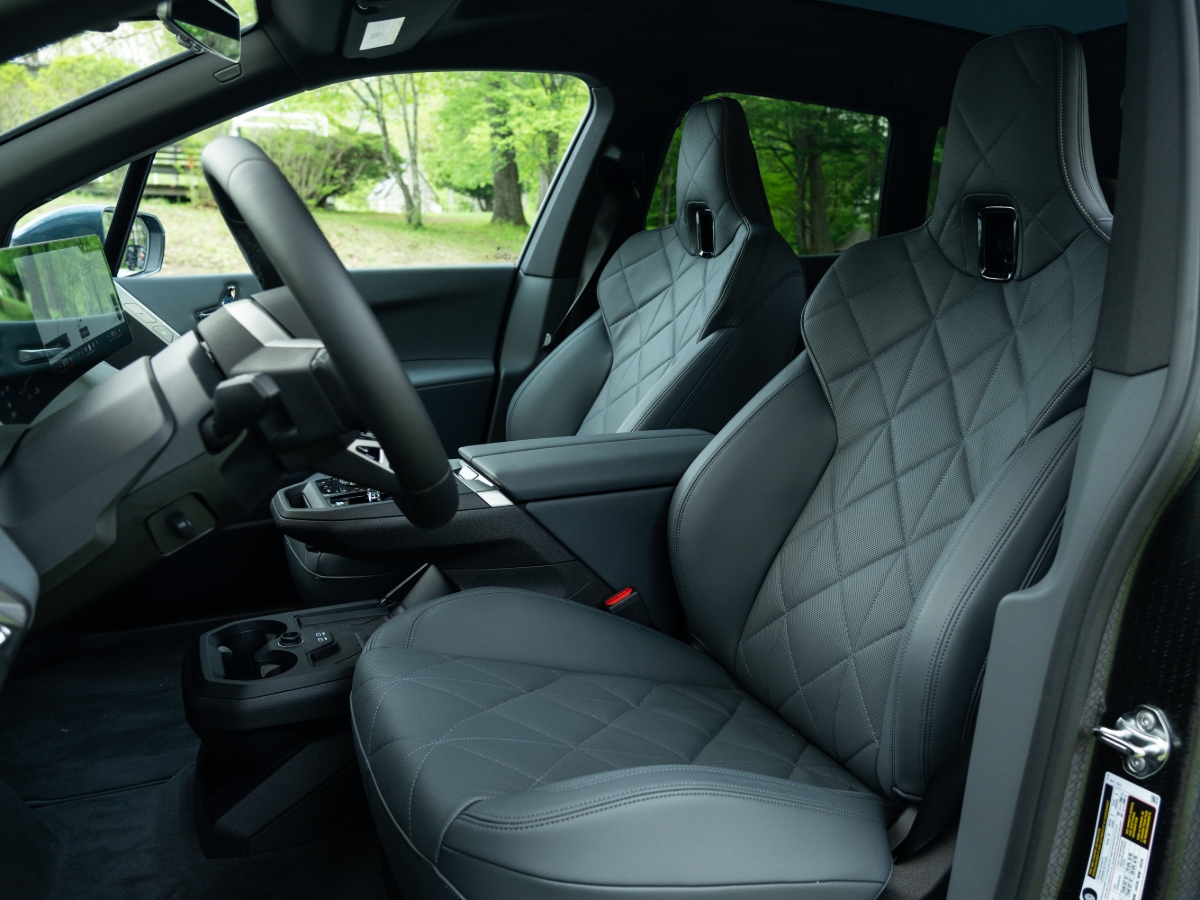
Photo: Tim Stevens
While the power and range updates are unquestionably the most notable upgrades, the 2026 BMW iX features a few other nice updates for fans of the latest tech.
The first is a slight expansion to the BMW Highway Assistant, a hands-off driver-assistance system that comes as part of the Driver Assistance Professional package. For the 2026 iX, BMW adds the Active Lane Change feature found on some of the company's other models. It allows you to change lanes simply by looking into the appropriate side-view mirror. This makes navigating through traffic a bit less taxing.
The other update concerns an enhanced version of BMW Digital Key Plus. Standard on all 2026 iX trims, BMW makes the setup process for using ultra-wideband-compatible smartphones and smartwatches much simpler and more reliable.
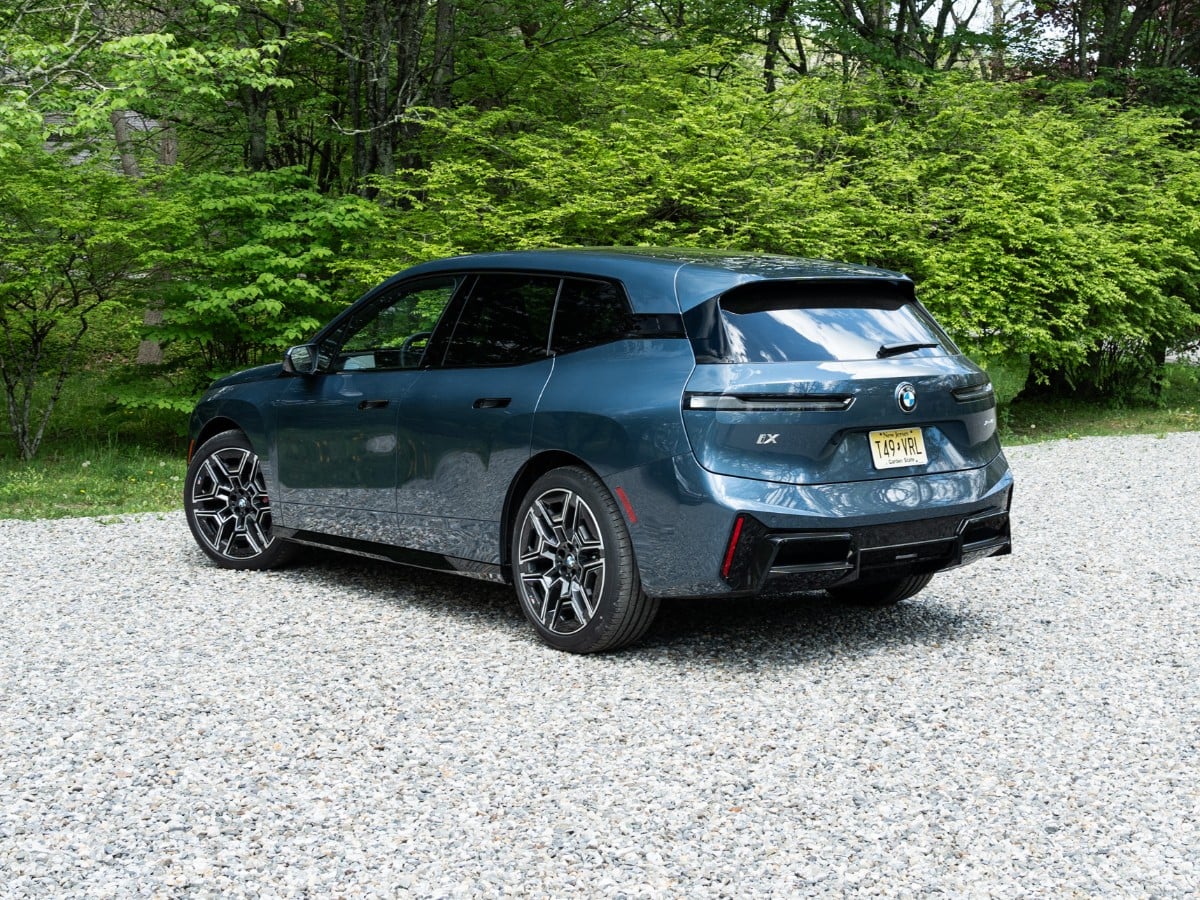
Photo: Tim Stevens
For 2026, BMW doesn't change the iX's formula. It still looks and feels much as it did before. Still, bringing additional power, range, and choices makes this electric SUV even more compelling yet more affordable.
I think the iX is far more attractive and pleasant to drive than something like the Tesla Model X, roomier inside and more engaging than the Mercedes-Benz EQS SUV, and much quicker than gas-powered options like BMW's own X5. Assuming you can get past its polarizing looks, it's a stellar SUV and an even better buy.
Tim Stevens is a veteran automotive and technology journalist with over 25 years of experience covering everything from smartphones to supercars. In addition to JDPower.com, his expert perspectives have appeared in numerous national and international outlets, including print, online, and broadcast television.