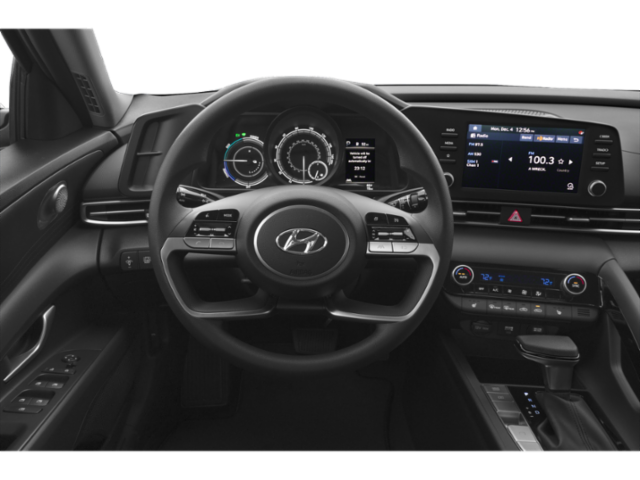
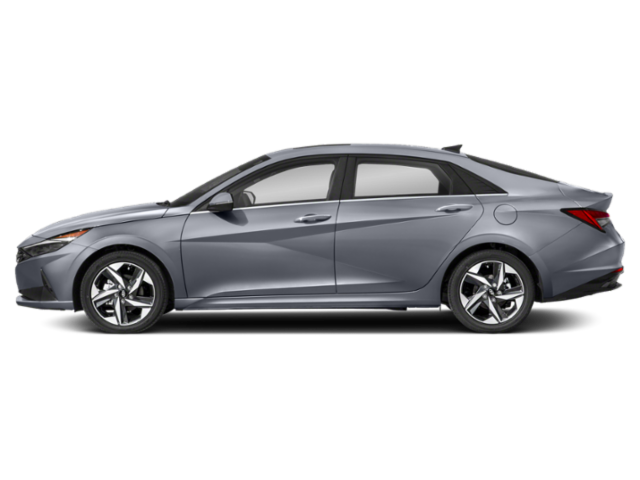
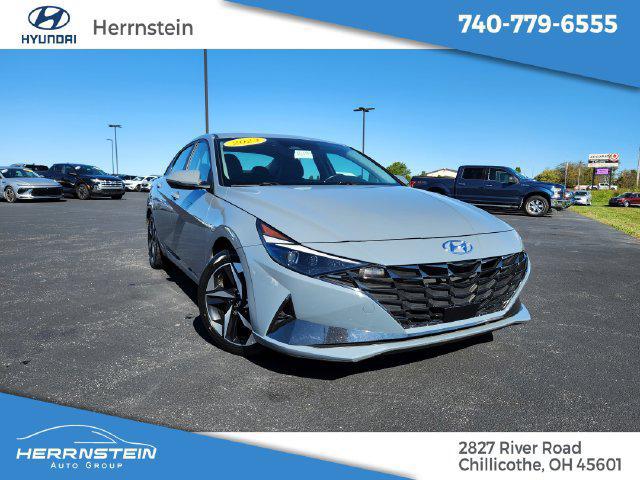
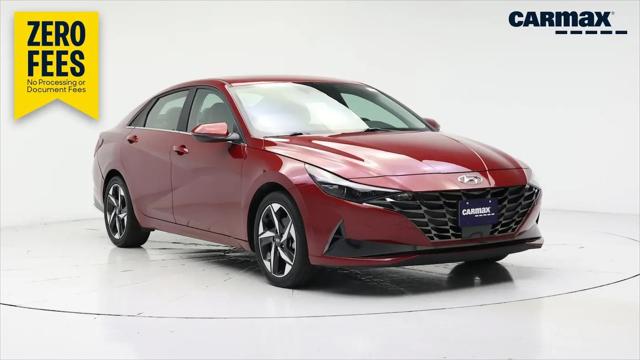
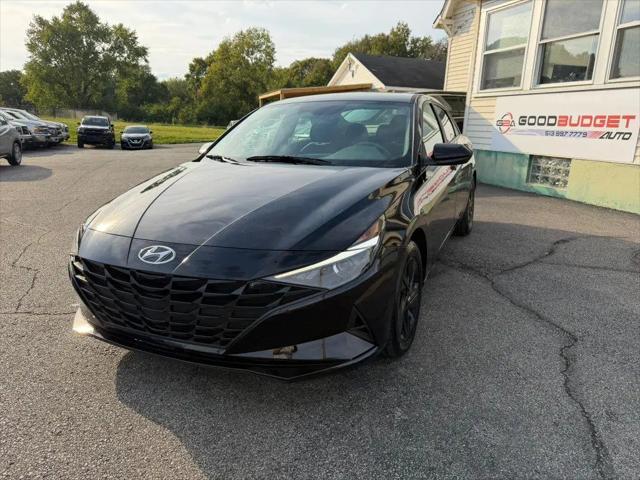
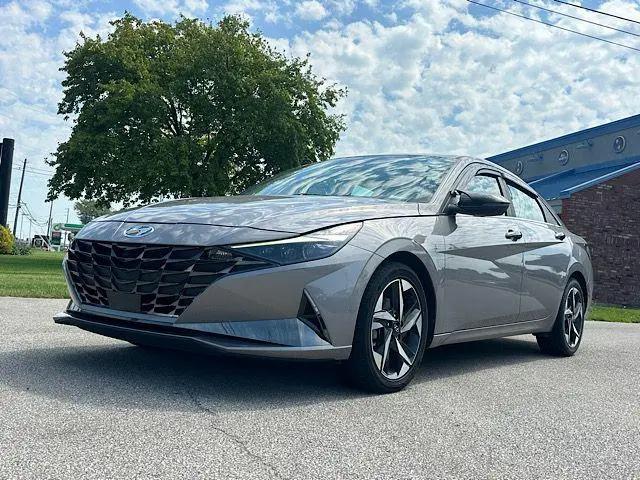
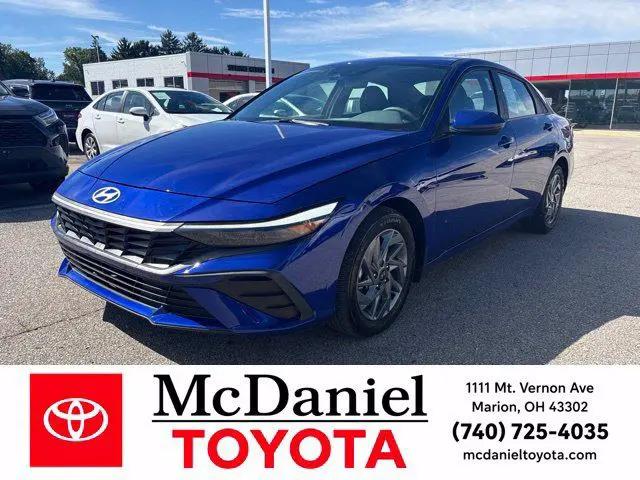
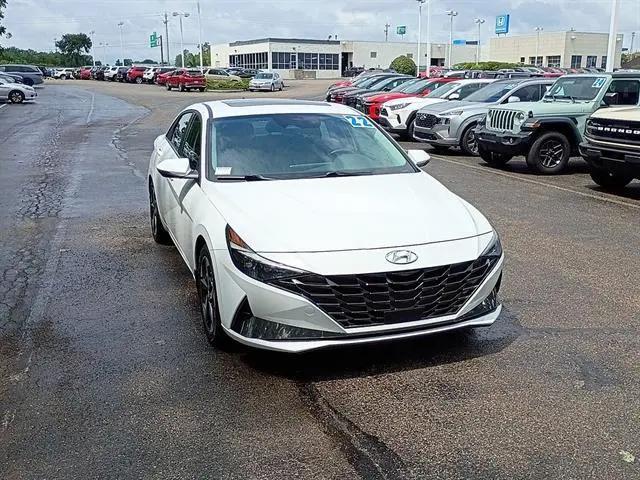
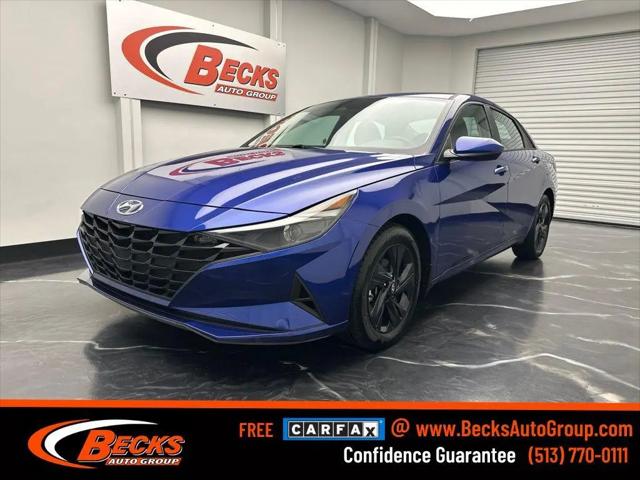
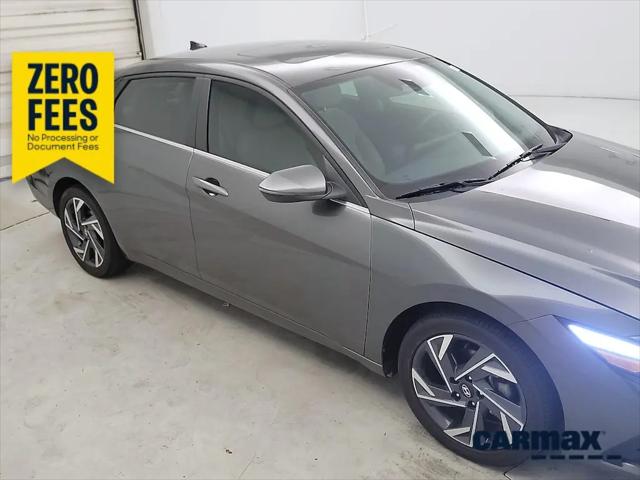
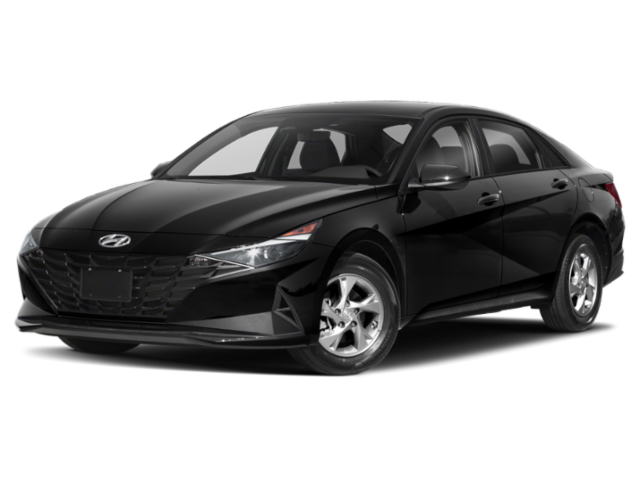
The 2021 Hyundai Elantra was a game-changer in the still-hot compact sedan segment. For years, the Honda Civic and Toyota Corolla dominated the segment. The Corolla was the pragmatic choice with a compelling quality, reliability, and dependability story. The Civic, while scoring high in those vehicle attributes, also added a laudable portion of fun to drive.
Then came the Hyundai Elantra, with such a compelling package that it earned the prestigious 2021 North American Car of the Year award from a jury of international automotive journalists. And it immediately worked its way into the conversation regarding the best compact car in America.
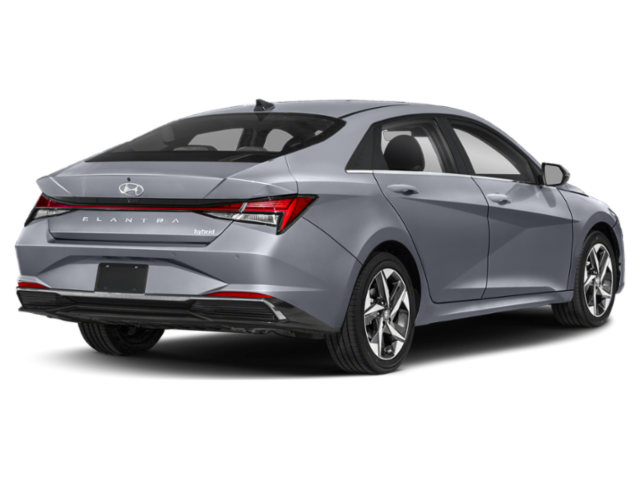
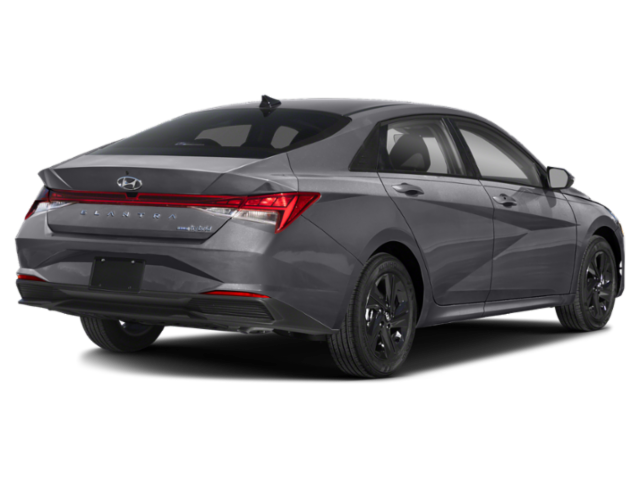
One important factor in the Elantra's rise to prominence is its hybrid version. The 2023 Hyundai Elantra Hybrid is a well-built, roomy, stylish 5-passenger car that happens to offer 54-mpg fuel economy. Soon after Hyundai introduced the all-new versions of the Elantra, many came to regard the Hybrid as the best value. Compared to the gasoline-fueled Elantra models, the critical differences for the Elantra Hybrid are:
- Hybrid-electric powertrain
- Higher fuel economy
- Minor infotainment systems differences tied to hybrid operation
Hyundai has made very few changes to the Elantra for the 2022 and 2023 model years. That reflects how well the company anticipated the market when it introduced the car.
Hyundai offers the 2023 Elantra Hybrid in two trim levels: Blue and Limited. The conventionally powered mainstream 2023 Elantra comes in four trims: SE, SEL, Limited, and N Line. And then there is the higher-performance Elantra N, almost a separate model.
Previously, JD Power reviewed the conventionally powered 2021 Hyundai Elantra. This review focuses on the Elantra Hybrid and how it potentially impacts overall consumer appeal.
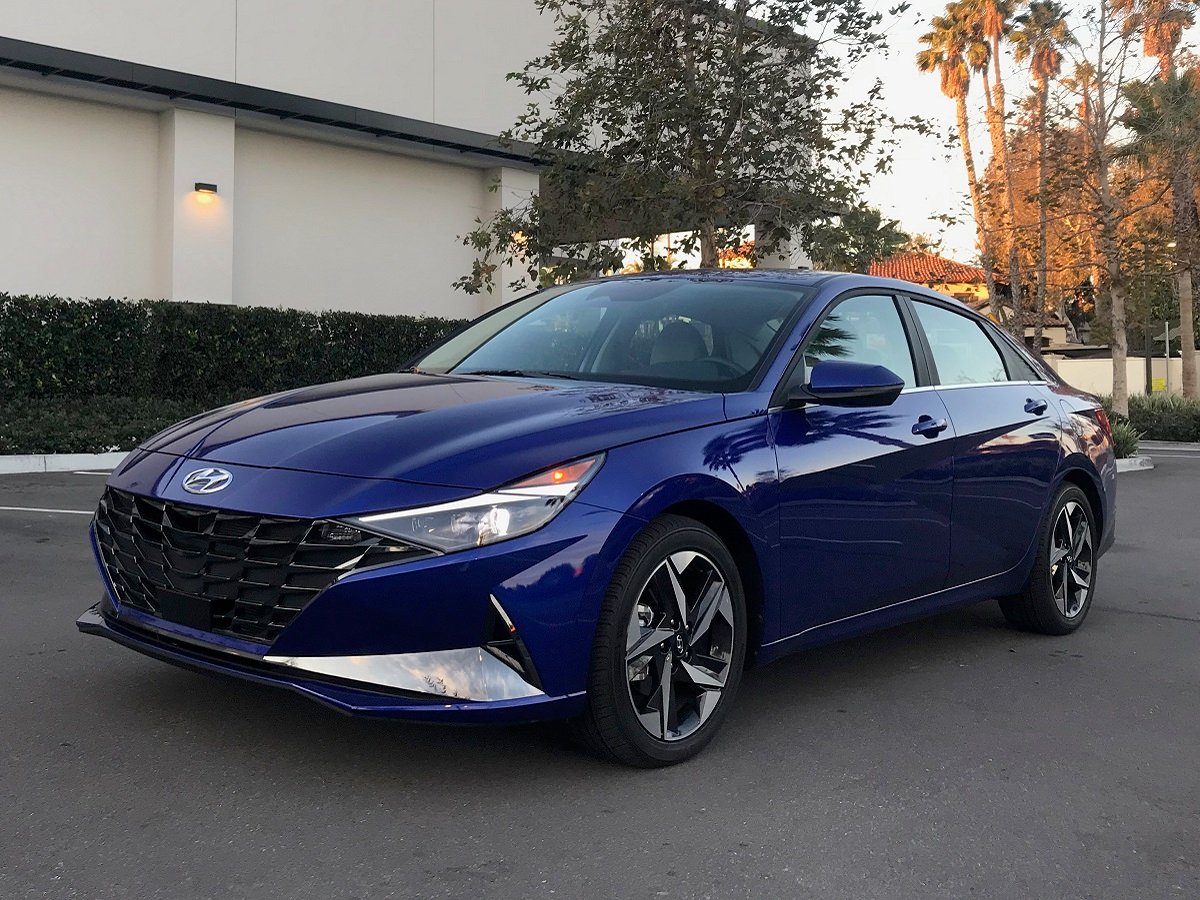
Photo: Jack R. Nerad
The Hyundai Elantra competes in the Compact Car market segment. According to data collected from verified new-vehicle buyers for the JD Power 2022 Automotive Performance, Execution and Layout (APEAL) Study, 58 percent of new Hyundai Elantra buyers are male (vs. 59 percent for the segment), and the median age of a new Elantra buyer is 47 years (vs. 46).
As part of the APEAL Study, owners rated the Elantra in 10 primary categories. Listed below in descending order, you'll find their preferences, from their most favorite thing about the vehicle to their least favorite:
- Exterior styling
- Fuel economy
- Driving feel
- Feeling of safety
- Powertrain
- Setting up and starting
- Infotainment
- Driving comfort
- Interior design
- Getting in and out
In the 2022 APEAL Study, the Elantra ranks seventh out of 13 Compact Car models.
What Our Independent Expert Says About the Hyundai Elantra Hybrid - Find the best Hyundai deals!
In the sections that follow, our independent expert analyzes an Elantra Hybrid Limited equipped with the following options:
The test vehicle's price was $30,305, including the $1,095 destination charge.

It should come as no surprise that the overarching difference between the Hyundai Elantra Hybrid and its other Elantra stablemates is its gasoline-electric hybrid powertrain. The Elantra Hybrid features a direct-injection, 1.6-liter Atkinson-cycle 4-cylinder engine teamed with a 32-kW (43-horsepower) permanent-magnet electric motor. The total system output is 139 hp and up to 195 pound-feet of torque.
A critical difference between the Elantra's hybrid system and those fitted in many other "conventional hybrids" is its use of a 6-speed dual-clutch automatic transmission (DCT) instead of the more common continuously variable transmission (CVT). While a CVT often further enhances fuel economy, it doesn't add much excitement. Indeed, the DCT with paddle-actuated shift-it-yourself capabilities gives the Elantra Hybrid an engaging feel and enhances its performance rep. The potential downside is the sometimes slightly "clunky" gear-to-gear shifts when in automatic mode. However, when driver-shifted, the DCT responds quickly and competently.
The Elantra Hybrid stores the power it gains from regeneration in a lithium-ion-polymer battery pack under the rear seats. It has 1.32-kWh of capacity. The car employs the 125 pound-feet of electric-motor torque to aid both fuel economy and drivability. The Elantra Hybrid also has an electric-only mode, but the range is extremely limited. That said, it's at least enough to sneak silently into the driveway after a later-than-planned-for night with your homies.
In terms of acceleration, drivability, and overall handling, the 2023 Hyundai Elantra Hybrid is a different animal than the conventionally powered Elantras and, of course, compared to the performance-oriented Elantra N. The most obvious difference is that the Elantra Hybrid is down on power compared to the base Elantra. With its normally aspirated 2.0-liter 4-cylinder engine, the base Elantra delivers 147 hp and 132 pound-feet of torque. It's an economy-oriented Atkinson cycle engine, so Hyundai engineers were clearly favoring fuel efficiency over performance when they specified it.
Still, it feels half a step peppier than the Elantra Hybrid, which weighs about 200 pounds more than the equivalent non-hybrid Elantra. A zero-to-60-mph run in the Elantra with the base engine takes around 8 seconds, while the hybrid is three- or four-tenths of a second slower. The hybrid can thank its added instant electric torque for it more or less being able to hang with the more powerful conventional Elantra to 60 mph.
Hyundai equips the sporty Elantra N Line with a 201-hp, turbocharged 1.6-liter 4-cylinder engine with 195 pound-feet of torque. That ups the performance quotient significantly. Meanwhile, the top-spec Elantra N outpowers them all with a 276-hp, turbocharged 2.0-liter 4-cylinder engine paired with an 8-speed "wet" DCT. All 2023 Elantras are front-wheel drive; all-wheel drive is not available. This all means that the Elantra Hybrid is the most leisurely of the group in both acceleration and ride quality.
The rack-and-pinion electric power steering in the Elantra Hybrid offers a decent feel. Another big positive is that the regenerative brakes don't suffer from the intrusiveness that sometimes plagues those systems. Indeed, the Elantra Hybrid Limited is an excellent vehicle for long trips. It is comfortable for up to five adults, has a huge-for-the-class 14.2-cubic-foot trunk, and offers exceptional range on its 11.2-gallon fuel tank. The quickly applied electric-motor torque suits it well in urban situations where it can squirt into small holes in traffic with confidence.
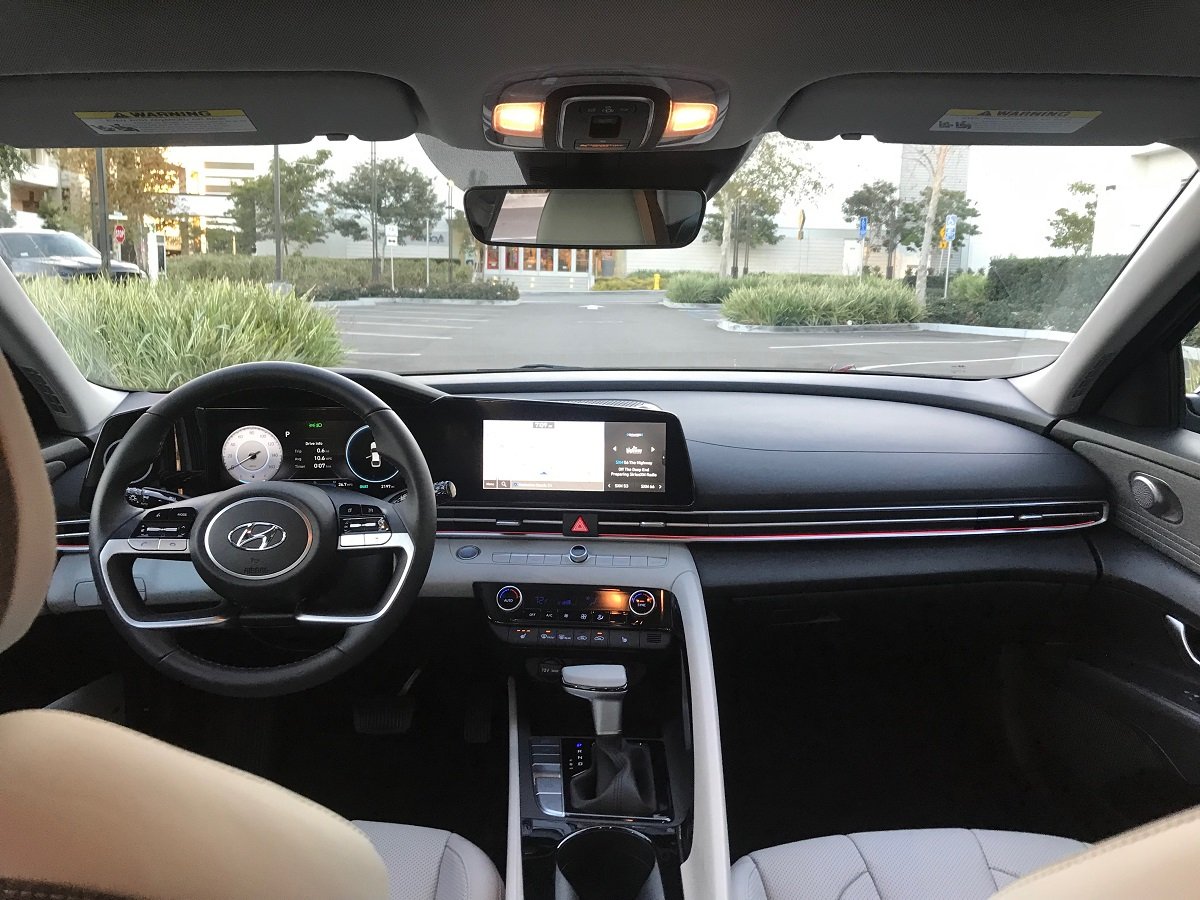
Photo: Jack R. Nerad
In this era of uncertain but generally higher fuel prices, the hybrid-equipped Elantra seems like a better choice than ever. Its fuel economy and range on a tankful of gas blow away the numbers offered by its siblings, even though their numbers are pretty representative in their class. According to the Environmental Protection Agency (EPA), the base Elantra SE with its CVT offers praiseworthy fuel economy of 33 mpg city/42 mpg highway/37 mpg combined. In comparison, the fuel-sipping Elantra Hybrid Blue trim has EPA ratings of 53 mpg city/56 mpg highway/54 mpg combined. With its larger 17-inch wheels and tires plus more comfort and convenience equipment, the Elantra Hybrid Limited is EPA-rated at 49 mpg city/52 mpg highway/50 mpg combined. For comparison, the non-hybrid Elantra Limited has 30 mpg city/40 mpg highway/34 mpg combined EPA mileage ratings.
The Hyundai Elantra Hybrid Blue might make you forget about gas stations, at least for a week or two at a time. If one defines a vehicle's total range by multiplying its combined mpg rating by its fuel tank capacity, the Hyundai Elantra Hybrid Blue has a range of 594 miles on a tankful of fuel. And, of course, unlike a pure electric vehicle, all one needs do to regain that immense range is to fill the gas tank—a five-minute operation readily accomplished in most areas without difficulty.
Using the same formula, the better-equipped-but-pricier Elantra Hybrid Limited has a total range of 550 miles. In comparison, the conventionally gasoline-fueled Elantra SE has a total range of 459 miles, despite having a larger (12.4-gallon) fuel tank. The gas-only Elantra Limited has a total range of 422 miles. The takeaway? Very few cars on the U.S. market have longer travel ranges on a single tank of fuel than the Hyundai Elantra Hybrid Blue. The recently introduced and not-yet-on-sale 2023 Toyota Prius is one. By the same definition, it has a total range of 644 miles based on its 57-mpg combined mileage figure and its 11.3-gallon fuel tank capacity.
An important difference between the conventionally powered Elantras and the hybrids is the available trim levels. As mentioned, Hyundai offers the Elantra Hybrid in two trim levels: Blue and Limited. The company specially configured the Blue trim to provide exceptional fuel economy, and it is only available in hybrid form. The Hybrid Limited, on the other hand, essentially replicates the equipment level and features of the non-hybrid Limited trim while adding the hybrid powertrain. Its larger wheels, tires, and added creature comforts slightly knock down its fuel economy. Still, that fuel economy is in the EPA Top 10 among all 2023 model-year cars.
In terms of features, the Elantra Hybrid Blue trim includes an 8-inch touchscreen display, integrated voice command via Bluetooth, and AM/FM radio. Wireless Apple CarPlay and wireless Android Auto are standard as well. It has cloth seats, as do the non-hybrid SE and SEL trims, but the Hybrid Blue has heated front seats; those in the SE and SEL are not. The Hybrid Limited trim adds leather-trimmed seats, and the two front seats have heat and ventilation. The driver's seat has memory-function adjustments.
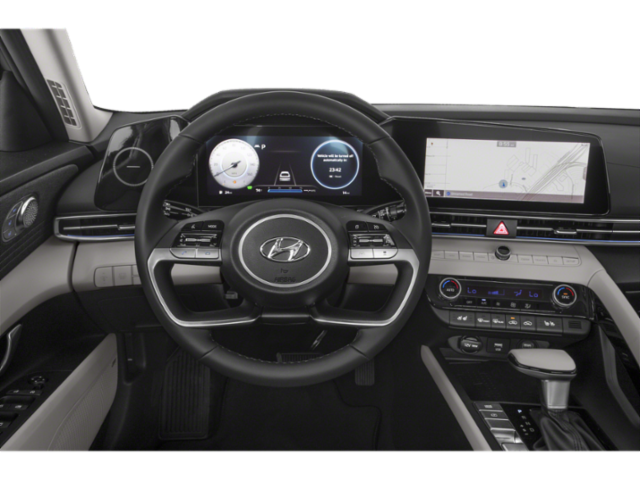
The Elantra Hybrid Limited treats its occupants to two 10.25-inch display screens—one for infotainment and the other for instrumentation and driver information. It has integrated navigation that the Blue level doesn't, but it lacks wireless Apple CarPlay and wireless Android Auto that's standard in the Blue trim. Its Apple CarPlay and Android Auto require a wired connection. The Limited Hybrid offers standard wireless phone charging unavailable in the Blue trim.
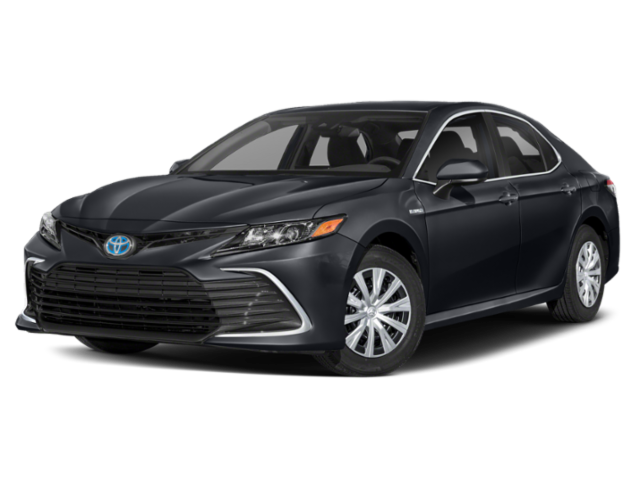
For those who can live without leather seats and digital instrumentation, the 2023 Hyundai Elantra Hybrid Blue is an extraordinary bargain. The base trim has a manufacturer's suggested retail price (MSRP) of $24,400 plus the freight charge of $1,045. The least-expensive Elantra Hybrid Limited has an MSRP of $29,000, plus the $1,045 freight cost. In contrast, the conventionally powered Elantra Limited has a base price of $26,350 plus freight. The conventionally powered Elantra SE—the lowest-priced trim in the Elantra lineup—has a base MSRP of $20,500, not including destination. In comparison, a base 2023 Toyota Corolla Hybrid LE—a vehicle in the same class and with similar fuel economy to the Elantra Hybrid—has a starting MSRP of $22,800 plus a $1,095 destination fee.

Photo: Jack R. Nerad
The Hyundai Elantra Hybrid is a welcome addition to the list of economical hybrid-powered sedans. Though not endowed with an exceptional horsepower rating, it is still reasonably fun to drive, making the most of the significant added torque available from its electric drive motor. It is available in two trims: one that maximizes its fuel economy potential while still offering good creature comforts and another that replicates the elevated equipment level of the non-hybrid Limited trim.
The 2023 Elantra Hybrid doesn't require its buyers to make any real compromises versus the utility, drivability, and convenience of the non-hybrid Elantra. And it offers significantly improved fuel economy that will continue to pay off in cost-savings year after year.
This 5-passenger compact sedan is one of the most likable models in the segment. It is roomier than most models in the class, and its buyers are attracted to its leading-edge exterior styling. Measured against both competitors' models and other Elantras in the well-regarded lineup, the Elantra Hybrid delivers exceptional value.
Jack R. Nerad has reviewed cars, trucks, vans, and sport utilities for over three decades. He managed the editorial efforts of Motor Trend magazine and Kelley Blue Book and currently is the host of the SportsMap Radio Network program America on the Road, which is available on Apple Podcasts, iHeart Radio, Spotify, Stitcher, and other outlets.