
Automatic emergency braking systems have two benefits. They save lives, and they save money.
According to a just-released analysis by the Highway Loss Data Institute (HLDI), front automatic emergency braking (AEB) systems offer more lifesaving benefits while rear automatic braking systems limit mishaps caused by backing up. Eliminating those relatively minor reversing accidents doesn't prevent many injuries or deaths, but it does save both consumers and insurance companies money.

The HLDI analysis found that front-facing automatic emergency braking systems can cut the frequency of bodily injury liability claims by nearly 25%. A similar study by the Insurance Institute for Highway Safety (IIHS) involving police-reported crashes — typically the most severe type of collision — found front automatic emergency braking reduced "front-to-rear" crashes by 50%. Often referred to as rear-ending another vehicle, these crashes can be deadly, particularly when the car responsible for the collision is moving at high speed.
Meanwhile, rear AEB reduces collision claims by 3% and property damage liability claims by 14%.
The technology used in automatic front and rear automatic braking systems is similar. Both systems incorporate cameras or other sensors to detect a potential collision. Typically, the systems first issue an audible or haptic warning. If that goes unheeded, they automatically apply hard braking to avoid or at least lessen the crash's severity. The IIHS feels so strongly about the value of front AEB systems that it has made front crash prevention a criterion for its Top Safety Pick and Top Safety Pick+ awards.
The HLDI's annual research on crash avoidance technologies' effectiveness included new insurance data for model-year 2015-18 Subaru vehicles with and without rear automatic emergency braking. Combined with an earlier look at 2014-15 General Motors vehicles, the HLDI found vehicles equipped with rear AEB had 28% fewer property damage liability claims and 10% fewer collision claims. This data indicates that the system doesn't merely protect the insured motorist's car but also protects whatever a motorist might otherwise back into.
"We haven't seen that kind of reduction in claims for vehicle and other property damage from any other advanced driver assistance system," HLDI Senior Vice President Matt Moore said in an online report on the study.
Automatic rear emergency braking doesn't have the potential to save many lives. But low-speed reversing crashes represent a substantial portion of insurance claims. An HLDI analysis found collision claims with rear damage of less than $2,000 resulted in more than $8 billion in damage during an 8-year period starting in 2010. That represented 17% of all collision claims.
Two other technologies designed to prevent backing crashes — parking sensors and rear camera systems — are not nearly as effective, according to the HLDI analysis. It found rear camera systems lowered the number of property damage liability claims by 5% and slightly increased collision claims. Parking sensors also reduced the frequency of property damage liability claims by 5% and reduced collision claims by 1%.
Rear automatic emergency braking systems seem like the superior solution, but the current systems can be problematic when trying to back into the street from a steep driveway or across a road with a steep crown. In those situations, they can automatically apply hard braking when it is not needed and is completely unexpected.
Automakers can provide a solution for this problem by including an off-switch that will deactivate the system for single, one-time use. With this solution, drivers can turn the technology off when maneuvering in areas that could cause accidental activation of the brakes, such as when reversing out of your driveway while leaving home.
Highway Loss Data Institute (HLDI) is the primary source of information for this article. It was accurate on January 7, 2020, but it may have changed since that date.


A new electric sedan wearing three-pointed stars is coming soon, arriving as the 2027 Mercedes-Benz C-Class Electric with a C 400 4Matic Electric designation.
Read the Full Article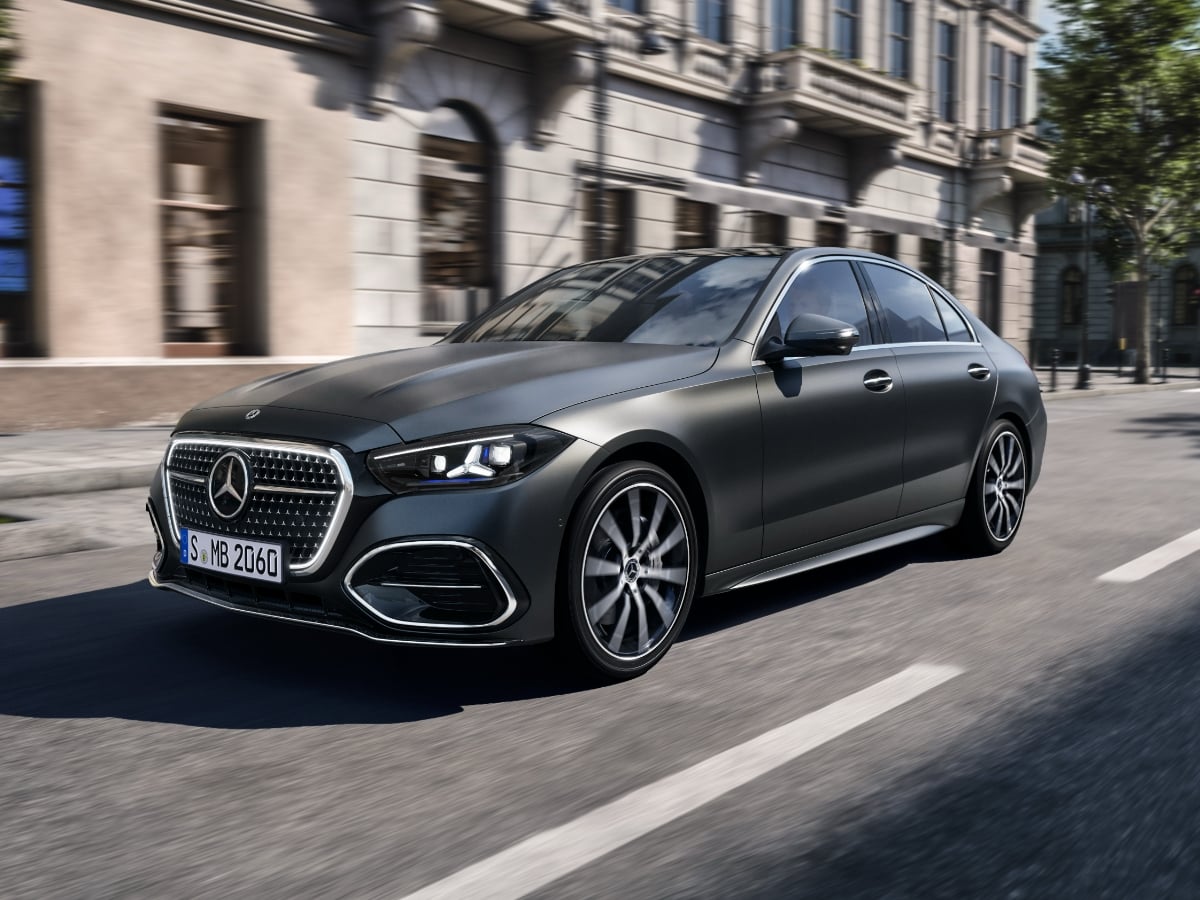
Luxury vehicle buyers prefer SUVs, but a contingent of people still prefer lighter, more efficient, nimbler sedans. The 2027 Mercedes-Benz C-Class serves them with a compact size and a nicer price ...See More
Read the Full Article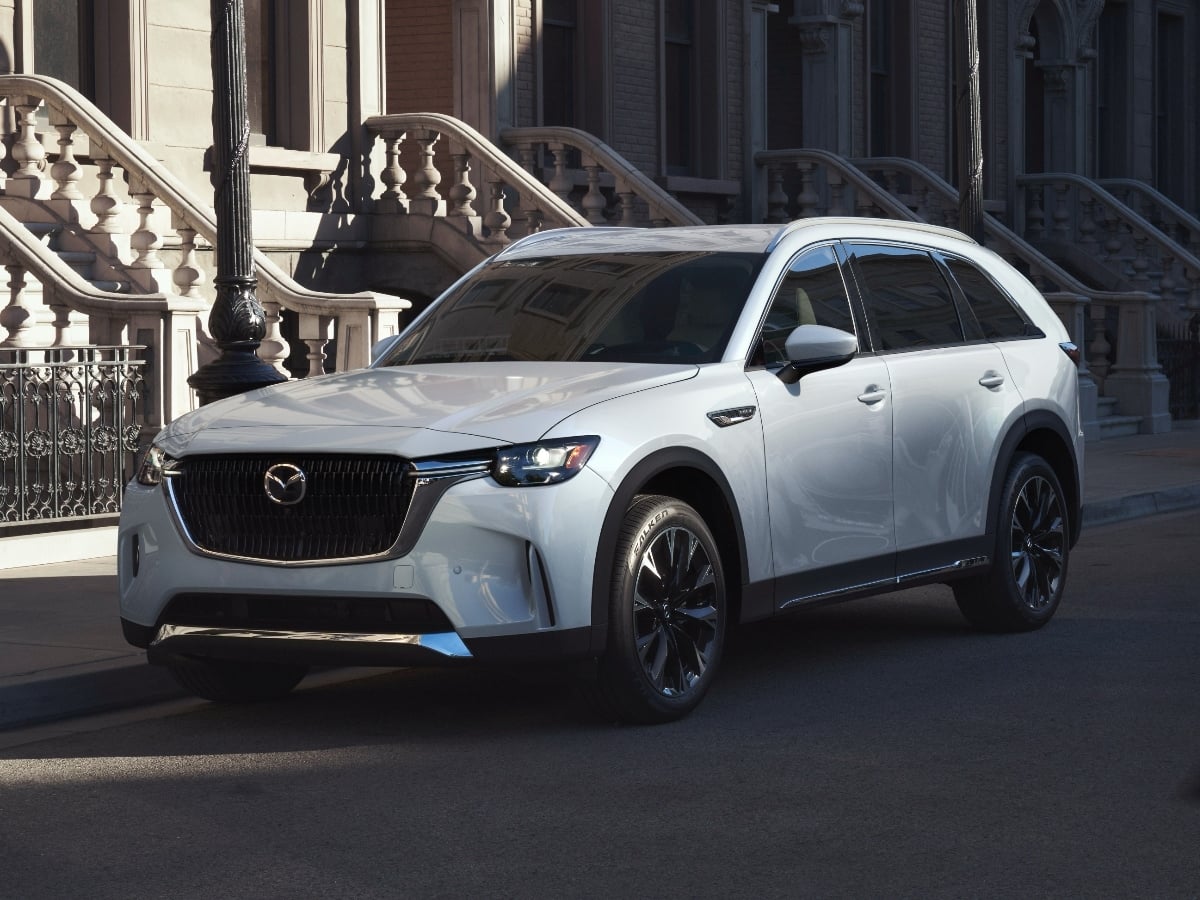
Mazda is discontinuing the five-passenger midsize CX-70 crossover SUV for the 2027 model year. But do not worry. The automaker is moving that configuration to the CX-90 lineup, where it will be ...See More
Read the Full Article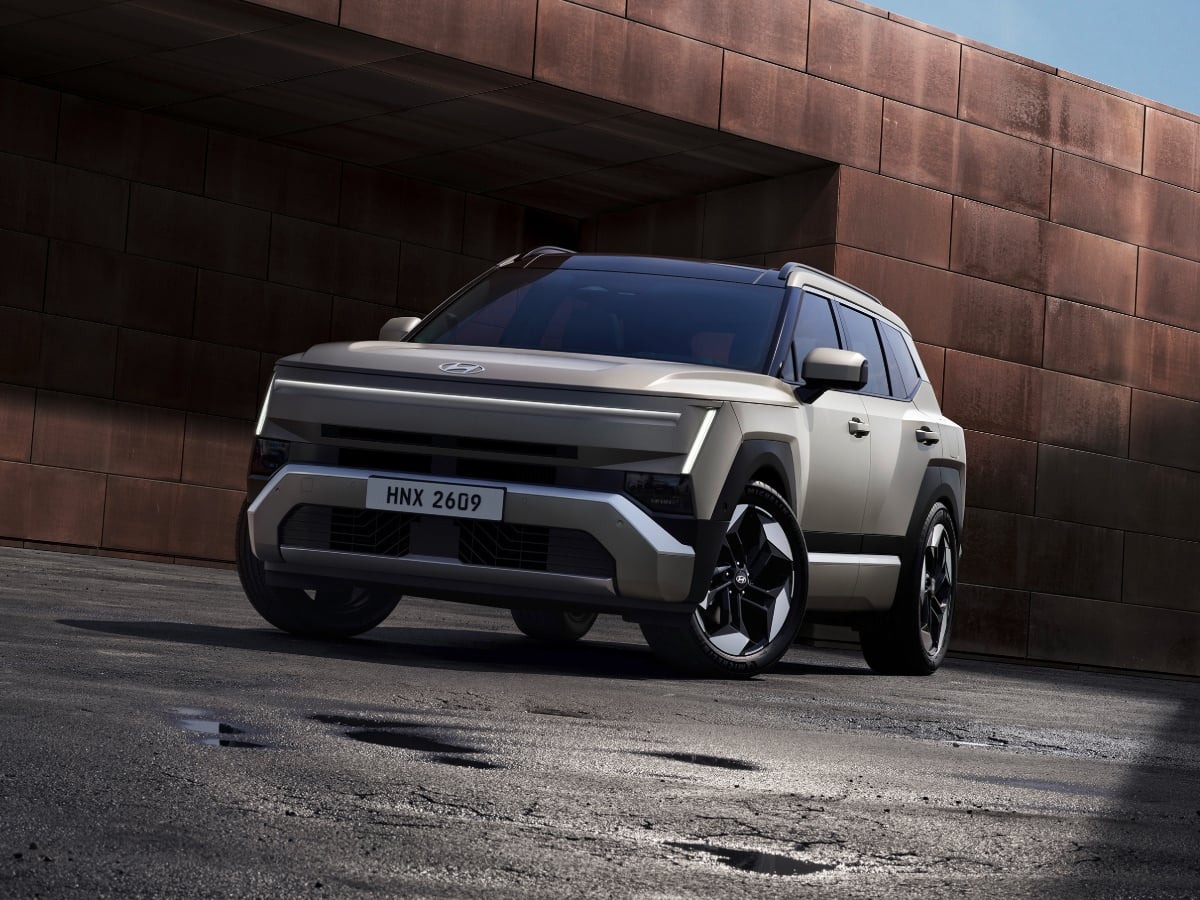
With a purposeful new design and some trail-ready upgrades, the 2027 Hyundai Tucson is pushing the brand's best-selling crossover SUV into more aggressive territory.
Read the Full Article