
In the near-future, Ultimate Driving Machines will be battery-powered. That is the bold assertion BMW made in a series of announcements that foretell a very different destiny for the BMW brand than one might have imagined only a few years ago.

BMW believes that half of its total sales in 2030 will be battery-electric vehicles (BEVs). The automaker will roll out a flurry of planned BEV models, including the new 2022 BMW i4 electric car and the 2022 BMW iX electric SUV in the near term.
Beyond the BMW brand, the automaker also announced that it's Mini small-vehicle brand would introduce its last internal combustion engine (ICE) vehicle in 2025 as it makes a hard transition to an all-electric lineup. Mini executives confirmed the persistent rumor that Mini would sell only BEVs soon after the next decade begins.
BMW's Rolls-Royce brand will also participate in the conversion to electric vehicles.
While the BMW i8 plug-in hybrid sports car and BMW i3 commuter vehicle had a checkered history in the U.S. in the face of strong competition from Tesla Motors, the automaker expresses confidence in the next round of new electric BMWs.
"We have a clear roadmap for making the transformation of our industry a real competitive advantage for BMW in the coming years – uncompromisingly electric, digital and circular," Oliver Zipse, chairman of the board of management of BMW AG, said in a statement.

To demonstrate the urgency of BMW's transition, the company said it is moving up the launch date of its 2022 BMW i4 EV sedan by three months, something almost unheard of in the auto industry. The 2022 i4 is slated to compete head-to-head with the Tesla Model 3. According to BMW, the target is to deliver an estimated driving range of 300 miles and supply approximately 500 horsepower from its electric-drive (eDrive) system.
By the end of 2021, BMW said it would also bring its BMW iX electric SUV to market. The iX will be the first BMW based on BMW Group's new modular BEV architecture and could foretell the technology used in a variety of BMW electric cars in the next several years. Similar to the i4, the iX employs a fifth-generation version of BMW eDrive that will offer 500 horsepower and 300 miles of range on a charge. BMW says its rapid-charging system will charge the battery pack from 10% to 80% of its total capacity in under 40 minutes.
BMW electric vehicle plans leverage the company's "smart" vehicle architectures and a flexible production network that, its execs say, will enable them to put about a dozen fully electric models on roads worldwide by 2023. In some markets, BMW Group is selling three BEVs already — the BMW i3, BMW iX, and the Mini SE.
Rather than creating entirely new battery electric vehicles as it did with the BMW i3 and BMW i8, BMW's new strategy is to leverage its existing and well-known range of vehicles by swapping their internal combustion engines for BMW eDrive. For instance, the automaker plans fully electric versions of the BMW 5 Series and the BMW X1 in the years to come. Other models, such as the BMW 7 Series and the Mini Countryman, will also get the BEV transformation.
Using this strategy, the BMW Group says it will have at least one fully electric model on the road in around 90% of its current market segments by 2023.
In addition to its bold BEV plans, BMW also announced details regarding its BMW Operating System 8, which powers the next generation of the BMW iDrive operating system. As one might guess, the system is the fastest and most powerful operating system in the automaker's history. Yet BMW also says the eighth generation of BMW iDrive is the "simplest and safest operating concept to be installed in a vehicle."

BMW Operating System 8 and the accompanying BMW iDrive 8 will find their first installations in the BMW i4 and iX. Highlights of the new technology include:
In the future, BMW says it plans to leverage Operating System 8 and iDrive 8 to offer its customers additional vehicle capabilities and features for purchase or short-term subscription.
BMW Group is the source of information for this article. It was accurate on March 17, 2021, but it may have changed since that date.


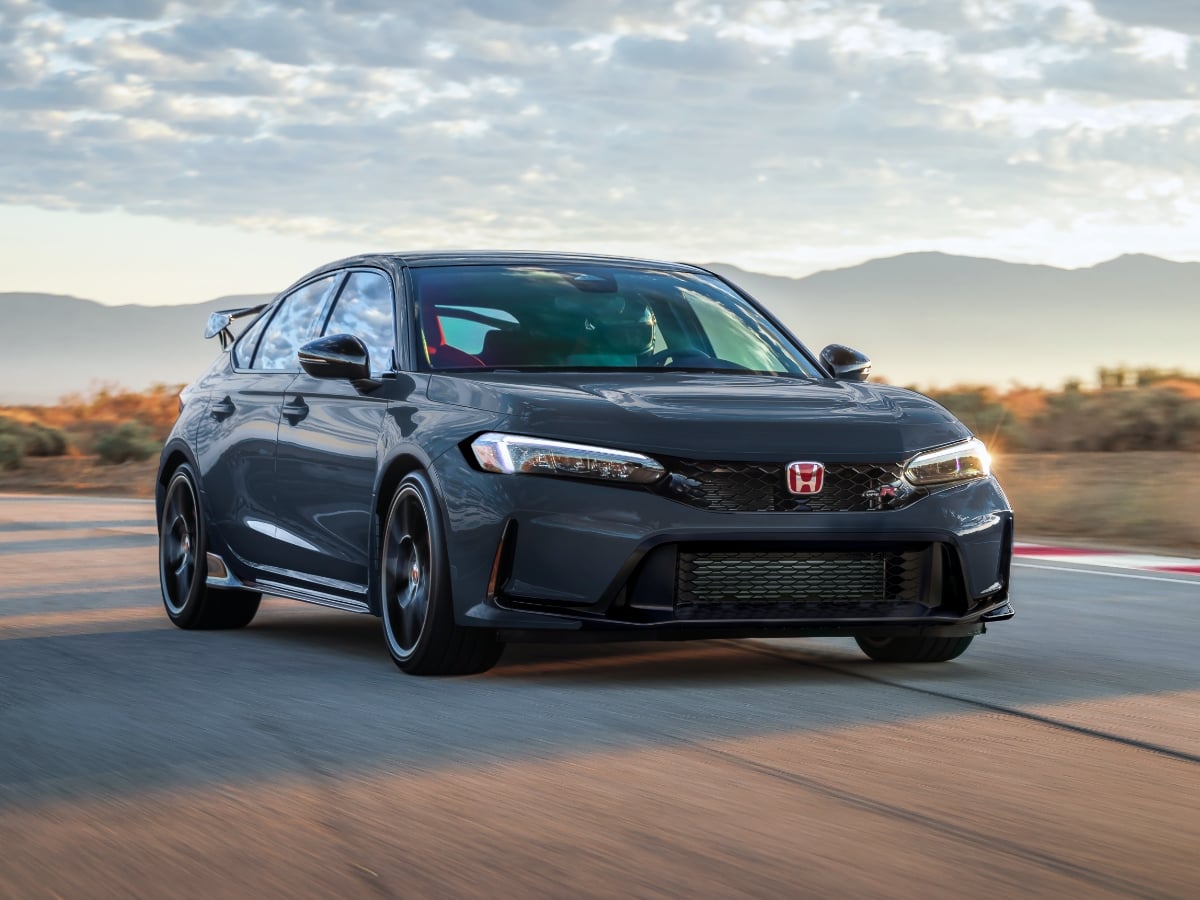
The 2027 Civic Type R goes on sale in October 2026, and it starts at $49,990, including the $1,295 destination charge.
Read the Full Article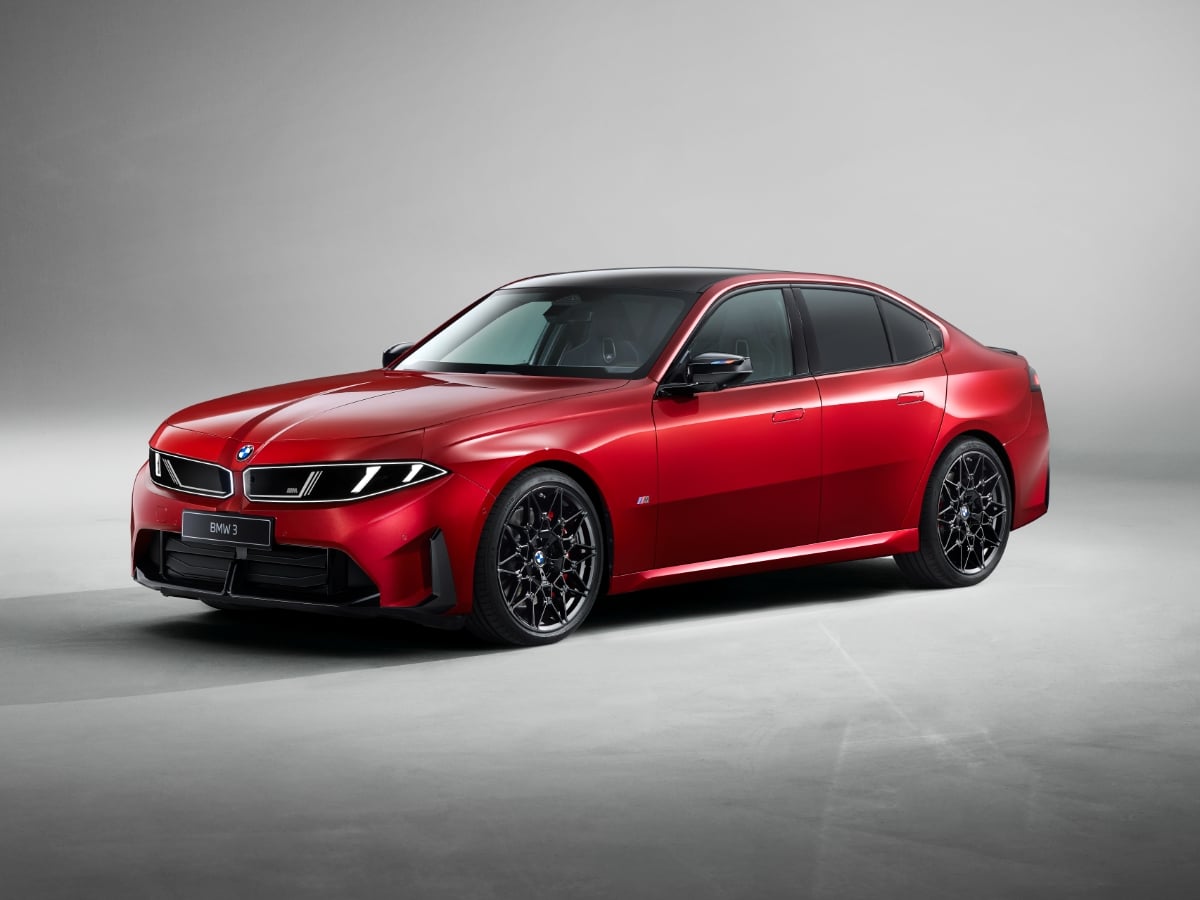
Part of BMW’s Neue Klasse (new class) rollout of redesigned models, the 2027 BMW 3 Series is all-new and goes on sale in the first quarter of 2027.
Read the Full Article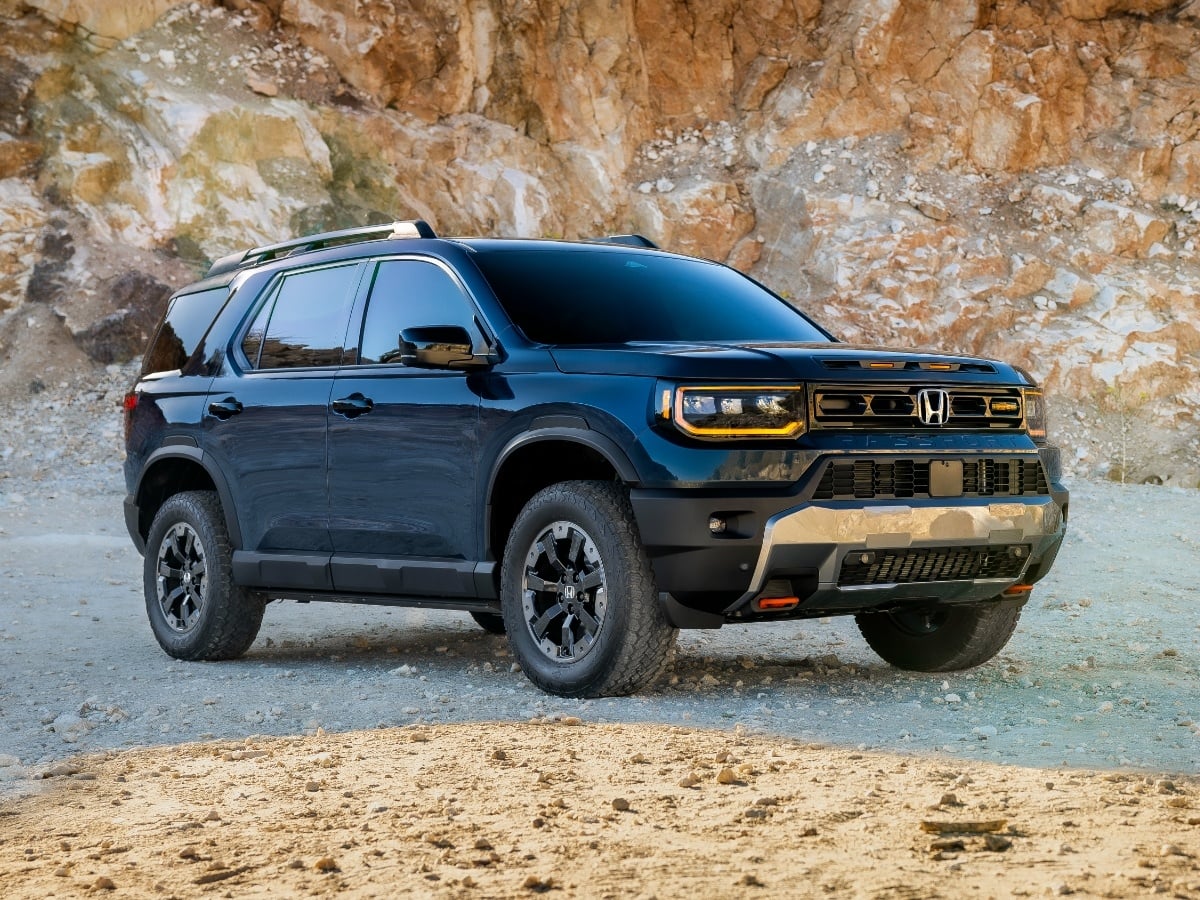
Updates to the 2027 Honda Passport TrailSport include a reworked suspension, improved steering, subtle styling enhancements, and added standard equipment.
Read the Full Article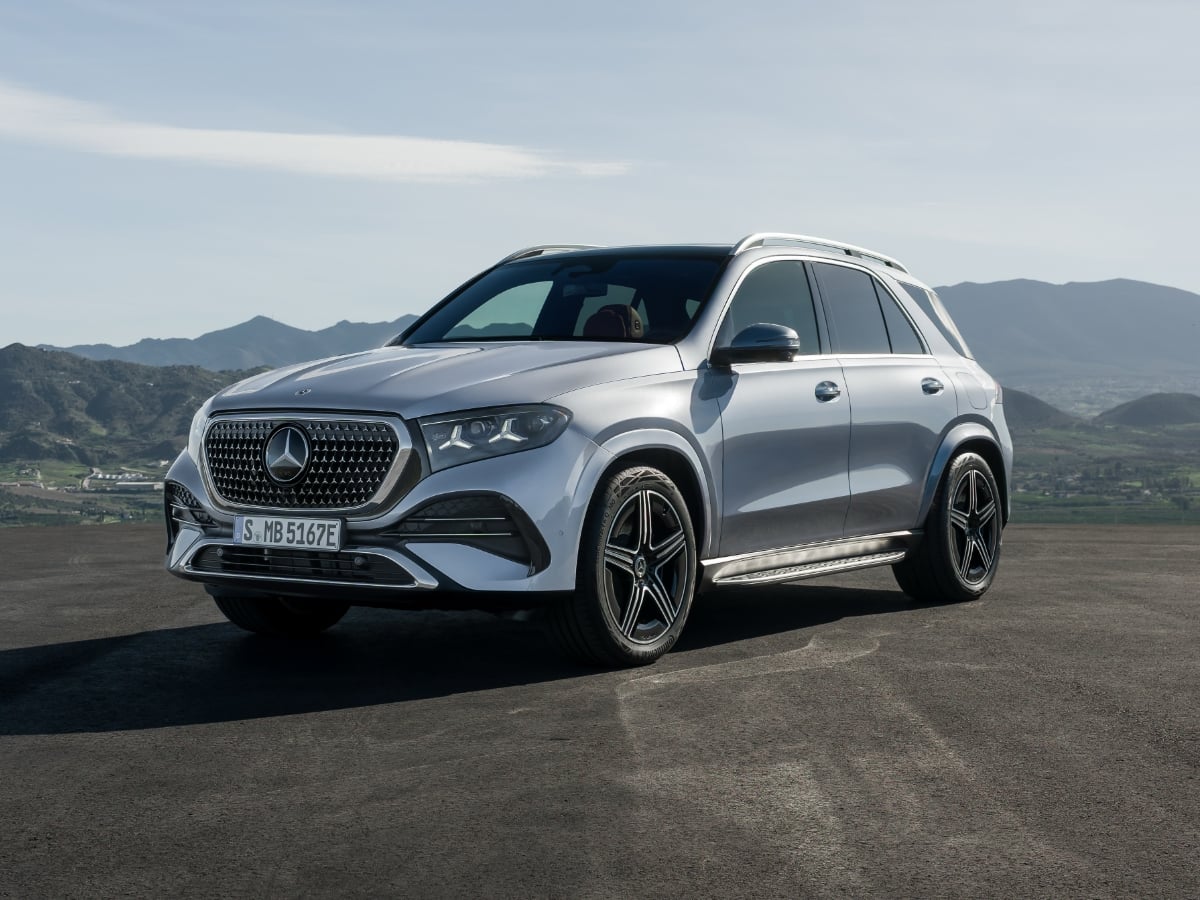
The midsize 2027 Mercedes GLE remains available in original and spicy Coupe recipes, now with standard 4Matic all-wheel drive (AWD), MBUX Superscreen technology, and a panoramic glass sunroof for ...See More
Read the Full Article