111 - 153
94 - 127
168 - 320
1 speed, Automatic
Electric
All Wheel Drive, Rear Wheel Drive

Photo: Kevin Nguyen
The Hyundai Ioniq 6 competes in the Midsize Car market segment. According to data collected from verified new-vehicle buyers for the JD Power 2023 Automotive Performance, Execution, and Layout (APEAL) Study, owners rated the Midsize Car segment in 10 primary categories.
Listed below in descending order, you’ll find their preferences, from their most favorite thing about their cars to their least favorite:
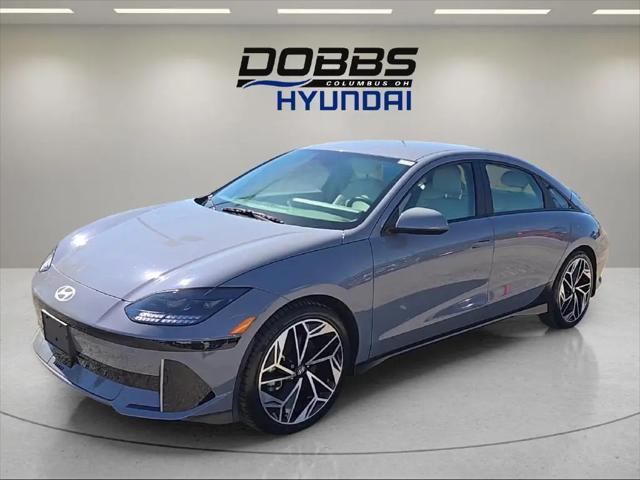
In the sections that follow, our independent expert analyzes a 2024 Hyundai Ioniq 6 Limited equipped with the following options:
The test vehicle’s price was $54,975, including the $1,115 destination charge.

Photo: Kevin Nguyen
The Ioniq 6 takes full advantage of the interior space benefits brought by its electric drivetrain. The floor is flat without a bulky transmission tunnel running through the middle of the cabin, giving the interior an open, airy feel despite the test car’s dark, almost monotone black color scheme. Hyundai offers a lighter gray interior option, making the interior feel much more open.
Large front doors make entering and exiting the car a breeze. The front seats are wide and nicely padded, and there’s enough space for tall adults to ride comfortably. That said, the front buckets need more support and bolstering, as they are too flat and don’t do enough to hold you in place.
Back-seat passengers get a broad, well-padded bench and good support, especially from the bottom cushion. Hyundai advertises the Ioniq 6 as a 5-seater. Still, center-rear seat passengers sit perched on a hump between the two outboard seats. Accordingly, you should only use it when the fifth seat is absolutely necessary.

Photo: Kevin Nguyen
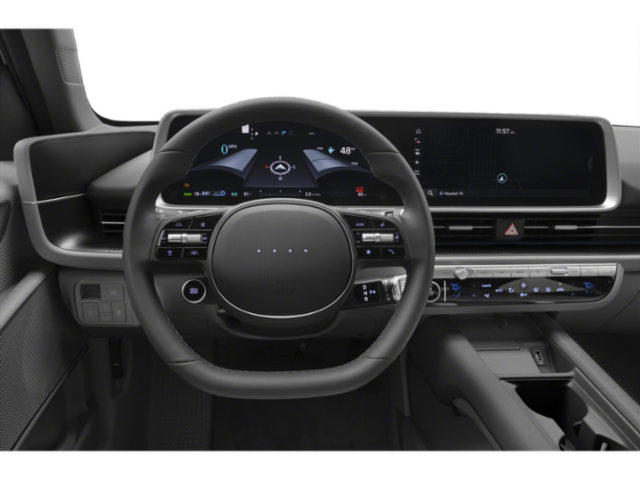
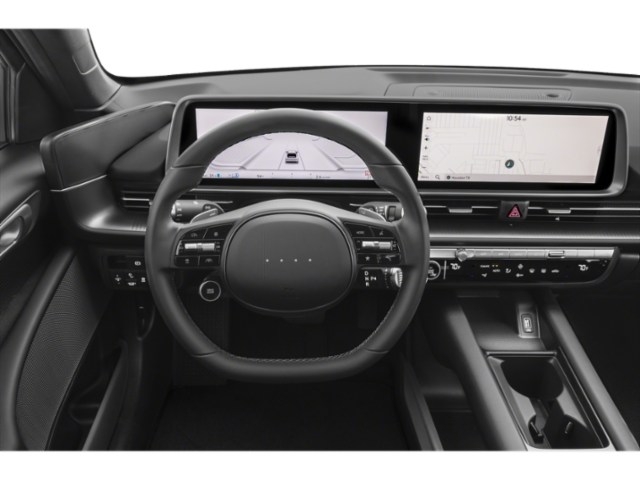
The Ioniq 6’s 12.3-inch touchscreen infotainment system features a shining example of a robust, user-friendly interface. The driver can achieve most interactions with just a few taps, making the system less distracting while driving.
Standard features include Bluetooth connectivity for two devices simultaneously, satellite radio, HD Radio, several USB ports, and six speakers. My Limited test car had an 8-speaker Bose premium stereo. The voice-recognition technology works surprisingly well. Hyundai has expanded its use to cover the operation of the windows, trunk opener, and other features.
Though impressive, the system disappointingly requires a wired connection for Apple CarPlay and Android Auto, which defeats the purpose of wireless charging and puts the car behind many rivals.
Also, the single USB-A front data connection is annoying. I could charge my phone on the two front USB-C ports, but tracking down a USB-A cable that would work with my USB-C iPhone 15 proved challenging.

Photo: Kevin Nguyen
Hyundai offers three electric drivetrain options for the 2024 Ioniq 6: two single-motor, rear-wheel drive setups, and a dual-motor AWD configuration.
New for the model year, a less powerful Standard Range model debuts with an estimated 240-mile driving range and, presumably, a lower price. It uses a less powerful 53-kWh battery pack.
From there, you can upgrade to a more powerful rear-drive configuration with a 168-kW electric motor generating 225 horsepower and 258 pound-feet of torque and up to 361 miles of range. This version of the car employs a 77.4-kWh battery.
The dual-motor AWD setup offers 320 hp and 446 pound-feet of torque from 74-kW front and 165-kW rear motors. The maximum range from the 77.4-kWh battery is 316 miles. According to Hyundai, acceleration to 60 mph takes a little over four seconds for the dual-motor variant, making it about as quick as a Tesla Model 3 Long Range.
Hyundai also equips the Ioniq 6 with an 800-volt electrical architecture, which enables fast charging times of just 18 minutes to reach an 80-percent charge using a 350-kilowatt DC fast charger—at least on paper.
Though Hyundai does not market the Ioniq 6 as a performance sedan, the dual-motor AWD’s acceleration is more than strong enough to surprise. The electric motors’ near-instant torque delivery gives the car an energetic feel off the line, and there’s enough grunt for a pleasing thrust forward with a stab of the accelerator pedal at cruising speeds. That said, the car doesn’t have all the other components that make such bruising acceleration enjoyable, such as sport seats with robust support and bolstering.
On the road, the Ioniq 6 delivers a smooth, comfortable driving experience at nearly all times. Using the available drive mode selections helped tailor the car’s attitude to the situation, with Eco mode bringing the most serene drive. Switching to Sport transforms the vehicle with a sharper and stronger acceleration response, but this driving mode drains the range faster than others.
The dual-motor powertrain returns 270 miles of range with 20-inch wheels, and that’s the configuration I tested during a frigid November week in Maine. Due to the weather, my real-world range figures fell far short of the official estimate. I received the car with a nearly full battery, but only 243 miles of indicated range. That number dropped rapidly using the heater, heated seats, and steering wheel, and operating the car normally in temperatures that hovered around 30 degrees for the week.
After 165 miles of in-town driving, running kids to school, grocery shopping, and running errands, the battery showed a 10-percent charge (around 26 miles range). Doing the math, that would mean a little more than a 21-percent shortfall from the starting 243-mile estimate.
Though it might seem alarming, that difference isn’t as severe as the cold-weather drops in some electric models. However, the Ioniq 6 also charges slower than expected, even with the included battery heating and preconditioning system.
Hyundai claims it should take 73 minutes to charge to 80 percent using a 50-kW charger. However, reaching that mark took a little over 95 minutes using my local—and only—50-kW EVgo station. Part of that was down to the charger, which dropped into the 30-kW range several times, but it’s clear the temperature affected speeds even when it was working at full tilt.

Photo: Kevin Nguyen
Hyundai equips the Ioniq 6 with a generous collection of advanced driver assistance systems (ADAS) called SmartSense, with several great features making their way into the base configuration.
Standard SmartSense features include:
In addition, Hyundai equips the Ioniq 6 with a driver monitoring system,
a rear-seat reminder system and a hands-on semi-autonomous driving assist system called Highway Driving Assist 2 (HDA2). That latter feature adds adaptive cruise control, lane-centering assistance, and lane-change assistance to make highway driving safer. The automaker also offers an optional intersection turn assistance system, a side-view blind-spot camera system, and a surround-view camera.
Hyundai’s SmartSense safety tech functions flawlessly, delivering warnings and alerts predictably and consistently. While loud enough to be heard, the safety alerts are not distracting and do not frighten passengers with extreme sounds or visual warnings. In addition, though the Ioniq 6 has decent outward visibility, the available blind-spot camera system adds a layer of confidence in heavy traffic, and the adaptive cruise control system works well in stop-and-go traffic.
Remote Smart Park, or “Remote Smaht Pahk,” as we say in New England, is also available. It’s a semi-autonomous parking-assistance system that works as advertised and can easily maneuver the car out of a tight spot. The updated system offers parking in parallel, diagonal, and perpendicular spots.
The HDA2 system also works predictably, but winter traffic in Maine can be sparse, so I didn’t get to test the lane-change assistance function. It’s worth noting that HDA2 is not a hands-free system like General Motors’ Super Cruise or Ford’s BlueCruise. The car will warn the driver if their hands are not on the wheel and shut down if they don’t obey a second warning.

Photo: Kevin Nguyen
The Ioniq 6 offers just 11.2 cubic feet of rear cargo space, and the front trunk only adds another 0.5 cubic feet. Additionally, the trunk opening is too narrow, so loading larger items is more challenging than expected. Hyundai equips the car with a hands-free power trunk lid, which helps. Still, the Ioniq 6 is not the utility-forward electric family sedan many likely hope for. By comparison, the Tesla Model 3 offers 19.8 cubic feet behind the rear seat.
The Ioniq 6 returns up to 140 MPGe combined in its most efficient configuration. It returns 103 MPGe combined in its least efficient setup. In cold-weather testing, I found a 21-percent decrease in the car’s expected range, with the Ioniq 6 indicating a range of 243 miles and the actual driving range falling short of that by more than 50 miles.
The 2024 Ioniq 6 earned top marks in crash testing performed by the Insurance Institute for Highway Safety (IIHS), grabbing a Top Safety Pick+ for the 2023 calendar year. As of this writing, the IIHS has not carried over that rating for the 2024 calendar year, and the National Highway Traffic Safety Administration has not tested the car.
Pricing for the 2024 Hyundai Ioniq 6 starts at $37,500 for the SE Standard Range trim. Stepping up to the regular SE trim brings the price to $42,450, while the SEL trim starts at $45,250. The range-topping Limited trim starts at $50,150. All models carry a $1,115 destination charge, not included in those prices.
In the JD Power 2023 Initial Quality Study (IQS), the Toyota Camry ranks highest in the Midsize Car segment. The Chevrolet Malibu is the next highest-ranked model.
In the 2023 APEAL Study, the Kia K5 ranks highest in the Midsize Car segment. The Hyundai Sonata and the Toyota Camry are the next highest-ranked models.
Other competitors to the 2024 Ioniq 6 include the Polestar 2, Hyundai Ioniq 5, and Tesla Model 3.

Photo: Kevin Nguyen
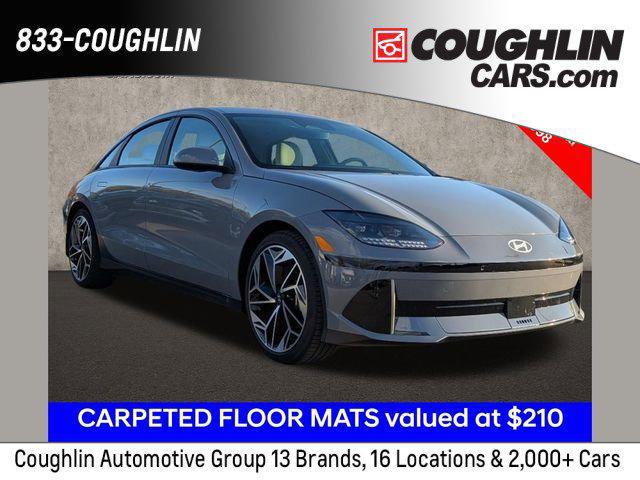
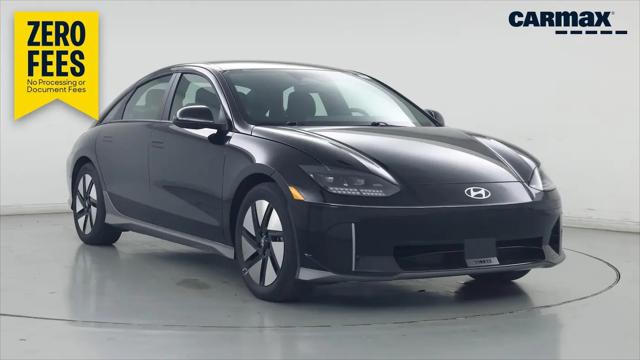
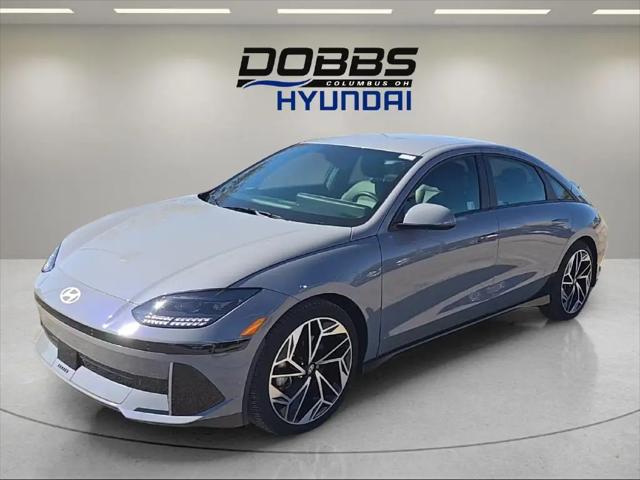
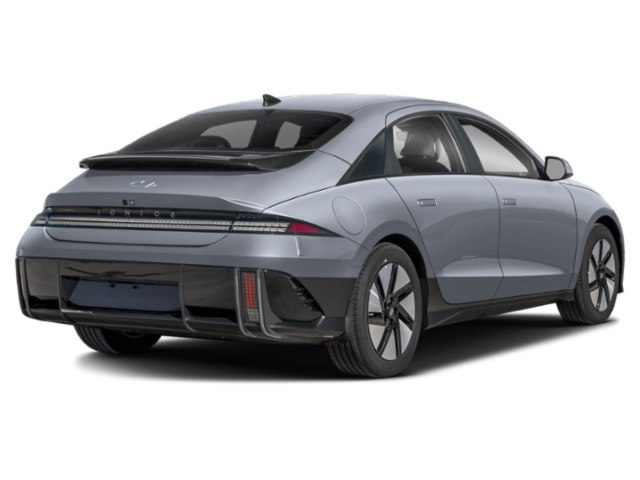
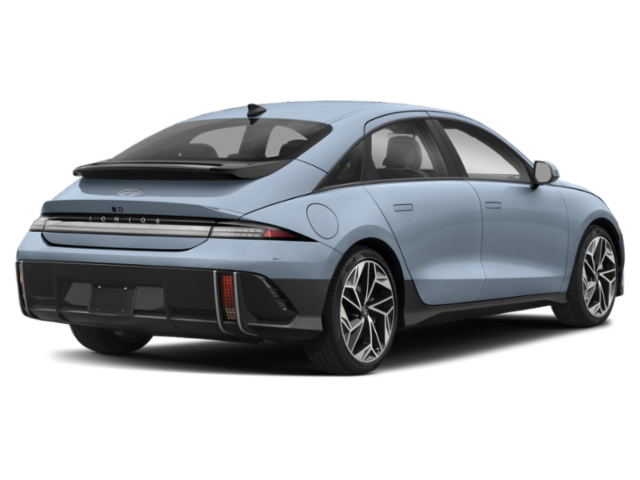
The Hyundai Ioniq 6 does most things well, leaving little room to complain. It offers standout styling, a comfortable interior, and all the tech anyone could want. Its price is also not far out of line with its closest rivals. However, the Tesla Model 3 is cheaper and offers longer range estimates in some configurations.
Despite those upsides, the Ioniq 6 is not perfect. Its sloping roof can make the rear headroom feel tight, and the sleek shape cuts into trunk space in a big way. The list of gripes is shorter than the list of upsides, though, making the Ioniq 6 a compelling electric option.
Chris Teague is an experienced writer in the automotive and technology fields. In addition to JDPower.com, his work appears at Forbes, The Drive, Your Test Driver, and others.