No data
No data
248
1 speed, Automatic
Gas/Electric I-4
All Wheel Drive
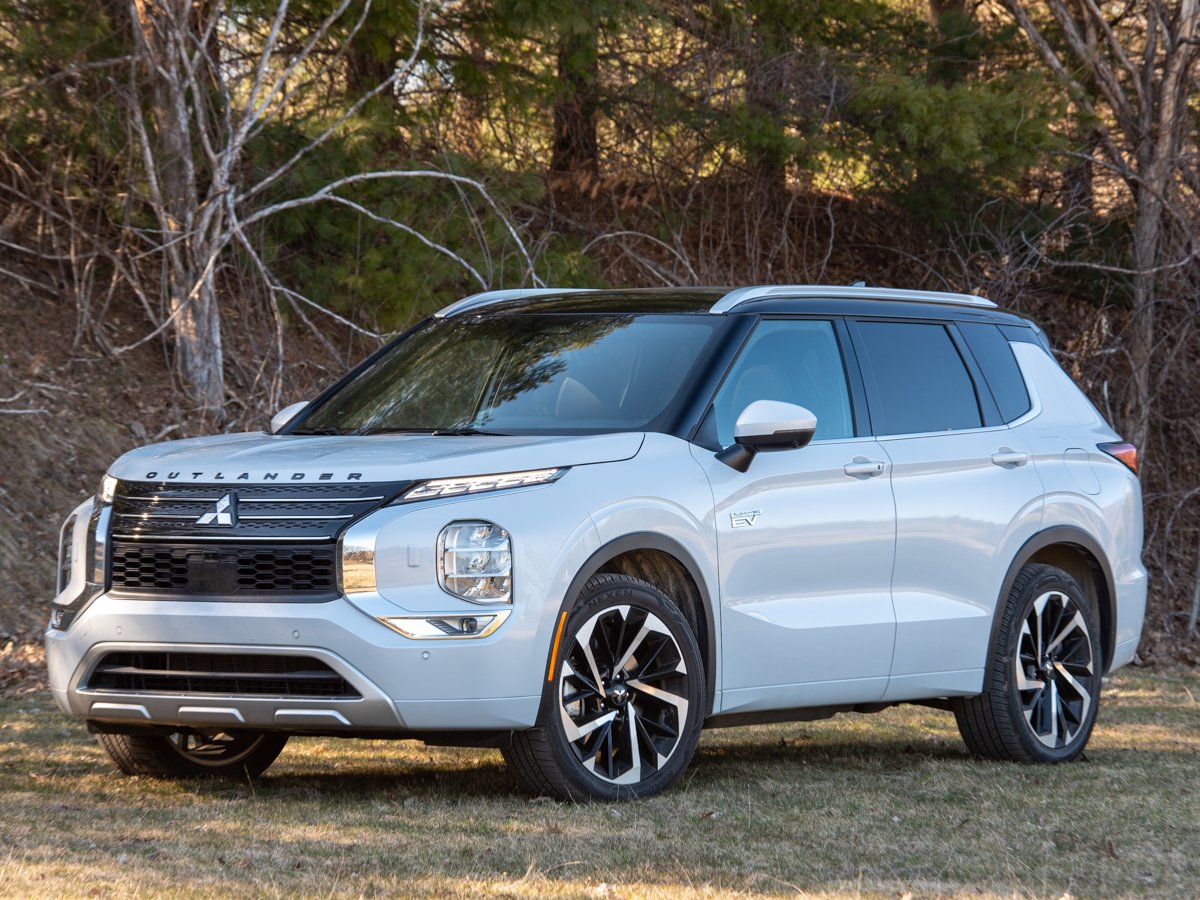
Photo: Ryan Donovan
The Mitsubishi Outlander competes in the Compact SUV market segment. According to data collected from verified new-vehicle buyers for the JD Power 2022 Automotive Performance, Execution and Layout (APEAL) Study, 54 percent of new Mitsubishi Outlander buyers are male (vs. 51 percent for the segment), and the median age of a new Outlander buyer is 50 years (vs. 57).
As part of the APEAL Study, owners rated the Outlander in 10 primary categories. Listed below in descending order, you’ll find their preferences, from their most favorite thing about the vehicle to their least favorite:
In the 2022 APEAL Study, the Outlander ranks 4th out of 17 Compact SUV models.
In the following sections, our independent expert analyzes an Outlander PHEV SEL equipped with the following options:
The test vehicle’s price was $51,700, including the $1,445 destination charge.

Photo: Ryan Donovan
All 2023 Mitsubishi Outlander PHEVs have a 2.0-liter 4-cylinder engine paired with two electric motors. There’s a 20-kWh battery pack under the floor, and the system produces 248 hp and 332 pound-feet of torque. All-wheel drive and a single-speed transmission come standard.
The previous Mitsubishi Outlander PHEV felt like a work in progress, and the handoff between its gas and electric powertrains felt clunky at best. The automaker made improvements to the output and the refinement of the system, adding electric range and horsepower in the process. The new SUV finally feels like it has enough power to get out of its own way.
Though it won’t win a drag race any time soon, the new Outlander PHEV benefits from a generous amount of torque. The electric motors provide good grunt and surprisingly stout-feeling acceleration off the line. At the same time, the gas engine and the transition between propulsion systems are mostly quiet and smooth. Mitsubishi says it changed the powertrain calibration to allow the gas engine to shut off more frequently, and the increased drive battery size gives better electric range than before.
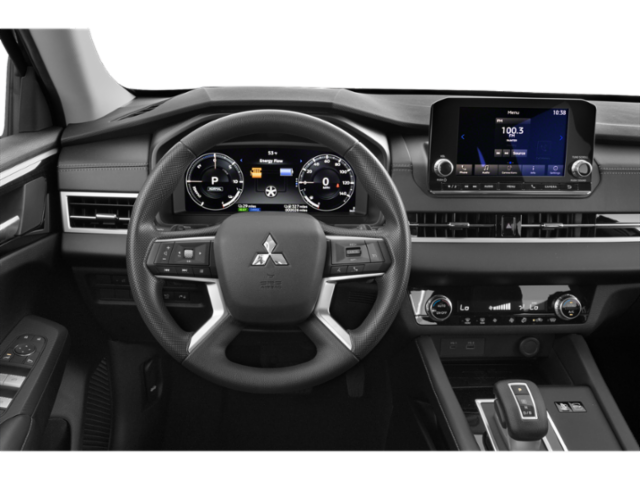
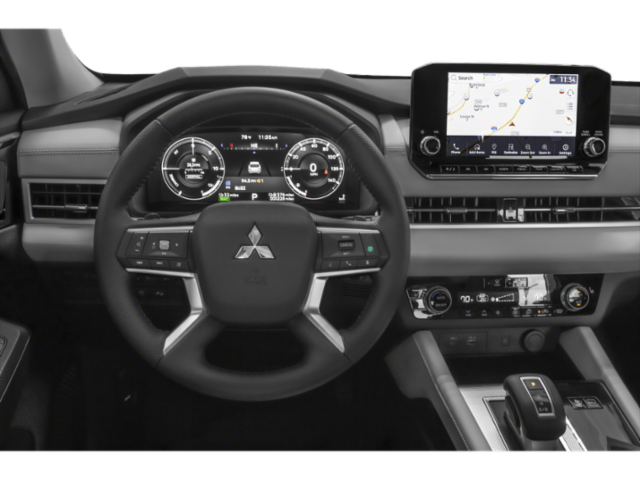
Mitsubishi equips the Outlander PHEV with seven drive modes to improve traction in different weather and road conditions. Drivers can choose between Normal, Eco, Tarmac, Gravel, Power, Snow, and Mud. Each setting changes how the electric powertrain and AWD components behave, and the interior display on the digital gauge cluster changes with each setting.
One of the most significant changes for 2023 is the move to a Nissan platform for the Outlander PHEV. Shared with the Rogue, the platform gives the SUV better handling and stability. Mitsubishi says the structure helps reduce weight and that the new setup improves structural safety with a deformation-resistant passenger compartment.
While the 2023 Outlander PHEV did not earn a Top Safety Pick rating from the Insurance Institute for Highway Safety (IIHS), the Institute has not subjected the vehicle to its full array of crash tests. The SUV earned a Good score for its headlights and Superior scores for vehicle-to-vehicle and vehicle-to-pedestrian crash prevention.
Mitsubishi equips a load of standard safety features, including automatic high-beam headlights, blind-spot warning with rear cross-traffic warning, driver monitoring system, forward-collision warning with pedestrian detection and automatic emergency braking, lane-departure warning, rear automatic emergency braking, rear parking sensors, a rear-seat reminder system, and a rear seat-belt reminder. Higher trims add adaptive cruise control with stop-and-go capability, traffic-sign recognition, and front parking sensors.
Since it shares so much with the Rogue, the Outlander PHEV’s Mi-Pilot Assist system provides the same basic functionality as Nissan’s ProPilot Assist. The system operates unobtrusively, offering easy-to-use adaptive cruise and lane-centering functions. The Level 2 autonomous driving system requires the driver’s attention and willingness to take over at all times.

Photo: Ryan Donovan
The Outlander PHEV is Mitsubishi’s flagship, and it represents the brand well. Interior finishes, quality, and overall design are lightyears ahead of the previous-generation model, and the SUV pulls off a more than decent impression of a luxury vehicle in higher trim levels.
Cloth upholstery comes standard, but synthetic, genuine, and semi-aniline leather are available. Our tester came with high-end semi-aniline leather, which brings attractive contrast stitching and an interesting color scheme. The upholstery feels deluxe and remains comfortable on longer trips. However, at more than $50,000, our SUV was missing ventilated seats—a must in warmer climates.
Interior finishes and touchpoints all feel more special than expected from Mitsubishi. The fancy stitching and designs extend to the door panels and dash, giving the cabin an upscale, exciting look and strong visual appeal. The front seats have good visibility and comfort, and the buckets offer great adjustability for passengers of different sizes. Second-row passengers get good space, but the bench seat could use more shape and support. The panoramic sunroof gives the area great light and helps make it feel more spacious, but the back seat can feel cave-like with the roof shut and in models without the glass on top.
The Outlander PHEV offers a third-row seat, which is surprising given its size. Though it gives the SUV a seating advantage over its rivals on paper, it is too small and difficult to access in regular operation. That said, it offers a couple of extra seats for kids in a pinch, making the Outlander a better option for parents than its competitors.
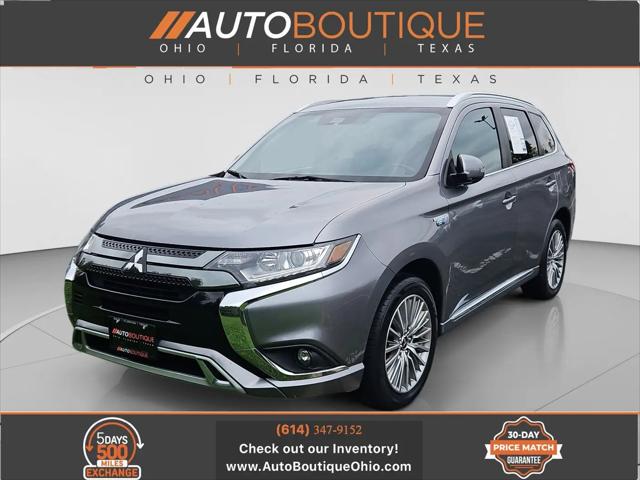
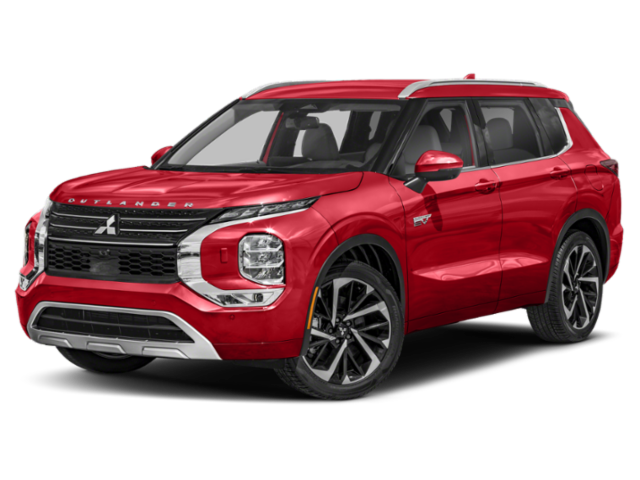
The Mitsubishi Outlander PHEV has never been a looker, and some would say the new styling is more polarizing than the previous model. Mitsubishi restyled the SUV with generous chrome and a front-end design with so much going on that it can be hard to focus on a single element. Shiny black panels flank the grille, and the headlights are set lower in the front fascia. Sharply shaped LED running lights cap off the front-end look.
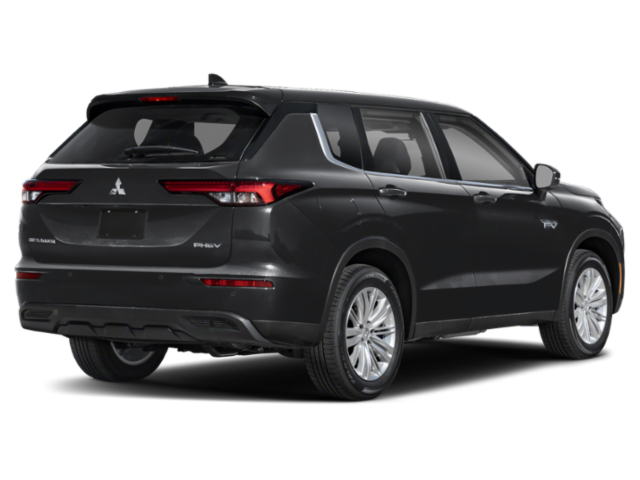
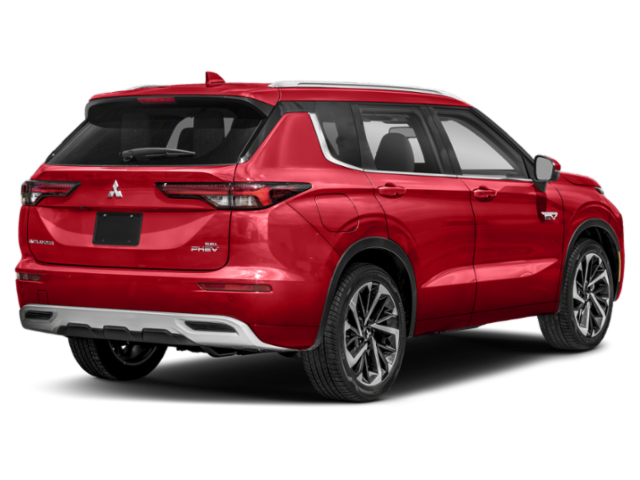
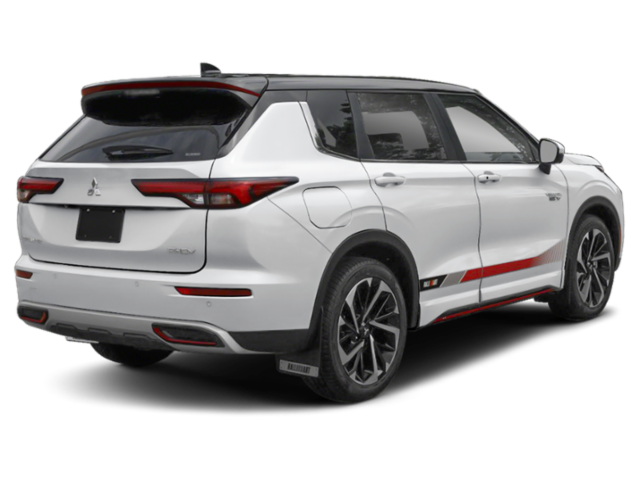
The good news is that the PHEV’s side profile styling and rear-end look are more traditional and quite handsome. My test SUV came with the optional two-tone paint, which includes a pearly white base color and a black roof. The paint is surprisingly deep and reflects different hues depending on the light. Around the back, the PHEV features clean styling with uncluttered taillights and no outlandish shapes or features.

Photo: Ryan Donovan
It’s easy to be hard on Mitsubishi, as its models have often fallen short of expectations over the last decade or so. That said, the Outlander PHEV is likely its most important model and gets plenty of development resources. As a result, it’s an excellent example of Mitsubishi’s prowess when it has the proper support—in this case, from Nissan. The improvements in range, refinements in powertrain operation, and upscaling of the interior have made the Outlander PHEV a compelling alternative to the Korean and other Japanese hybrids of the world.
The interior finishes and design are nice enough that most people wouldn’t guess they’re from Mitsubishi, and the standard tech is strong. Those are wins in two of the most essential categories for buyers in the Outlander’s segment, making it an excellent choice for families. Though small, the third-row seat offers a pressure-relief valve for overstuffed seats and allows parents to haul their kids and a few friends occasionally.
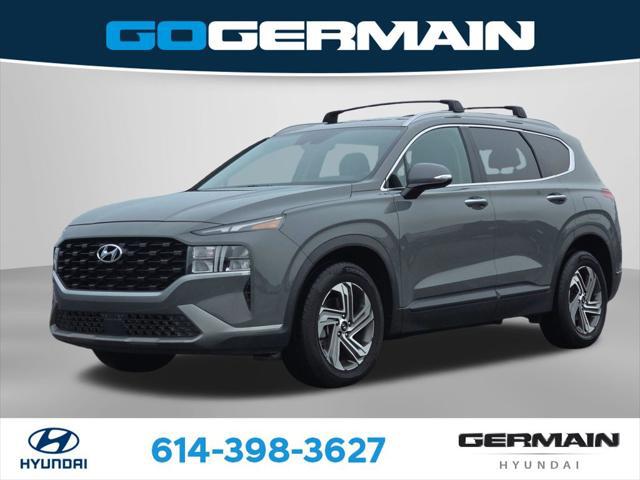
The big downside here is the price. The 2023 Mitsubishi Outlander PHEV is more expensive than the 2023 Hyundai Santa Fe PHEV, which has a slightly shorter electric range but more features and solid safety scores. The Mitsubishi is also more costly than a comparable Toyota RAV4 Prime, which offers 42 miles of electric range and a more engaging driving experience.
Ultimately, this price issue holds the SUV back and makes it hard to recommend against its competition. While it’s true that buyers can opt for lower trim levels to save money, the best and most desirable features come in higher-priced trims. Mitsubishi also holds back the most compelling interior features and design elements in higher-cost trims. While it might be possible to negotiate a lower price, the Mitsubishi could use a reduction of a few thousand dollars to be more competitive.
At the same time, the SUV is not yet eligible for federal tax credits. To be fair, most competing automakers are in the same boat, but many have announced efforts to domesticate production to become eligible. Still, the credits could go a long way to helping reduce the financial burden.
Chris Teague is an experienced writer in the automotive and technology fields. In addition to JDPower.com, his work appears at Forbes, The Drive, Your Test Driver, and others.