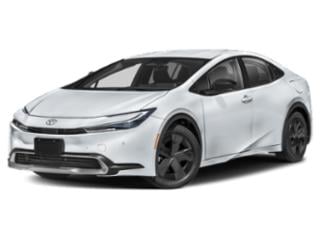
After a redesign in 2023 the Prius Prime rolls into 2024 with minimal changes.
SelectBrowse Listings

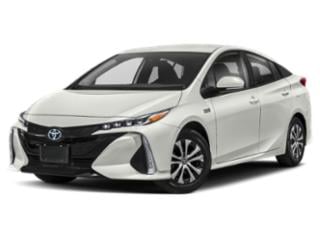
The Prius enters 2021 with relatively minor changes. A new 20th Anniversary Edition is available while the Prius Prime gets updates to the safety features.
SelectBrowse Listings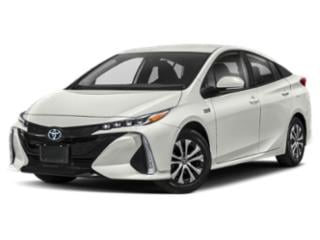
The Prius enters 2020 with relatively minor changes. Apple CarPlay and Amazon Alexa compatibility have been added as standard features for the car. Meanwhile, the Plug-in Prius Prime version now gets a 5th seat and a new black interior along with an extra USB port.
SelectBrowse Listings
The big Prius news for 2019 is that Toyota has added optional all-wheel drive to the hybrid's spec sheet. The automatic, on-demand AWD-e system has no center differential and does not need a rear driveshaft; the system instead uses an electric magnet-less rear motor capable of powering the rear wheels up to 43 mph. Toyota says the Prius AWD-e will still return 52 mpg in the city and 48 mpg on the highway. Additionally, all Prius models receive mild exterior styling changes, and trim names have changed, from the previous numerical designations, to L Eco, LE, XLE and Limited. Only the LE and XLE trims will offer the AWD-e option.
SelectBrowse Listings
Toyota has essentially left the standard Prius alone for 2018. It continues to be a great pick for anyone who needs a mid-sized car, but wants fantastic fuel mileage. The Prius C gets a few mild updates and cars now include Toyota's Safety Sense C, and a backup camera as standard equipment.
SelectBrowse Listings
The Toyota Prius was totally redesigned for 2016. It carries over this year largely unchanged, though a new plug-in hybrid variant, the Prius Prime, replaces the previous model. The Prime differs in looks from the standard Prius, and it pairs the excellent 1.8L four found across the Prius range with a new 8.8 kWh battery pack. Toyota claims a total gas/electric range of 600 miles, with a battery-only range of up to 22 miles. A full charge takes less than six hours. The Prime will debut later in the model year.
SelectBrowse ListingsToyota Prices & Values: Many Toyota vehicles are manufactured in the U.S., in Alabama, Indiana, Kentucky, Mississippi and Toyota's TX plant. Toyota earned its reputation for reliable vehicles, including the Camry, Highlander, Corolla, Avalon and Tundra -- and the newest model, the Toyota Avalon hybrid. Toyota has taken the role as the number one car manufacturer in the world and is also a leader in the hybrid vehicle market -- w/ the Toyota Prius. See all Toyota prices below or browse the latest Toyota deals.
See the latest and greatest features of the newly redesigned cars, trucks and SUVs headed to a dealer near you. Search by car manufacturer or specific models to get an in-depth preview of the latest tech, specs, features and photos for the latest model year.