
1 of 12
View All
Mileage
10,775
Checkered Flag Motors
2332 Broadway, Everett, WA, 98201Vehicle Basics
MPG City/Hwy
No data
Drivetrain
Four Wheel Drive
Transmission
Manual
Mileage
10,775
Exterior Color
Red
Interior Color
Black
Fuel Type
Gas
Engine
4 Cylinder Engine
Stock
16168
Know before you buy!
Get a Vehicle History Report
Seller's Notes
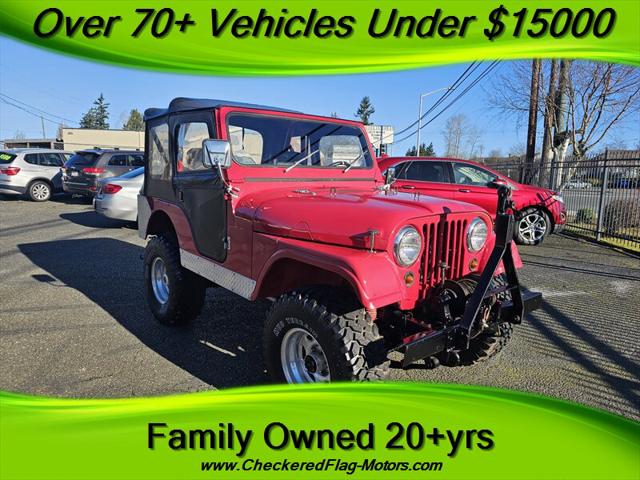
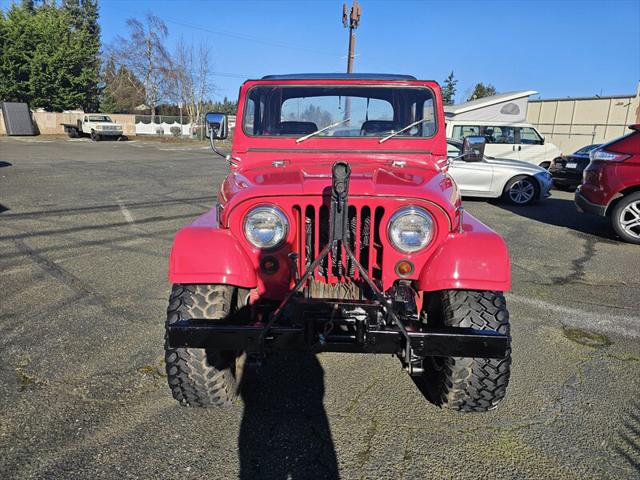
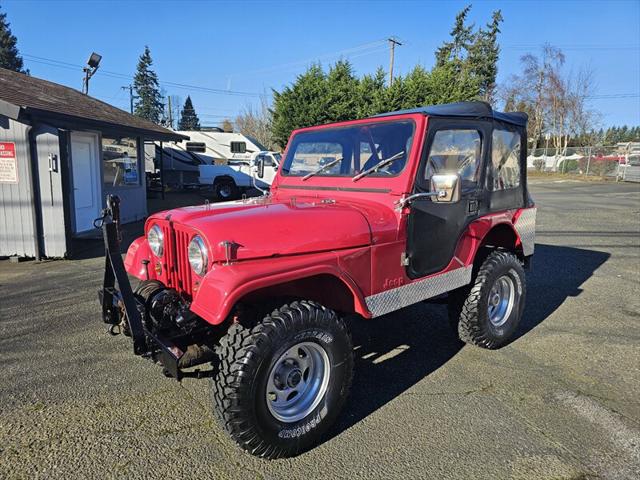
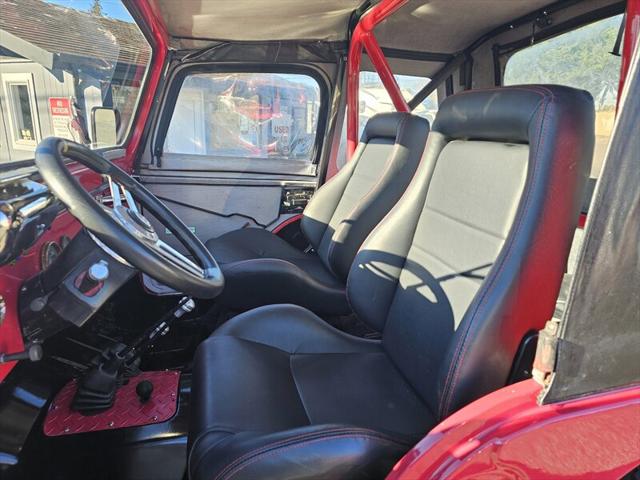
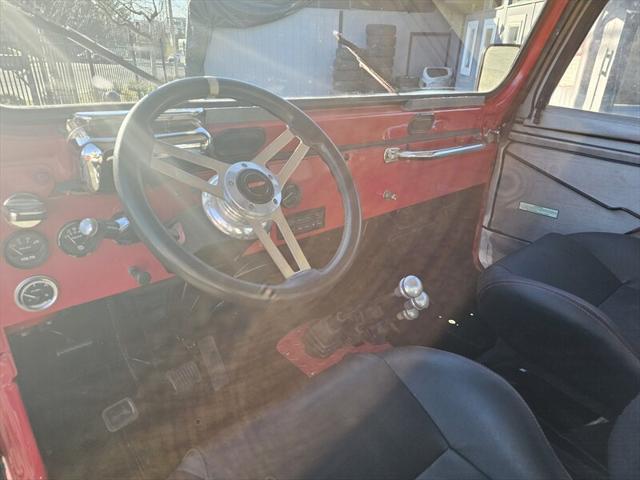
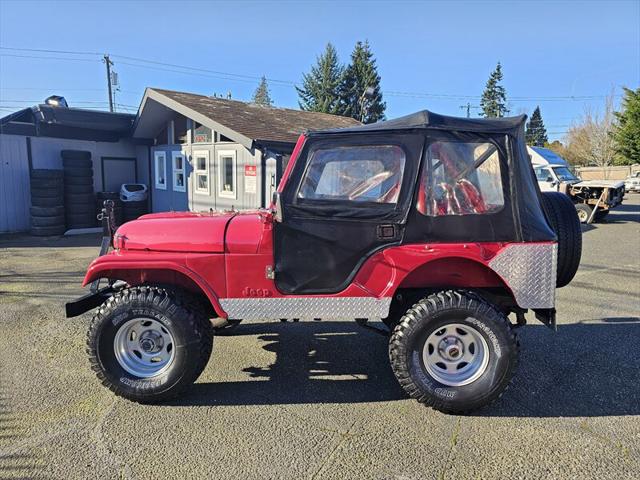
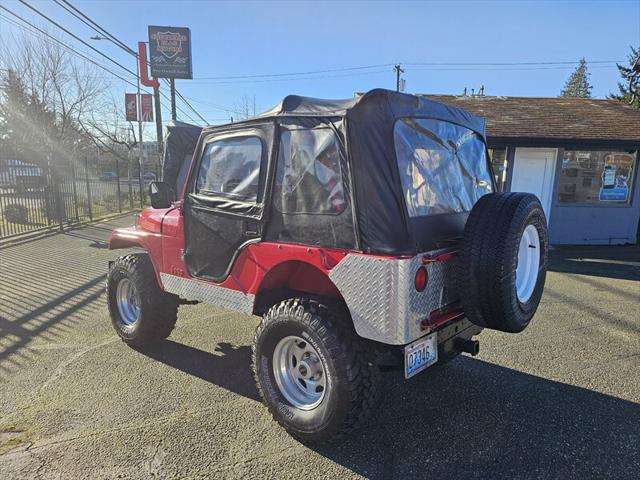
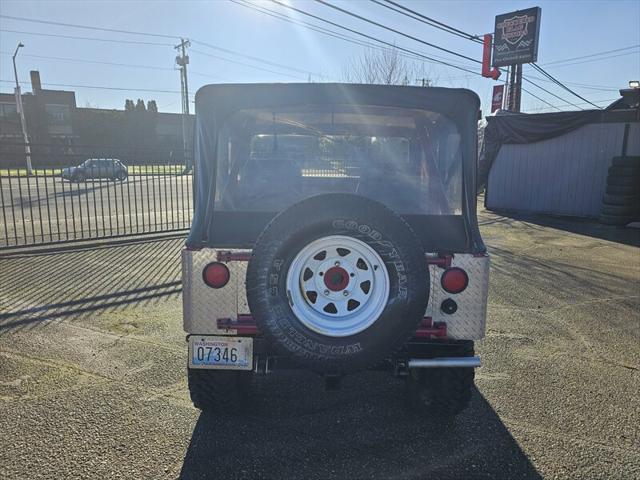
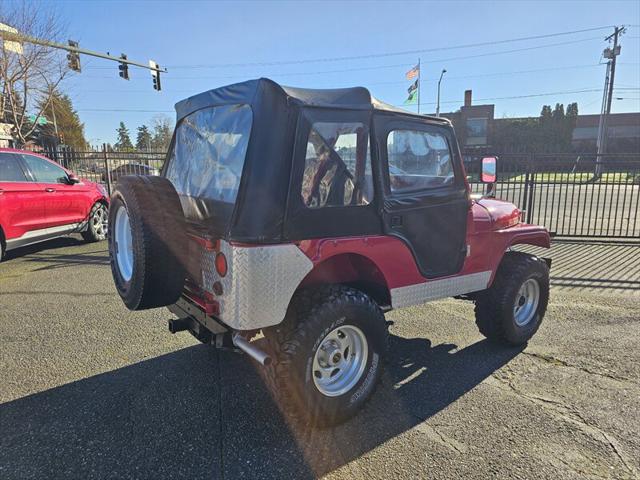
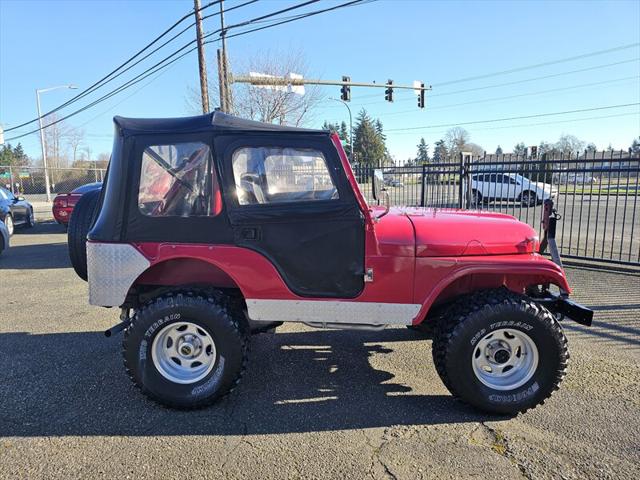
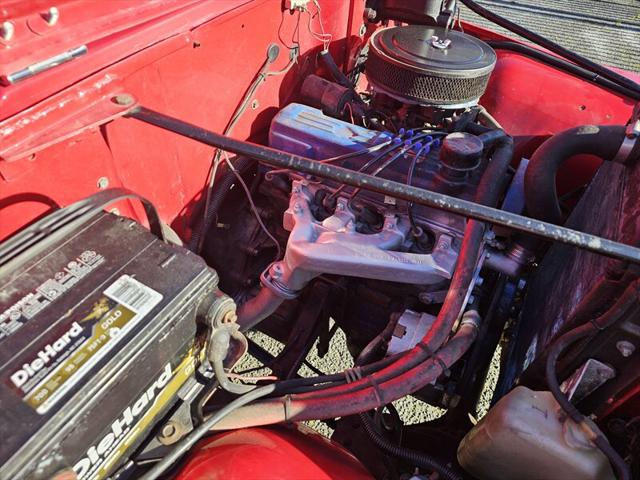
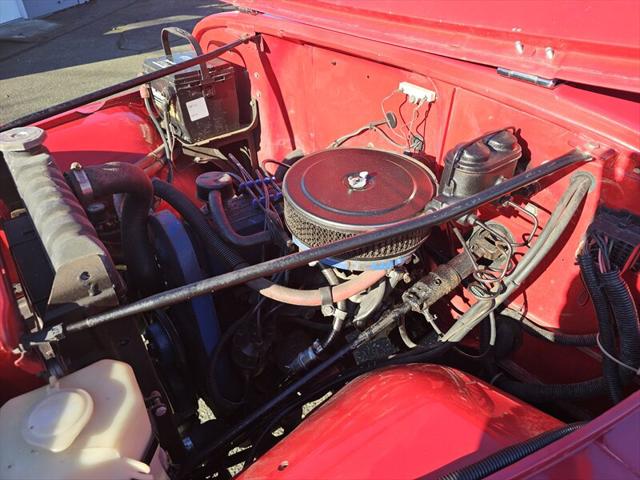
1962 Jeep Willys CJ-5 factory configuration and standard features The 1962 Willys CJ-5 was built as a compact, utilitarian off-road vehicle with a simple, rugged design. Below is a summary of the factory default features and equipment as delivered from the factory. Powertrain and drivetrain - Engine: Standard four-cylinder Hurricane F-134 overhead-valve/flathead hybrid (F-head) design. The powerplant was tuned for low-end torque and durability suitable for agricultural and off-road use. - Transmission: Three-speed manual transmission as standard, with conventional manual clutch operation. - Transfer case/4WD: Two-range transfer case providing high and low gearing and manual engagement of four-wheel drive. 4WD was engaged manually; front axle engagement was by manual hubs on most factory configurations. - Driveline layout: Rear-wheel drive with selectable four-wheel drive; power delivered through conventional driveshafts to solid front and rear axles. Chassis, suspension and steering - Frame: Ladder-type steel frame designed for durability and ease of repair. - Suspension: Solid live axles front and rear mounted on multi-leaf springs. Suspension tuning focused on load-carrying and off-road traction rather than ride refinement. - Steering: Manual steering using a conventional steering box (no factory power steering on standard models). Brakes and wheels - Brakes: Hydraulic drum brakes on all four wheels (factory standard), with mechanical parking brake. - Wheels/tires: Steel wheels with bias-ply truck/utility tires sized for the era (factory fitment typically 16-inch wheels). Full-size spare mounted externally (usually at the rear or on a rear carrier). Body and exterior - Body style: Two-door, open-top compact utility body with low-profile hood and rounded fenders. Body panels were steel with simple, flat surfaces for ease of repair. - Windshield: Fold-down flat windshield was a standard feature, allowing open-air use and easier transport. - Top options: Factory offered a removable soft top and side curtains; hardtops were available as dealer or factory options on some orders. - Lighting: 7-inch round sealed-beam headlamps and standard incandescent taillamps and signal/parking lights consistent with period equipment. - Exterior hardware: Tow hooks and simple bumpers; many vehicles left utilitarian mounting points for jerry cans, spare tires, and accessories. Interior and ergonomics - Seating: Two low-back bucket seats covered in durable vinyl were standard. The interior was sparse and functional with limited padding or insulation. - Cargo area: Small rear cargo area behind the seats suitable for gear and tools; minimal interior storage compartments. - Instrumentation: Basic instrument cluster with speedometer and essential gauges for oil pressure, engine temperature and charging/ammeter. Controls were straightforward and clearly laid out for driver access. - Heating/ventilation: Basic heater unit was available; ventilation was largely open-air or through removable top/curtains. Electrical and accessories - Electrical system: 12-volt electrical system typical for the period, powering ignition, lighting and accessories. - Accessories: Factory options and dealer-installed items commonly included a heater, radio, blackout or military lighting packages (on specialized units), mirrors, towing hardware, and different top configurations. Construction and utility - Build emphasis: Simplicity and serviceability bolt-on sheet metal, mechanical controls, and widely available replacement parts. - Intended use: Built for agriculture, recreation and light commercial use with an emphasis on off-road capability, durability and easy maintenance. Safety and comfort - Safety equipment: Minimal by modern standards no airbags, limited crash protection, and simple lap belts were typical when fitted. Comfort amenities were basic; insulation and noise suppression were minimal. Overall, the 19
1962 CJ for Sale near Columbus, OH
43215These cars are a great deal for CJ shoppers. Click below to find your next car.


Selling Your Car?
Get an online offer in 2 minutes using our Sell My Car tool.